Rent with USDC: Limits and Setup
Paying rent with USDC is technically straightforward, but the friction lies in the agreement between tenant and landlord. Before switching your lease payment method, you must verify two things: does the landlord accept direct wallet transfers, and which blockchain network do they prefer? Sending USDC to the wrong network—such as sending Ethereum-based USDC to a Solana address—will result in permanent loss of funds.
If your landlord does not hold a crypto wallet, you can use a settlement bridge service. These platforms convert your USDC into fiat currency and deposit it into the landlord’s bank account, handling the regulatory compliance behind the scenes. This approach removes the need for the landlord to understand blockchain technology, though it typically incurs a small processing fee.
The primary constraint is adoption. While USDC is widely available, few property managers have integrated direct crypto payments into their accounting systems. You may need to negotiate this change explicitly in your lease renewal or provide proof of payment reliability to ease their concerns. Always confirm the exact wallet address and network ID in writing before initiating your first transaction.
Rent USDC: Choices That Change the Plan
Paying rent with USDC removes the friction of traditional wire transfers, but it introduces a new set of variables you need to weigh against the convenience. The choice isn't just about whether you can pay; it's about whether the specific method aligns with your landlord's capabilities and your own risk tolerance.
The primary tradeoff lies between direct peer-to-peer settlement and using a regulated bridge service. Direct transfers offer the lowest fees and maximum transparency, but they require your landlord to actively manage crypto wallets and understand network selection. If your landlord lacks this infrastructure, you must rely on a third-party processor, which simplifies the process for them but introduces platform fees and settlement delays.
Direct Transfer vs. Bridge Services
The table below compares the two most common approaches for settling commercial leases in stablecoin rails.
| Feature | Direct USDC Transfer | Bridge Service |
|---|---|---|
| Fees | Network gas only | Processing fee + FX spread |
| Speed | Minutes (network dependent) | 1-3 business days |
| Landlord effort | High (wallet management) | Low (bank deposit) |
| Volatility risk | None (stablecoin) | Minimal (instant conversion) |
Network Selection and Gas Costs
Even when using USDC, you are not immune to transaction costs. The network you choose dictates both the speed and the cost of your rent payment. Ethereum mainnet offers high security but can incur significant gas fees during peak times, potentially eating into the value of a single payment. Layer-2 solutions like Base or Arbitrum offer near-instant finality for fractions of a cent, making them ideal for routine monthly settlements. Always verify which network your landlord prefers; sending USDC to the wrong network can result in permanent loss of funds.
Regulatory and Tax Implications
While USDC is pegged to the dollar, the act of moving it can trigger taxable events depending on your jurisdiction. If you acquired USDC at a different price point than its current value, selling or swapping it may realize a capital gain. Commercial lease agreements often specify "legal tender" as US dollars. Using a crypto settlement bridge ensures the landlord receives fiat, satisfying traditional contract requirements, whereas direct crypto transfers may require explicit amendment to your lease agreement to be legally binding in a default scenario.
Technical analysis of stablecoin liquidity shows that USDC maintains deep reserves on major exchanges, ensuring that large commercial payments can be settled without significant slippage. However, market conditions can shift during periods of regulatory scrutiny.
How to Pay Rent with USDC
Paying rent in USDC is straightforward if you and your landlord agree on the method. The process splits into two paths: direct wallet transfers or using a settlement bridge. Choose the approach that matches your landlord's comfort level and tax reporting needs.
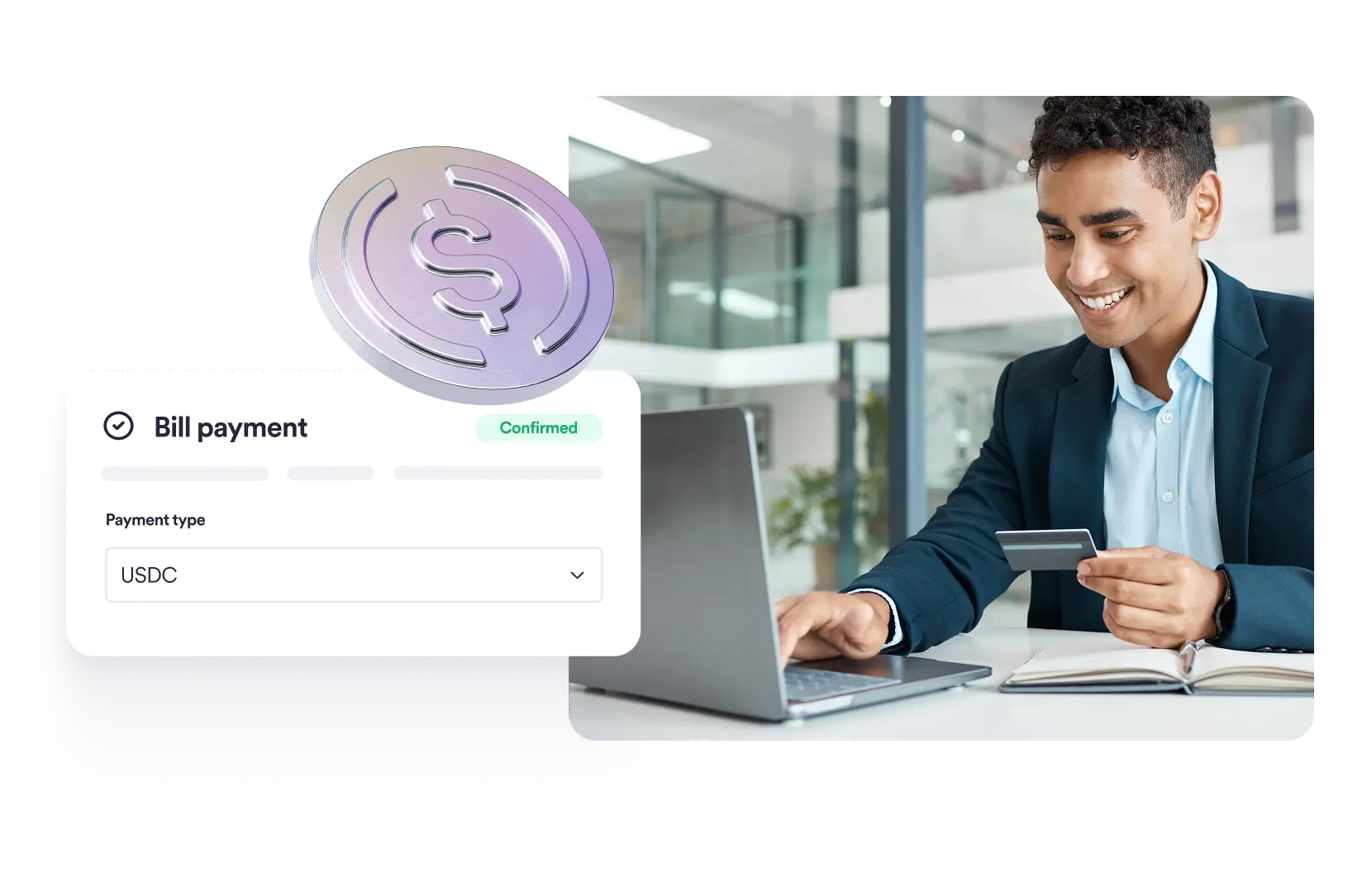
Before sending funds, ask your landlord how they prefer to receive payment. If they already use crypto, request their USDC wallet address and the preferred blockchain network (e.g., Ethereum, Polygon, or Solana). If they need USD, confirm they use a bridge service that auto-converts stablecoins to fiat for their bank account.
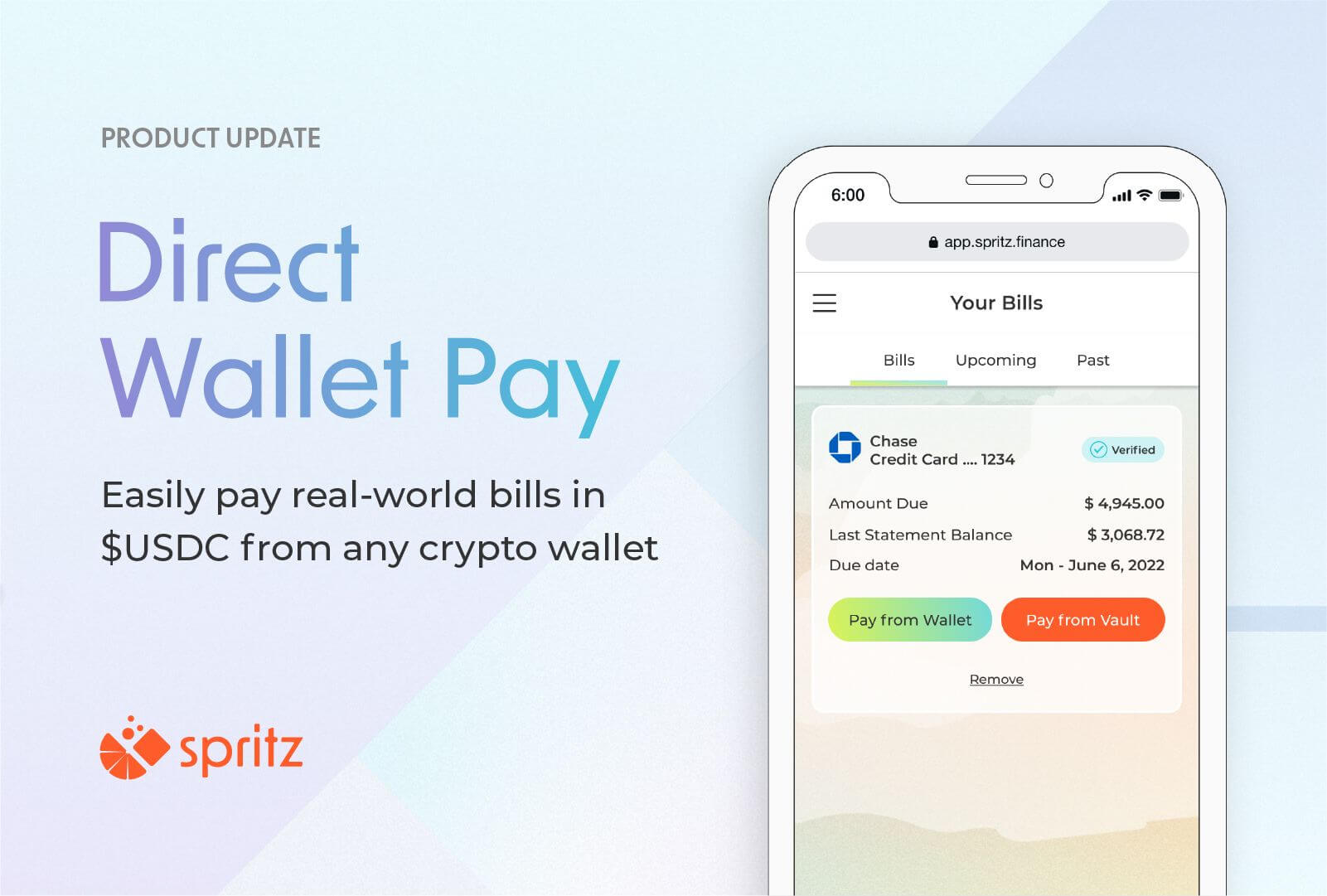
Ensure both parties are on the same blockchain. Sending USDC on Ethereum when the landlord expects Polygon will result in lost funds or high gas fees. Check the network label on the wallet address carefully. Most landlords prefer low-fee networks like Polygon or Solana for monthly rent.
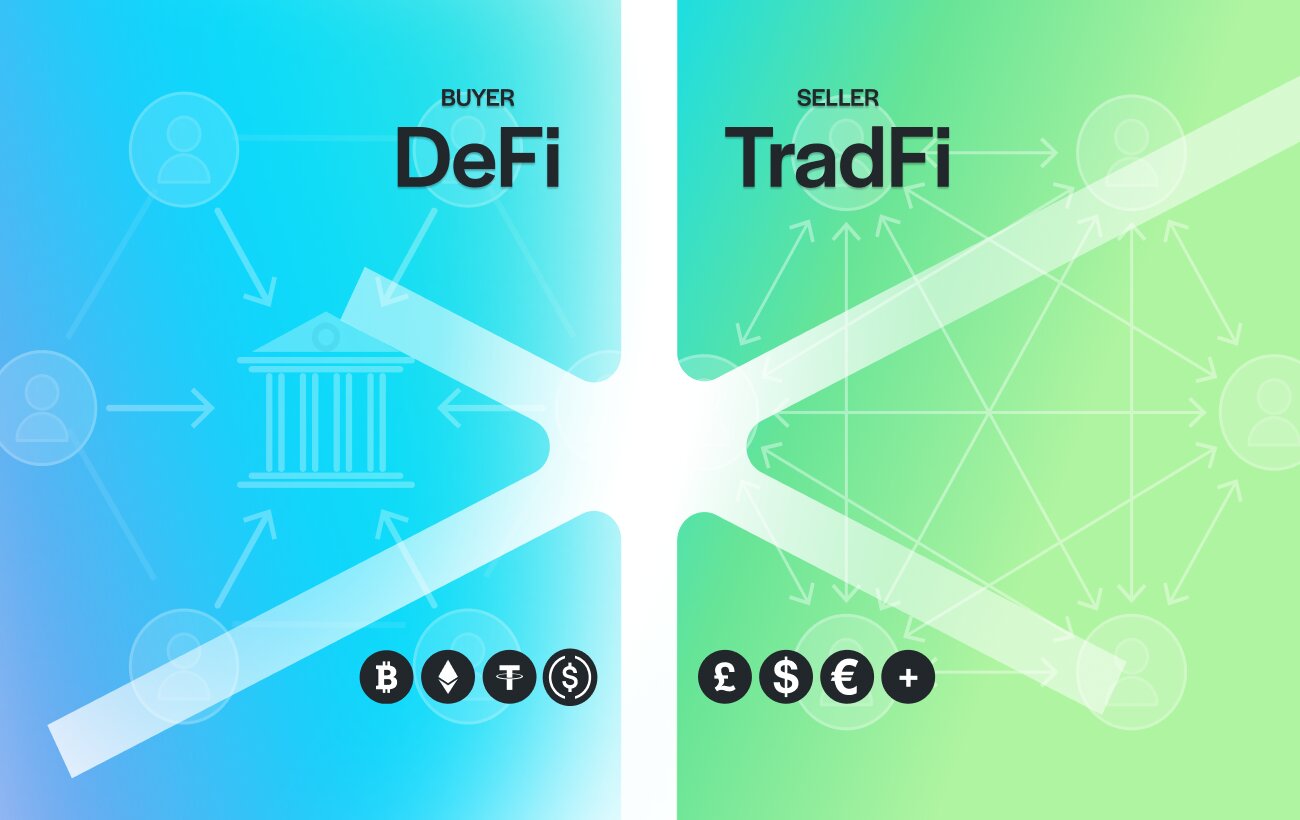
Open your self-custodial wallet or the bridge app. Enter the exact USDC amount and the recipient address. Double-check the first and last four characters of the address. Send a small test transaction if this is your first time with this landlord. Wait for blockchain confirmation before considering the payment complete.

Keep screenshots of the transaction hash and any conversion receipts. If you used a bridge, save the report showing the USD value at the time of payment. This documentation is essential for proving rent payments to landlords and for IRS tax reporting if your local jurisdiction treats crypto as property.


As an Amazon Associate, we may earn from qualifying purchases.
Watch Out for Weak Options and Misleading Claims
Not every platform promising "seamless" rent payments actually delivers. Many services advertise USDC settlements but rely on opaque third-party processors that delay fiat conversion or hide fees. Before committing, verify whether the platform settles directly to the landlord’s wallet or routes payments through a custodial bridge. Direct settlement is faster and cheaper; custodial bridges introduce counterparty risk and potential delays.
Beware of platforms that claim zero fees but charge hidden spreads on currency conversion. If your landlord needs USD but you pay in USDC, the spread can eat 1-3% of the rent amount. Always ask for the full fee breakdown, including network gas fees and any fiat conversion costs. Some services bundle these into a single "processing fee," making it hard to spot the real cost.
Another common mistake is assuming all USDC payments are equal. Not all platforms support the same networks. If your landlord uses Ethereum mainnet but the platform only supports Polygon, you’ll face unnecessary complexity or higher costs. Confirm the supported networks upfront. Also, check if the platform offers automatic tax reporting. In 2026, many jurisdictions require detailed transaction records for crypto payments. Without built-in reporting, you’ll spend hours reconciling payments manually.
Finally, avoid platforms that don’t provide clear dispute resolution mechanisms. If a payment fails or is delayed, you need a clear path to recourse. Look for services that offer customer support and transparent error handling. Without these safeguards, you’re left holding the bag if something goes wrong.
Rent with USDC: What to Check Next
Paying commercial rent with stablecoins removes traditional banking friction, but it introduces new operational questions. Here are the most common practical concerns landlords and tenants raise before switching to USDC rails.
No comments yet. Be the first to share your thoughts!