Rent usdc limits to account for
The most immediate hurdle for digital landlords is not the technology, but the willingness of the recipient to accept it. Most property managers and individual landlords operate within traditional fiat systems and have no infrastructure to handle digital assets directly. Consequently, renting with USDC often requires an intermediary or a specific setup that converts the stablecoin into spendable currency.
If a landlord accepts USDC directly, the process is straightforward but carries regulatory weight. You must verify the preferred network (such as Ethereum, Solana, or Polygon) and obtain a valid wallet address. However, this direct method exposes both parties to volatility risks if the settlement isn't instant and to compliance issues regarding anti-money laundering (AML) checks. Most landlords prefer to avoid these complexities by using platforms that auto-convert payments into fiat, effectively shielding them from the crypto ecosystem's friction.
The primary risk in this arrangement is issuer and reserve risk. USDC depends on Circle's ability to manage reserves, maintain banking relationships, and honor redemptions at par. If market participants doubt the liquidity or availability of these reserves, the token can trade below its $1.00 peg. For a landlord relying on rent for mortgage payments, even a temporary de-peg or a regulatory freeze on Circle's assets can disrupt cash flow. Therefore, the constraint is less about the transaction speed and more about the counterparty risk inherent in relying on a centralized stablecoin issuer for essential income.
Tradeoffs of Renting USDC
Using USDC for rent payments shifts the friction from currency conversion to operational compliance and counterparty risk. While the transaction costs are lower than traditional credit card processing, the structural dependencies are entirely different. Landlords and tenants must evaluate the stability of the settlement layer, the regulatory environment of the payment rail, and the liquidity required to meet fiat obligations.
Settlement and Regulatory Compliance
The primary tradeoff lies in how the payment is settled. Direct on-chain transfers are fast and cheap, but most landlords require fiat in their bank accounts. This necessitates a regulated bridge, such as those supported by MiCA-compliant processors, which introduces a layer of institutional risk. If the processor faces regulatory scrutiny or operational failure, the rent payment may be delayed, potentially triggering late fees or lease violations.
Direct wallet-to-wallet payments avoid these intermediaries but require the landlord to manage crypto custody or convert funds immediately. For property managers, this adds accounting complexity. The tradeoff is clear: using a fiat settlement bridge provides comfort and standard accounting but introduces third-party dependency. Direct transfers offer speed and lower fees but demand robust self-custody or immediate exchange integration.
Cost Structure and Liquidity
USDC eliminates the typical 2.5% to 3% processing fees associated with credit card payments, offering significant savings for high-value lease transactions. However, this benefit is contingent on network congestion and the specific blockchain used. Ethereum mainnet fees can occasionally spike, eroding the cost advantage. Layer-2 solutions or alternative chains like Solana offer cheaper alternatives but may face varying levels of liquidity and user adoption.
Liquidity is another critical factor. Tenants must ensure they hold enough USDC to cover rent without needing to sell other assets at inopportune times. For landlords, receiving USDC requires a plan to convert it to fiat for payroll, maintenance, and taxes. The tradeoff is between the lower transaction costs of crypto and the potential volatility or friction of converting digital assets into spendable currency.
Technical Comparison
The following table compares the key operational factors for different USDC rent payment methods.
| Method | Cost | Speed | Compliance | Primary Risk |
|---|---|---|---|---|
| Direct On-Chain | Low (Network Fee) | Instant | Self-Managed | Wallet Security |
| Fiat Bridge | Medium (Processing Fee) | 1-3 Days | Regulated | Processor Failure |
| Credit Card Processor | High (2-3% Fee) | 1-2 Days | Standard | Chargebacks |
Choose the next step
The Reality of USDC Renting works best as a clear sequence: define the constraint, compare the realistic options, test the tradeoff, and choose the path with the fewest hidden costs. That order keeps the advice usable instead of decorative. After each step, pause long enough to check whether the recommendation still fits the reader's actual situation. If it depends on perfect timing, unusual access, or a best-case budget, include a simpler fallback.

Spotting the Weak Links in USDC Renting
The USDC renting market is crowded with platforms promising frictionless payments, but the infrastructure varies wildly in quality. Many services market themselves as "regulated" while relying on unverified fiat bridges or opaque custody solutions. For digital landlords, the primary risk is not the token itself, but the weak links in the settlement chain. A platform might accept USDC seamlessly, but if the conversion to your local currency involves a third-party custodian with poor liquidity, you face hidden slippage and delayed access to funds.
Beware of claims that ignore the issuer risk. USDC depends on Circle’s ability to manage reserves and maintain banking relationships. If a renting platform does not clearly disclose how it handles stablecoin volatility or reserve audits, it is likely masking significant operational risk. Always verify that the platform offers direct, on-chain settlement or uses a regulated, audited fiat gateway. Avoid services that require you to hold funds in their internal wallets without clear proof of segregation. The most reliable options provide transparent fee structures and direct custody, ensuring your rent payments are not trapped in a opaque financial middleman.
Rent with usdc: what to check next
Paying rent in digital dollars is gaining traction, but it introduces specific operational and financial risks that differ from traditional banking. Understanding these trade-offs is essential for both landlords and tenants before automating payments.
What are the risks of using USDC?
The primary risk is issuer and reserve exposure. USDC depends on Circle’s ability to manage reserves and maintain banking relationships. If market participants doubt the liquidity or availability of these reserves, the token can trade below its peg. While USDC is generally considered one of the most regulated stablecoins, it is not FDIC-insured like a bank deposit.
Can I pay rent directly with USDC?
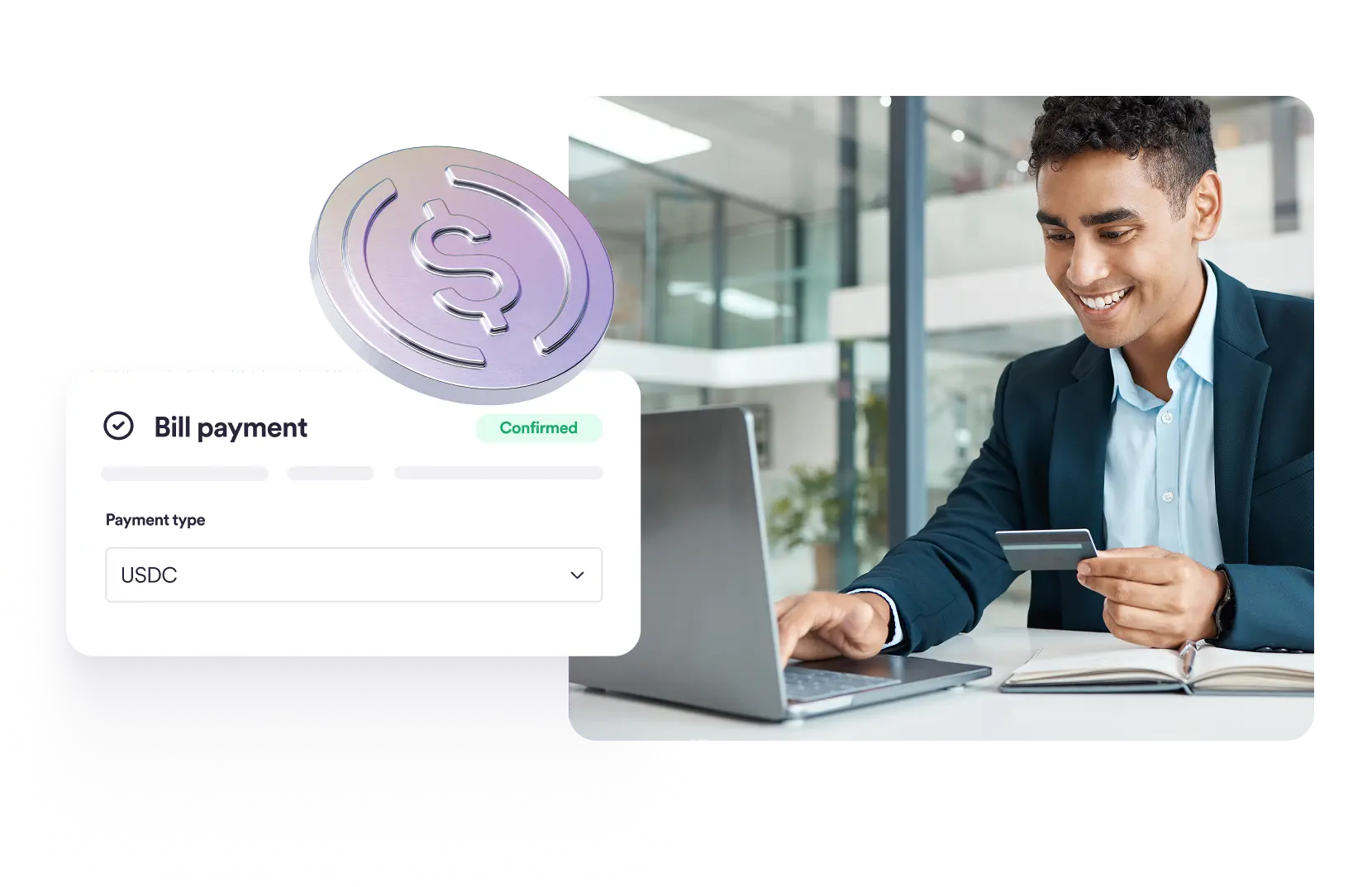
Direct payments depend entirely on your landlord’s setup. Some property managers use platforms like Rent.App or TrustLinq that allow tenants to send USDC directly to a wallet. In these cases, the platform often handles the conversion to fiat for the landlord, ensuring they receive traditional currency while you use crypto.
Are there fees for paying rent in USDC?
Network fees are typically low, especially on Layer 2 networks like Base or Arbitrum, where transactions often cost less than a cent. However, if your landlord requires a fiat settlement, third-party processors may charge a convenience fee. Always check whether the platform you use passes these costs to the tenant or the property owner.
Is paying rent in USDC tax-deductible?
Paying rent in USDC is treated the same as paying in fiat for tax purposes. The transaction itself is not a taxable event for the tenant, as you are settling a debt, not realizing capital gains. However, if you sold other crypto assets to acquire the USDC, that sale may trigger a capital gains event depending on your jurisdiction’s rules.
Helpful gear
Use these product recommendations as a starting point, then choose the size, material, and price point that fit how you actually use the gear.


As an Amazon Associate, we may earn from qualifying purchases.
No comments yet. Be the first to share your thoughts!