The shift to structured stablecoin settlement
Paying rent with cryptocurrency has moved past the experimental phase. In 2026, the focus is no longer on whether tenants can use digital assets, but on how reliably those payments settle into the traditional banking system. The friction that once made crypto rent a novelty—volatile settlement times and complex fiat on-ramps—has been largely addressed by specialized infrastructure.
The current model relies on self-custodial settlement bridges. These services act as the critical link between a tenant’s digital wallet and their landlord’s bank account. Instead of forcing landlords to manage crypto wallets or navigate regulatory gray areas, these platforms handle the conversion and compliance in the background. This approach aligns with the traditional 30% rent rule, ensuring that the payment mechanism doesn't introduce unexpected fees or delays that could strain a household's budget.
For tenants, this means using stablecoins like USDC offers a predictable, fast alternative to traditional ACH transfers, while landlords receive guaranteed fiat. The market is consolidating around providers that prioritize bank-grade settlement over speculative features. This structural shift transforms rent payment from a niche crypto use case into a standard, efficient financial utility.
Settlement rails and bridge services
Converting USDC to fiat for rent requires a bridge that settles funds into a landlord’s traditional bank account. The most effective infrastructure in 2026 relies on self-custodial settlement bridges. These services allow tenants to maintain control of their assets until the moment of transfer, reducing counterparty risk while ensuring the landlord receives usable currency.
The core challenge is regulatory compliance. Landlords must navigate anti-money laundering (AML) and know-your-customer (KYC) requirements without becoming unlicensed money transmitters themselves. Settlement providers handle the heavy lifting of compliance, acting as the intermediary that converts digital dollars into fiat while maintaining audit trails for both parties.
When evaluating these services, focus on three critical metrics: transaction speed, fee structure, and compliance robustness. A bridge that takes days to settle introduces cash flow uncertainty, while high fees erode the tenant’s savings. The right provider balances speed with regulatory safety, ensuring the transaction clears without triggering bank freezes.
| Provider Type | Settlement Speed | Fee Structure | Compliance Layer |
|---|---|---|---|
| Direct Bank Bridge | 1-3 Business Days | 1-2% per transaction | Built-in KYC/AML |
| Crypto Card Network | Instant (Virtual) | 2-3% + FX Spread | Tokenized Compliance |
| P2P Exchange | 15-60 Minutes | 0.5-1% + Spread | User-Managed KYC |
Choosing the right rail depends on your risk tolerance. Direct bank bridges offer the highest compliance certainty, making them ideal for landlords wary of regulatory scrutiny. P2P exchanges offer speed but shift more compliance responsibility to the user. Evaluate each option against your specific operational needs before committing to a settlement infrastructure.
Market tools for rent analysis
Evaluating affordability in a USDC rental market requires more than just checking the exchange rate. Tenants and landlords need to understand how settlement infrastructure interacts with traditional affordability metrics. When rent is paid in a stablecoin pegged to the US dollar, the baseline cost remains similar to fiat, but the settlement mechanics change. This shift demands new tools to track both the stability of the peg and the real cost of living.
Tracking USDC Stability
The primary risk in USDC rent is not volatility, but depegging. Even a small deviation from the $1.00 peg can impact monthly budgets for tight margins. A live technical chart of USDC/USD provides a clear view of this stability over time. For landlords, monitoring this chart ensures that the value received matches the value owed. For tenants, it confirms that their savings are not eroding due to settlement friction.
Calculating Affordability Ratios
Traditional rent analysis relies on the 30% rule, which suggests spending no more than 30% of gross income on housing. In a USDC context, this calculation must account for the net amount received after any settlement fees. If a landlord uses a platform that charges a 1% fee, the effective rent cost rises. Tenants must calculate their affordability based on the total outflow, including gas fees or platform costs, not just the headline rent price.
Using Official Payment Standards
For those in subsidized housing or using government vouchers, payment standards are set by local housing authorities. These standards act as a ceiling for what a landlord can accept from a voucher holder. In a USDC market, these standards remain fixed in fiat terms, but the settlement must be precise. Tools like the DC Housing Authority payment standard tables help verify if a USDC rent offer aligns with local regulatory limits. This ensures that digital settlements do not inadvertently violate housing compliance rules.
Adopting USDC for Rent Payments
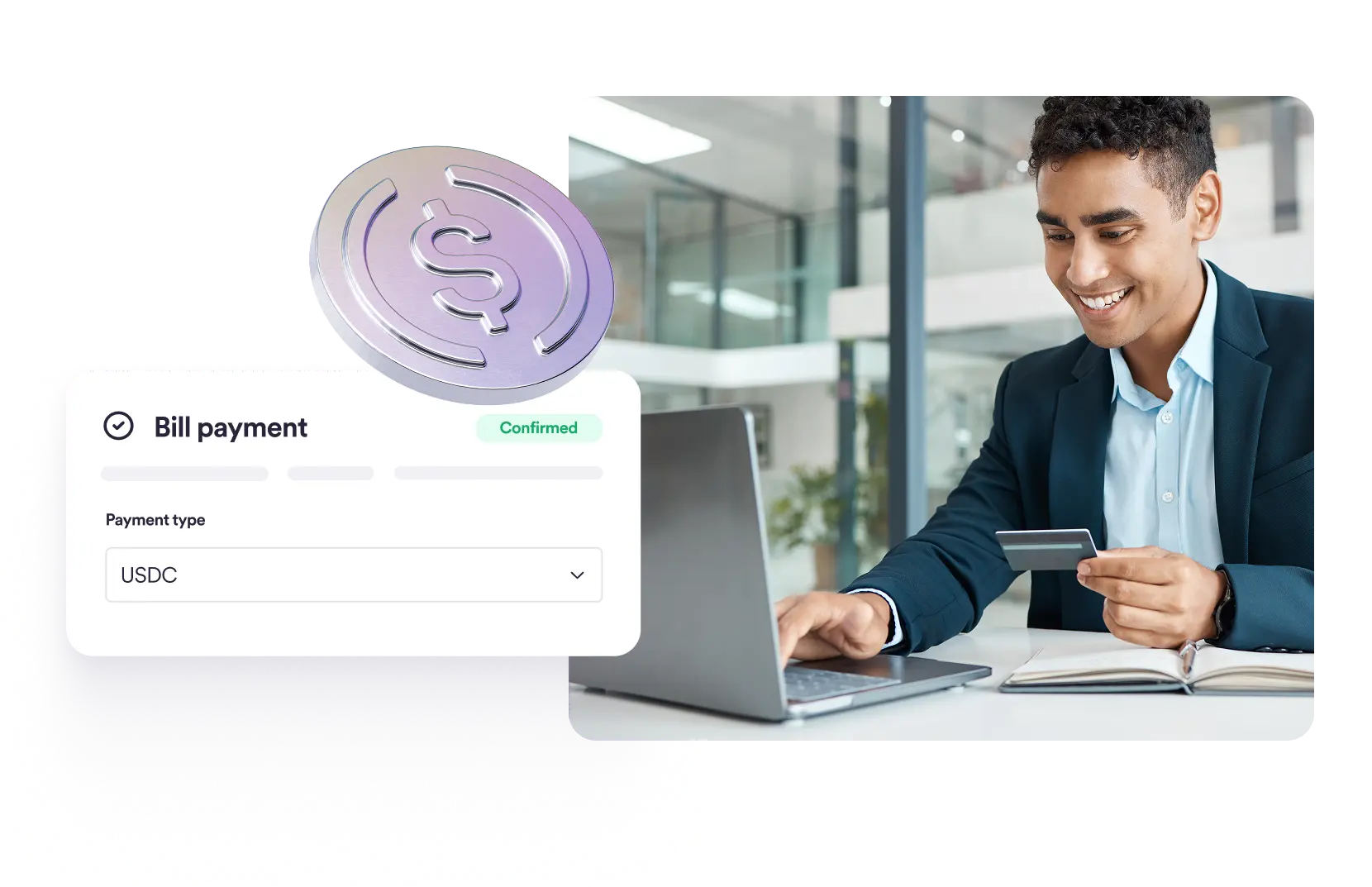
Moving rent payments to USDC requires careful planning. The strategy balances the speed of settlement against the volatility of crypto markets and the rigidity of local laws. Landlords and tenants must align on technical readiness and legal compliance before processing the first transaction.
Before adopting crypto payments, review local housing laws. Regulations like the DC Rental Act (effective January 1, 2026) may impose specific reporting or conversion requirements. Ensure that accepting digital assets does not violate existing lease terms or local rent control ordinances. Consult a legal professional to confirm that USDC payments are recognized as valid consideration for rent in your jurisdiction.
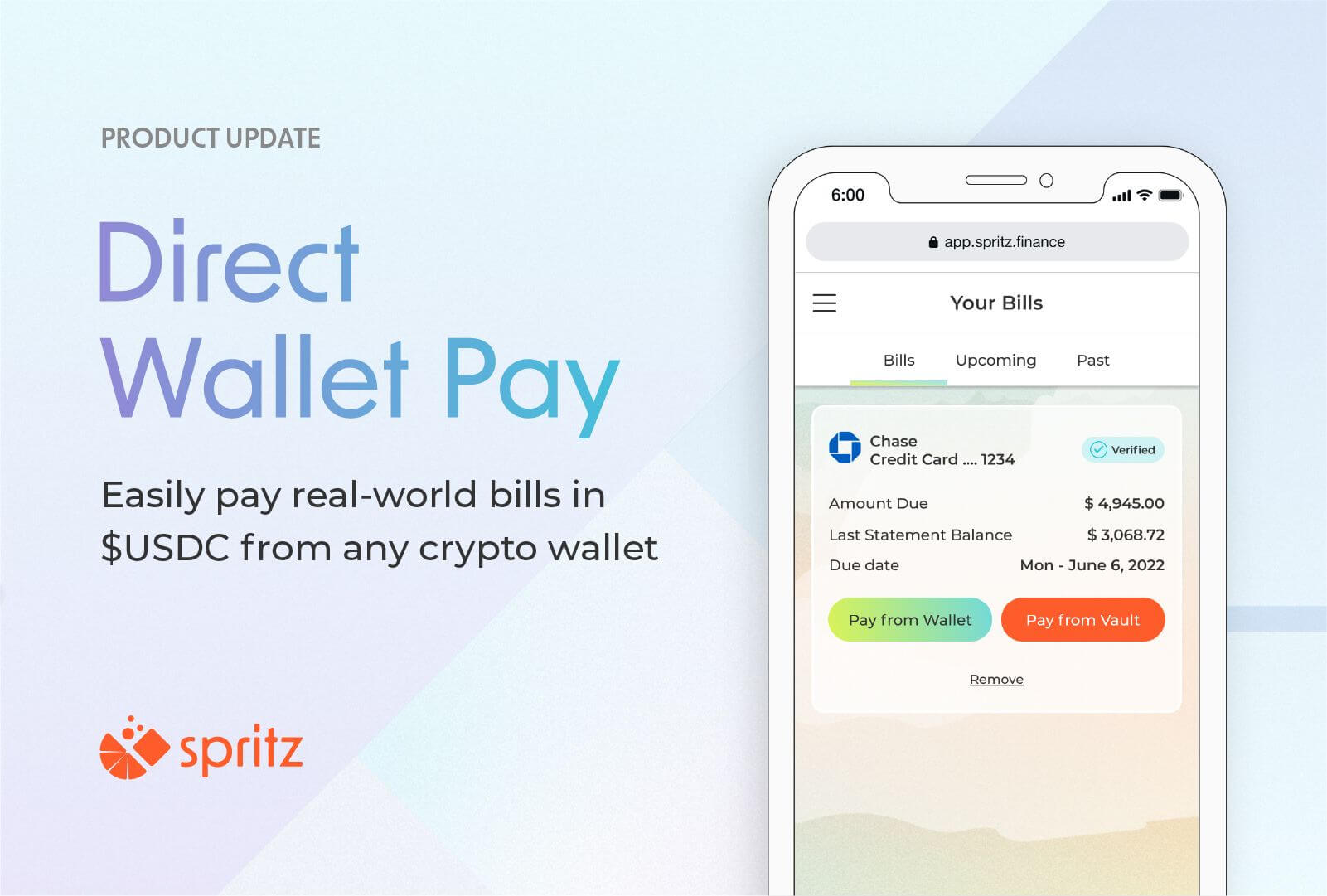
Establish separate digital wallets for incoming rent and outgoing expenses. This isolation simplifies tax reporting and prevents commingling of funds. Integrate your wallet with accounting software that tracks stablecoin transactions as fiat equivalents. This setup ensures that your bookkeeping remains accurate for audits and tax filings, treating USDC as a currency rather than a speculative asset.
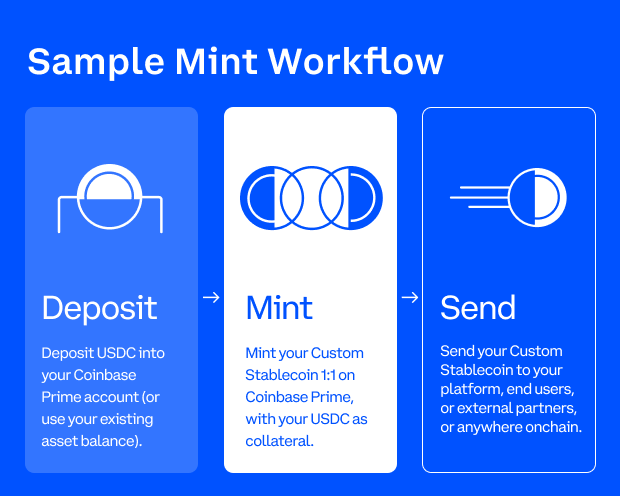
Decide whether to hold USDC or convert it to fiat immediately. Most landlords prefer immediate conversion to eliminate exchange rate risk. Use a regulated on-ramp service to swap USDC for USD automatically upon receipt. Clearly state in your lease whether the tenant bears the network gas fees or if the landlord covers them to avoid disputes over transaction costs.
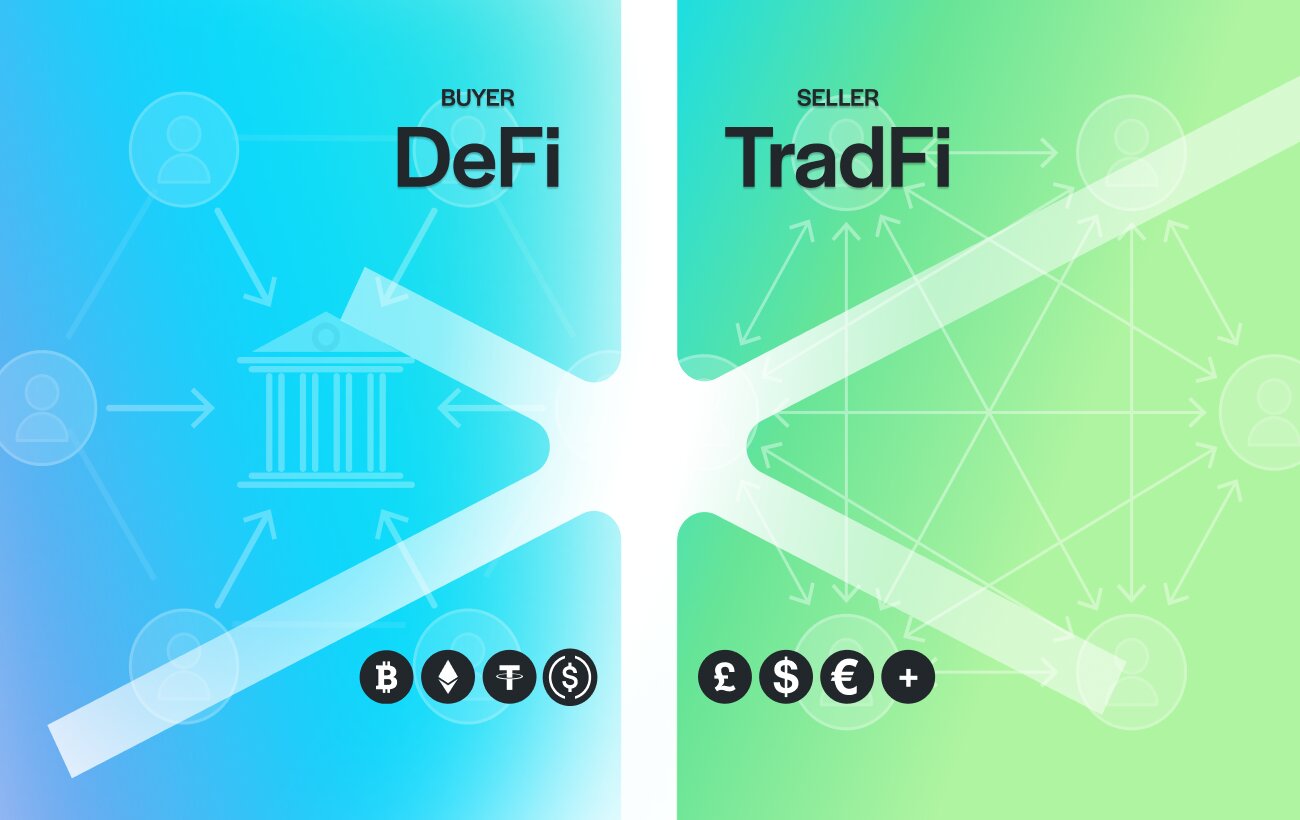
Provide clear, step-by-step instructions for making payments. Tenants need to know which network to use (e.g., Ethereum, Solana, or Base) to avoid lost funds due to chain mismatches. Offer a trial transaction before the first monthly due date. This practice builds confidence and ensures that both parties understand the technical requirements of the new payment method.

Keep an eye on network congestion and gas fees. High fees can erode the value of a single month’s rent. Use layer-2 solutions or stablecoin-specific chains to minimize costs. Regularly review your settlement strategy to ensure it remains cost-effective compared to traditional ACH or wire transfers.
Essential settlement products
Paying rent with USDC 2026 requires tools that bridge the gap between on-chain assets and traditional housing payments. Because landlords typically need fiat currency to cover mortgages and utilities, you need a reliable settlement infrastructure that converts your stablecoins into spendable dollars without excessive friction or risk.
The primary challenge is finding a service that supports direct USDC transactions. Many platforms charge high fees for other cryptocurrencies, but USDC often benefits from lower costs due to its regulatory clarity and widespread adoption. Using a self-custodial to fiat settlement bridge allows you to maintain control of your assets while ensuring the landlord receives funds in their bank account.
Recommended settlement tools
TrustLinq Crypto Payment Gateway TrustLinq offers a specialized gateway for paying rent with crypto. It acts as a bridge, allowing tenants to pay in USDC while landlords receive fiat. This service is designed to solve the largest hurdle in crypto adoption for housing: the landlord's need for traditional currency. It supports direct integration with property management software.
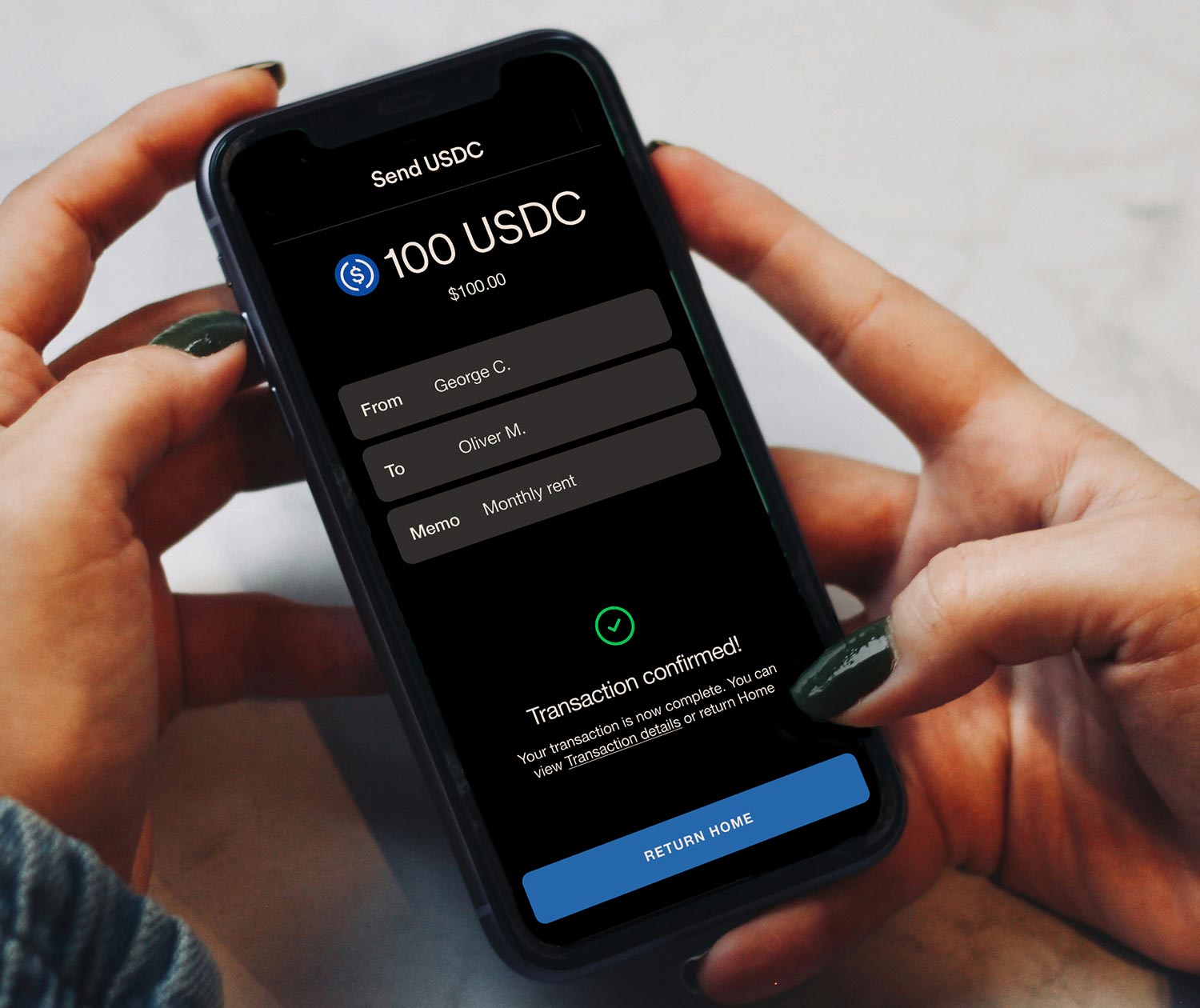
USDC Send by Circle For tenants managing their own payments, Circle’s Send platform provides a streamlined way to transfer USDC on-chain. It is particularly useful for peer-to-peer rent payments where the landlord may already hold digital assets. The platform emphasizes speed and low fees, making it a practical choice for regular monthly settlements.
Coinbase Card While not a direct rent payment tool, the Coinbase Card allows you to spend USDC like cash. Some tenants use this method to pay rent via third-party services that accept card payments, though fees can be higher than direct USDC transfers. It is a flexible backup option for those who prefer not to manage direct on-chain transactions.

![uni USB C to Ethernet Adapter, Driver Free RJ45 to USB C [Thunderbolt 3/4 Compatible], 1Gbps Type-C Gigabit Ethernet LAN Network Adapter for MacBook Pro/Air, iPhone 15 Pro/Max, Dell XPS, Galaxy S8-S24](https://m.media-amazon.com/images/I/61bq8oQDrWL._AC_UY654_QL65_.jpg)

As an Amazon Associate, we may earn from qualifying purchases.
No comments yet. Be the first to share your thoughts!