Why switch rent payments to USDC
Traditional rent payments rely on ACH transfers and wire services that move money slowly and often charge hidden fees. A Rent With USDC strategy shifts this process onto stablecoin rails, where transactions settle in minutes rather than days. This speed isn't just about convenience; it reduces the window for payment delays, missed deadlines, or administrative friction for both tenants and landlords.
The economic case for USDC is straightforward. Unlike volatile cryptocurrencies, USDC is pegged to the US dollar, maintaining a consistent $1.00 value. This stability allows renters to pay exactly what is owed without worrying about market swings between the time they initiate the transfer and the time it clears. For landlords, it means receiving full, predictable value without the risk of sudden devaluation.
Beyond speed and stability, transparency is a major advantage. Every transaction on the blockchain is recorded on a public ledger, providing an immutable proof of payment. This eliminates the need for manual reconciliation or chasing down bounced checks. While the infrastructure is still evolving, platforms like Rent.App and Trustlinq are making it possible to settle these payments directly, even for users without traditional bank accounts, bridging the gap between crypto and real-world obligations.
Building the Rent With USDC infrastructure
Setting up a Rent With USDC strategy requires aligning three moving parts: the digital wallet, the blockchain network, and the payment processor that converts crypto to fiat. Without this triad, you are holding digital assets but cannot pay a mortgage or property management company. The goal is to minimize fees and avoid the volatility that plagues other cryptocurrencies.
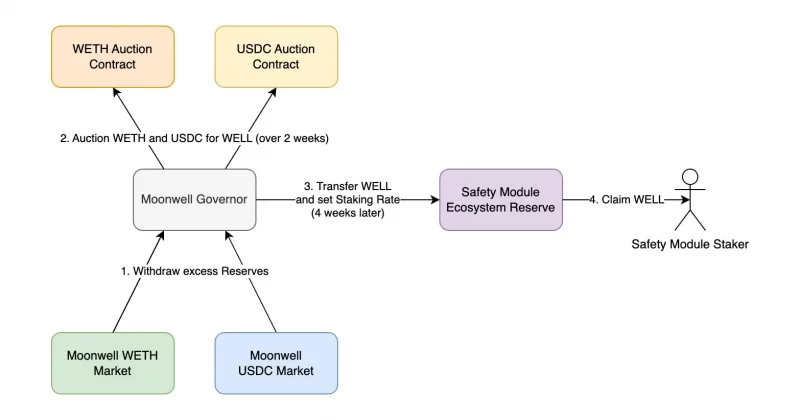
Your wallet is the gateway. For a Rent With USDC strategy, you need a self-custodial wallet that supports the specific network your landlord’s processor uses. MetaMask is the industry standard for interacting with decentralized apps, while Coinbase Wallet offers a more intuitive interface for beginners. Ensure your wallet holds a small amount of the native token (like ETH on Base or MATIC on Polygon) to cover gas fees, even if you are only sending USDC.
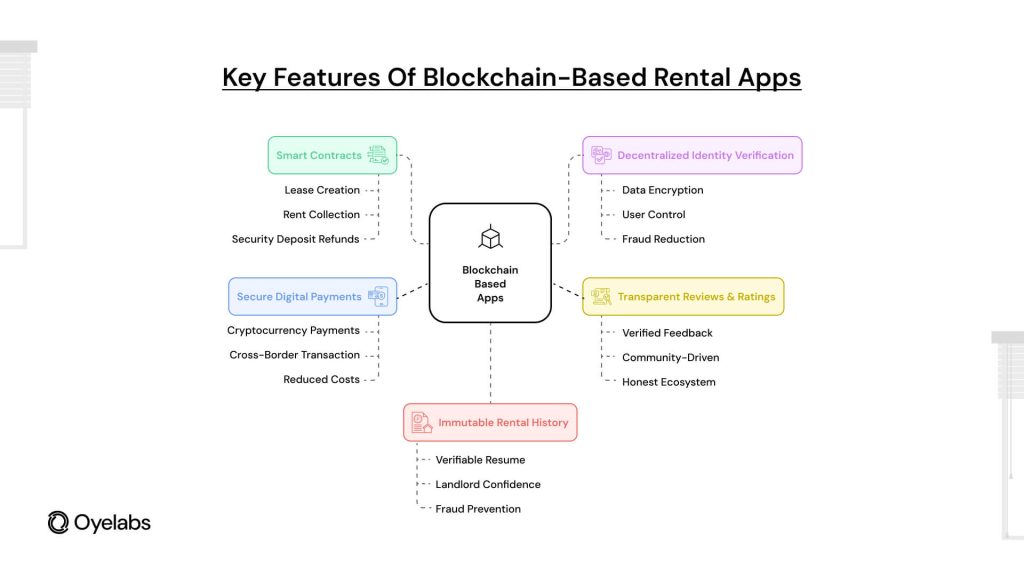
Network selection dictates speed and cost. Base is currently a popular choice for USDC transactions due to its low fees and integration with Coinbase, which many landlords already use. Polygon is another viable option for its speed and minimal transaction costs. Avoid Ethereum mainnet for rent payments unless absolutely necessary, as gas fees can sometimes exceed the rental payment itself. Always verify the network with your payment processor before initiating a transfer.
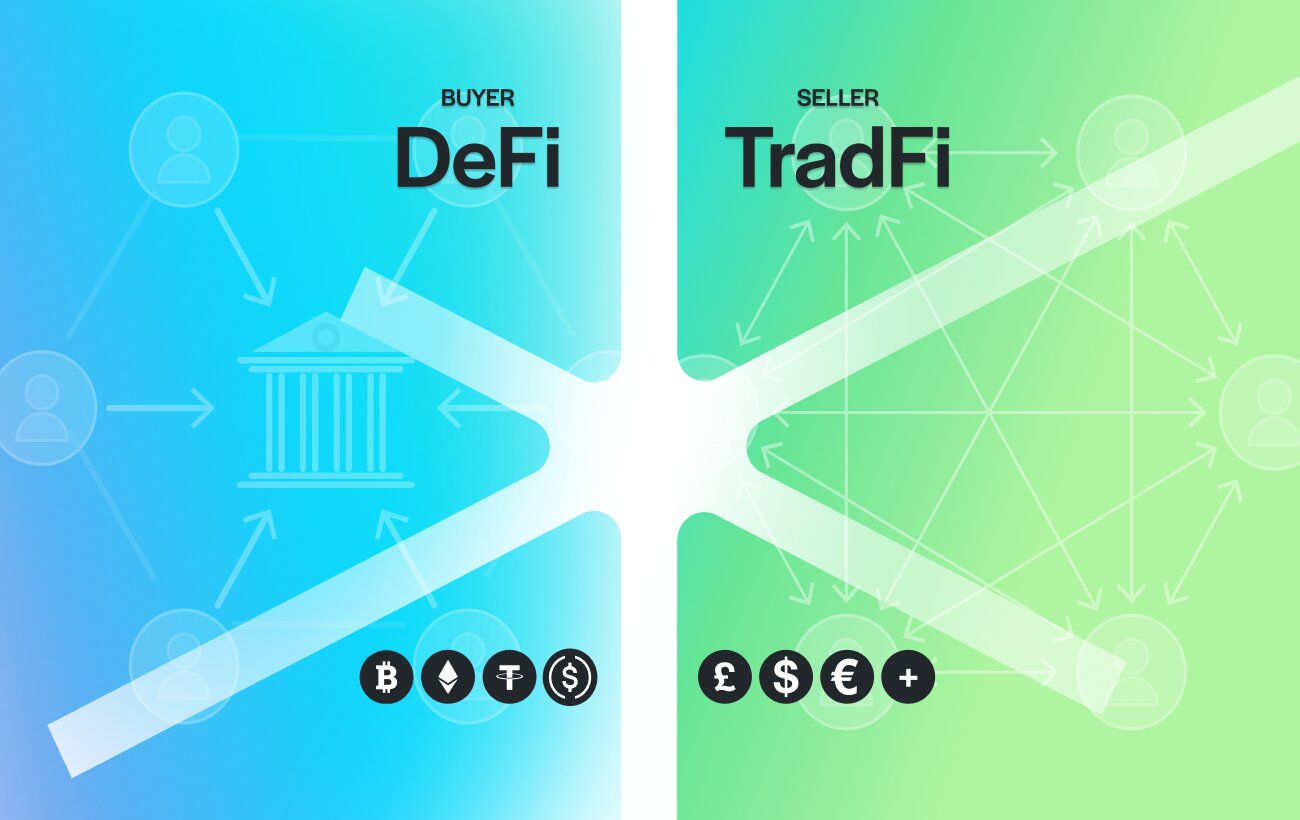
This is the most critical step for most users. Most landlords do not accept crypto directly; they need fiat currency in their bank accounts. Processors like Trustlinq or MuralPay act as the bridge. You send USDC to the processor, and they settle the payment in USD to the landlord’s bank account. Trustlinq, for example, allows tenants to pay rent with crypto even without a bank account, while MuralPay integrates with property management software to streamline the process.
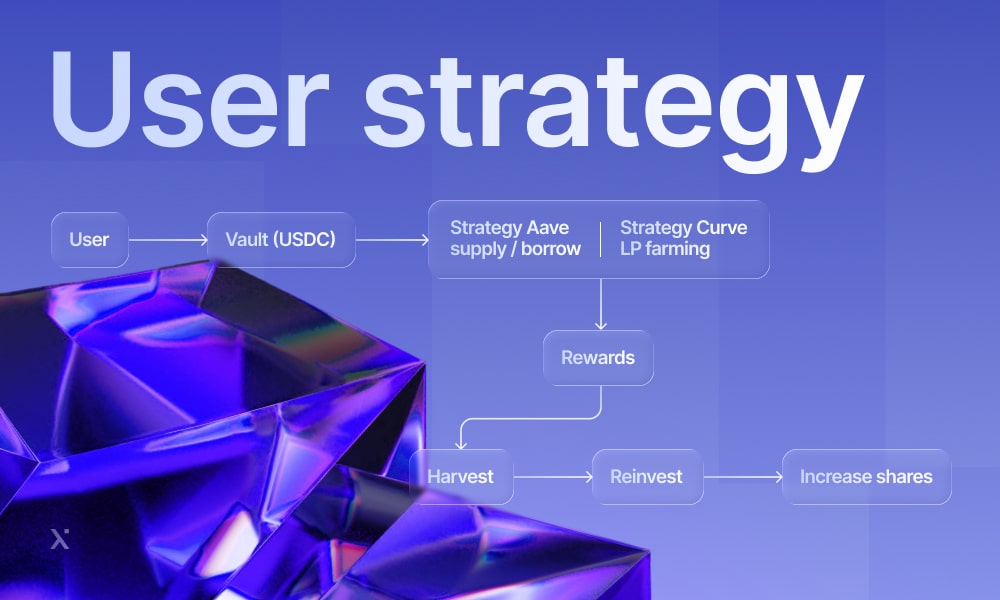
Before committing your full rent amount, send a small test amount (e.g., $10) to ensure the entire flow works. This confirms that your wallet connects correctly, the network is active, and the processor successfully converts and settles the funds. It also verifies that the landlord receives the funds in the expected timeframe. This small step prevents embarrassing delays or failed payments on the first of the month.
The USDC/USD chart above demonstrates the stability required for a reliable Rent With USDC strategy. Unlike Bitcoin or Ethereum, stablecoins are pegged to the dollar, ensuring that the value of your rent payment does not fluctuate wildly between the time you initiate the transfer and when the landlord receives it. This stability is why USDC is the preferred asset for real estate transactions on blockchain rails.


As an Amazon Associate, we may earn from qualifying purchases.
While digital infrastructure is primary, physical security matters. A hardware wallet like the Ledger Nano X provides an extra layer of security for your USDC holdings, keeping your private keys offline. Pair this with a privacy screen protector to shield your seed phrase and wallet addresses from prying eyes in public spaces. These physical tools complement your digital Rent With USDC strategy, ensuring your assets remain secure both online and offline.
How to execute the Rent With USDC strategy
Paying rent with stablecoins removes the friction of traditional banking delays and wire fees, but it requires a precise sequence to ensure the transaction settles correctly on the blockchain. This workflow guides you from funding your wallet to confirming the landlord’s receipt, ensuring clarity for non-technical users.
1. Verify the network and recipient address
Before initiating any transfer, confirm which blockchain network the landlord accepts. USDC exists on multiple chains, including Ethereum, Base, Solana, and Polygon. Sending USDC on the wrong network results in lost funds. Ask the landlord for their wallet address and the specific network (e.g., "Base" or "Polygon"). Double-check the first and last four characters of the address against your records.
2. Fund your wallet with USDC
Ensure your self-custody wallet (like MetaMask, Coinbase Wallet, or Phantom) holds enough USDC to cover the rent amount plus a small buffer for network gas fees. If you hold USDC on a centralized exchange like Coinbase or Binance, you may need to withdraw it to your personal wallet first. Note that some exchanges charge fees for stablecoin withdrawals, so factor this into your total cost.
3. Initiate the transfer
Open your wallet app and select the "Send" function for USDC. Paste the landlord’s verified address into the recipient field. Enter the exact rent amount. If you are on a network like Ethereum, check the gas fee estimate; if it is unusually high, consider switching to a Layer 2 network like Base or Polygon if the landlord accepts it, as fees are often fractions of a cent.
4. Confirm and broadcast
Review the transaction details one last time: recipient address, network, amount, and gas fee. Confirm the transaction. Your wallet will prompt you to sign it with your private key or biometric authentication. Once signed, the transaction is broadcast to the blockchain network. You will receive a transaction hash (TXID) as proof of submission.
5. Monitor the transaction status
Blockchains are public ledgers. You can track your transaction using a block explorer like Etherscan (for Ethereum), BaseScan (for Base), or Solscan (for Solana). Enter your TXID or wallet address to see the status. A "Pending" state means miners or validators are processing it. A "Success" or "Confirmed" status means the funds have arrived in the landlord’s wallet.
6. Notify the landlord and confirm receipt
Blockchain transactions are irreversible. Once confirmed, notify your landlord that payment has been sent. Provide the TXID as proof. The landlord should verify the funds in their wallet. Some landlords use property management platforms that automatically reconcile USDC payments, but for direct payments, a simple text or email confirmation closes the loop.
Common mistakes in stablecoin rent payments
Paying rent with USDC removes the friction of traditional banking, but it introduces new technical hurdles. A single error can delay your payment or result in lost funds. Understanding these pitfalls is essential for a smooth Rent With USDC strategy.
Sending on the wrong network
The most frequent error is mismatching the blockchain network. USDC exists on Ethereum, Solana, Polygon, and others. If your landlord’s wallet is on Polygon, sending USDC from Ethereum will fail or result in permanent loss. Always verify the network prefix in the wallet address before initiating the transfer.
Insufficient gas for transaction fees
Even if you are sending USDC, you must hold the native token of the network to pay for gas. Sending USDC on Ethereum requires ETH. Sending USDC on Polygon requires MATIC. If your wallet contains only USDC, the transaction will fail. Ensure you have a small buffer of the native currency to cover the network fee.
Lack of landlord confirmation
Unlike a bank transfer, crypto payments are not always instant or visible to the recipient immediately. Landlords may not check their wallets in real-time. Always share the transaction hash (TXID) with your landlord after sending. This allows them to verify the payment on the blockchain explorer and confirm receipt, preventing disputes over late rent.
Stablecoin transactions are irreversible. Double-check the recipient address and network before sending. A single typo can result in permanent loss of funds.
Landlords are starting to accept USDC
The Rent With USDC strategy is moving from niche experiments to structured adoption. Major property management firms are no longer just testing the waters; they are integrating payment rails that settle directly into traditional bank accounts. This infrastructure removes the volatility risk for landlords while allowing tenants to pay in stablecoins.
Jamestown, a large commercial and multifamily operator, partnered with BitPay to accept cryptocurrency rent payments. This setup allows tenants to pay in crypto while Jamestown receives fiat, bridging the gap between blockchain efficiency and traditional accounting. Similarly, platforms like Rent.App enable direct USDC or USDT payments with no fees, targeting users who want to bypass bank delays without exposing landlords to market swings.
Trustlinq has expanded its 2026 guide to include self-custodial options, allowing tenants without bank accounts to pay rent by converting crypto to fiat at the point of settlement. These providers form the backbone of the current Rent With USDC strategy, making it viable for both residential and commercial sectors.
| Provider | Focus | Settlement | Fees |
|---|---|---|---|
| BitPay | Commercial & Multifamily | Fiat (Bank) | Standard processing |
| Rent.App | Residential | Direct Crypto | No fees |
| Trustlinq | Unbanked & Self-Custodial | Fiat (Bank) | Varies |
By 2026, the integration of these rails suggests that Rent With USDC will become a standard option for tech-forward property managers. The focus is shifting from "if" landlords will accept crypto to "how" they will integrate it seamlessly into their existing financial workflows.
No comments yet. Be the first to share your thoughts!