Rent usdc analysis: the hidden limits to account for
Before committing to USDC for rent, you need to understand the friction points that don't show up in the headline. While the asset itself is stable, the infrastructure surrounding its use for housing payments is still fragmented. You aren't just paying rent; you're managing a bridge between traditional lease agreements and blockchain settlement layers.
The primary constraint is acceptance. Even if your landlord accepts USDC, they likely rely on a third-party processor like r3nt or a direct wallet integration. This introduces a dependency on the processor's uptime and compliance status. If the processor halts operations or faces regulatory scrutiny, your ability to pay rent on time could be compromised, regardless of your USDC balance.
Another constraint is the exit strategy. Landlords rarely want to hold volatile or even stable crypto assets long-term. They need fiat to pay mortgages, taxes, and maintenance. This means every transaction requires a reliable off-ramp. If the processor's liquidity dries up or fees spike during market stress, the cost of rent effectively increases. You must verify that the settlement path from USDC to fiat is robust and consistent.
Finally, consider the regulatory landscape. Housing laws vary by jurisdiction, and using crypto for rent may trigger tax events or reporting requirements that standard fiat payments do not. Ensure you understand the local legal implications before automating payments. The convenience of USDC is real, but it comes with operational risks that traditional banking does not carry.
Rent usdc analysis choices that change the plan
When evaluating rent USDC analysis tradeoffs, the decision usually comes down to three concrete factors: settlement speed, transaction costs, and regulatory friction. While USDC offers a stable alternative to volatile cryptocurrencies, it is not a frictionless solution for every landlord or tenant. You must weigh the efficiency of blockchain settlement against the reality of current network fees and acceptance limits.
Network fees and settlement speed
The most immediate tradeoff involves the underlying blockchain. Sending USDC on high-throughput networks like Solana or Polygon typically costs fractions of a cent and settles in seconds. This makes it ideal for monthly rent payments where speed matters. However, if you use Ethereum mainnet, gas fees can spike during congestion, sometimes exceeding the rent amount itself for smaller transactions. Always check the current gas prices before initiating a transfer.
Exchange rates and conversion friction
Landlords rarely want to hold volatile digital assets, so conversion to fiat is a critical step. Some payment processors offer instant off-ramping to bank accounts, but they charge a fee, typically between 1% and 2%. If you hold USDC directly, you avoid these fees but expose yourself to counterparty risk if the stablecoin issuer faces regulatory scrutiny. For most tenants, using a dedicated service like r3nt or a crypto debit card provides a smoother path to fiat, though these services often pass the cost on to the user.
Regulatory and tax implications
Paying rent with crypto is treated as a taxable event in many jurisdictions, including the United States. Each transaction may trigger a capital gains calculation if the USDC was acquired at a different price than its current value. Landlords must also ensure their lease agreements explicitly allow cryptocurrency payments to avoid legal ambiguities. Always consult a tax professional to understand how these transactions impact your specific financial situation.
| Factor | Benefit | Risk |
|---|---|---|
| Network Fees | Near-zero on L2s | High on Ethereum mainnet |
| Settlement | Instant finality | Reversal risks in some jurisdictions |
| Taxation | Clear audit trail | Capital gains per transaction |
| Adoption | Growing acceptance | Limited landlord options |
Turn Research Into a Decision Framework
Paying rent with USDC is no longer just a theoretical experiment. As infrastructure upgrades stabilize settlement rails, the choice shifts from "can I do this?" to "which tool fits my lease?" The following framework breaks down the practical steps to move from research to a signed agreement.
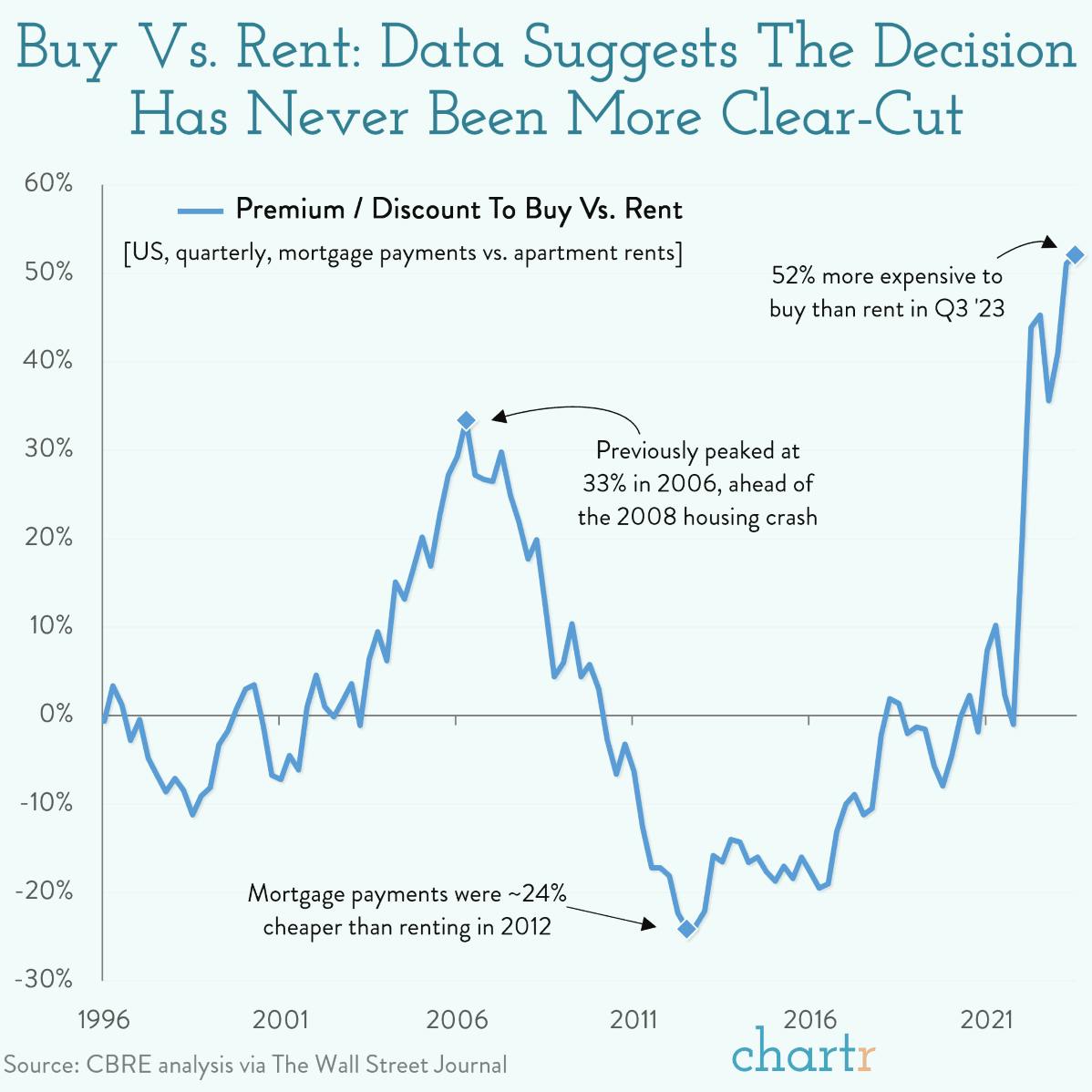
Start by confirming the landlord’s willingness to accept crypto. Most standard leases specify fiat currency only. You may need a rider or a specialized platform like r3nt that handles the conversion to fiat for the property manager. Without explicit written consent, paying in USDC could be considered a default.
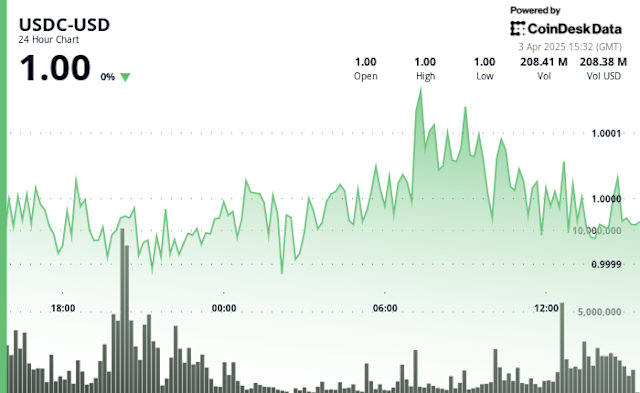
USDC is often touted for its low fees, but the total cost includes exchange spreads and network gas. Compare the fee structure of your payment processor against traditional bank transfers. If you are using a card issuer, check for foreign transaction fees or crypto cashback rates that might offset the processor’s charge.

Choose a platform that supports your specific jurisdiction and lease type. Some platforms operate only in specific regions like Singapore or the US, while others offer global settlement. Ensure the platform provides automatic receipts and tax documentation to simplify your accounting.
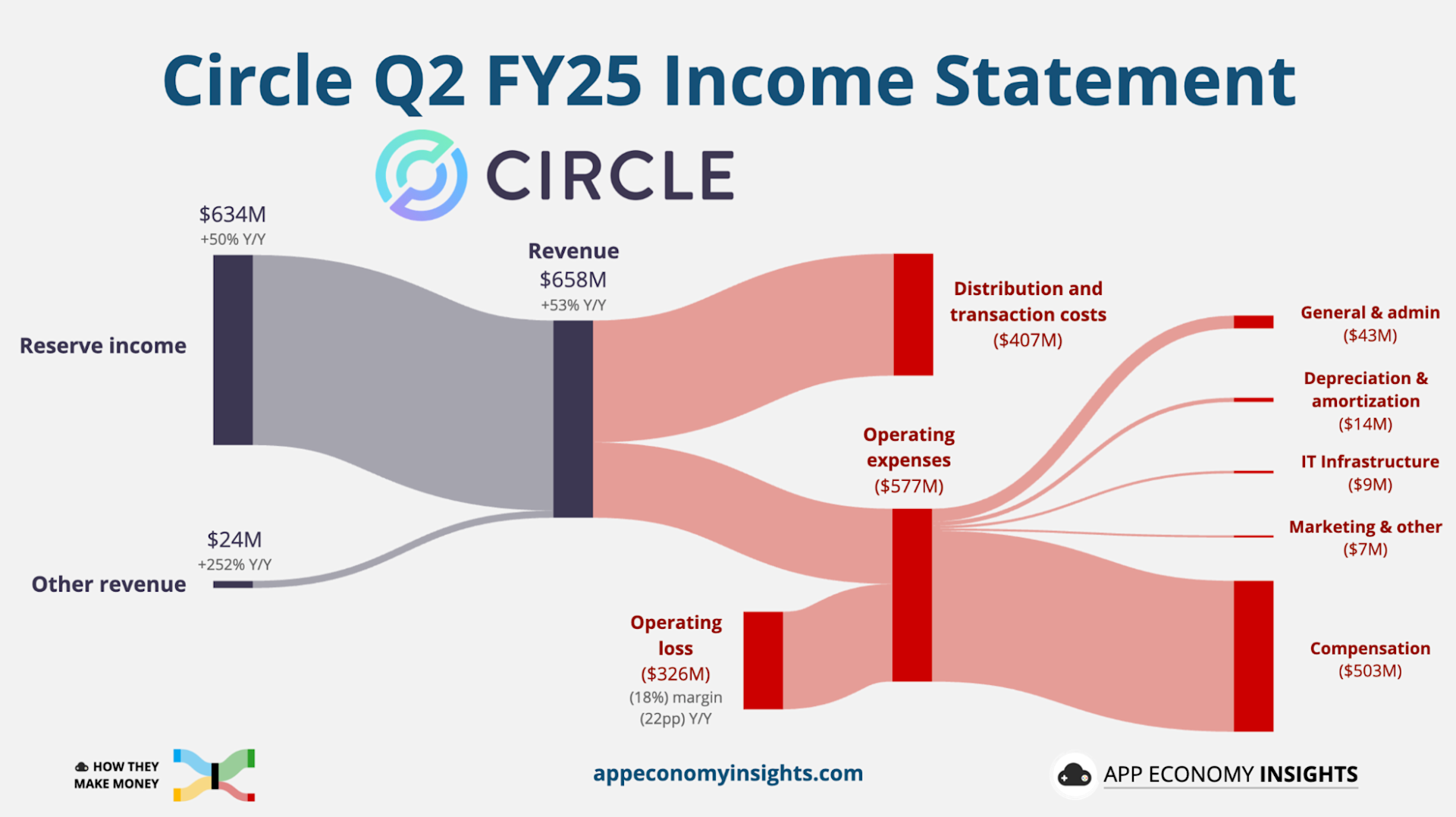
Once the lease is signed, automate the payment to avoid late fees. Link your USDC wallet or bank account to the payment processor. Set alerts for when your USDC balance is low to prevent failed transactions during market volatility or network congestion.


As an Amazon Associate, we may earn from qualifying purchases.
The transition to USDC rent is a strategic move for those seeking liquidity and speed, but it requires careful setup. By following these steps, you can ensure a smooth transition without jeopardizing your housing stability.
Watch Out for Hidden Costs and Weak Options
Renting with USDC sounds simple, but the infrastructure behind it is rarely plug-and-play. Many guides promote specific platforms without disclosing the full cost of settlement. A tenant in Singapore using r3nt might see low fees, but that model relies on specific local integrations that don't exist everywhere. If you are looking for a universal solution, you will likely hit friction.
The most common mistake is ignoring network fees. While USDC itself has no transaction fee, the underlying blockchain does. On Ethereum, gas costs can exceed the rent amount during peak hours. On Layer 2s like Base or Arbitrum, fees are lower but still variable. Always check the current gas price before initiating a transfer. A $50 rent payment can cost $10 in fees on a congested mainnet, effectively destroying your yield.
Another weak option is using credit card processors for crypto-to-fiat conversion. Some landlords prefer this for ease, but it often incurs a 2.5% to 3% processing fee. This cost is usually passed to the tenant. If you pay via direct on-chain transfer, you avoid this markup entirely. However, you must ensure the landlord has a wallet setup that can handle the volatility or immediately convert to fiat. If they cannot, they may refuse the payment or offer a discount to cover their risk.
Finally, be wary of platforms that promise "zero fees" without explaining the spread. Some services embed their profit in the exchange rate. If the rate offered is 1% worse than the market rate, you are paying that 1% indirectly. Always compare the effective rate against a major exchange like Coinbase or Binance before committing. Transparency is the only way to ensure you are actually saving money.
Rent with usdc analysis: what to check next
Paying rent with USDC is no longer theoretical. A Singapore tenant recently completed a full monthly cycle via the r3nt platform, proving the workflow is viable outside of pilot programs. However, adoption remains fragmented, and most landlords still require you to explain the process yourself.
Is USDC the best stablecoin for rent?
USDC is currently the most practical choice for rent payments because it trades without fees on major networks like Solana and Stellar. Other stablecoins often incur 2.5% or higher conversion fees when processed through credit card networks. This fee difference makes USDC significantly cheaper for both the tenant and the landlord.
Can I pay rent directly without a middleman?
Direct transfers are possible if your landlord accepts crypto, but they are not an official feature of most rental agreements. You must secure explicit written permission. Platforms like r3nt automate the compliance and receipt generation, removing the need for manual bank reconciliations on both sides.
What are the tax implications of paying rent?
Paying rent with USDC is generally treated as a taxable event in many jurisdictions because you are exchanging digital assets for a service. You may trigger capital gains tax on any appreciation of the USDC from the time you acquired it to the time of payment. Consult a tax professional to understand your local regulations before switching payment methods.
How do I handle price volatility?
USDC is a stablecoin pegged to the US dollar, so it does not suffer from the volatility of Bitcoin or Ethereum. This makes it a reliable unit of account for monthly rent. Unlike volatile assets, the amount you owe remains constant regardless of broader crypto market swings, provided you transact on a supported network.
No comments yet. Be the first to share your thoughts!