Rent usdc analysis limits to account for
The core tension in paying rent with USDC is not the token itself, but the friction of moving from blockchain to your bank account. While the on-chain transfer is instant and cheap, the off-ramp to a traditional landlord’s checking account often introduces delays or hidden costs. Most landlords do not hold crypto wallets; they need fiat currency to pay mortgages and property taxes. This creates a bottleneck where the "real-time" benefit of stablecoins disappears during the conversion process.
Current solutions fall into two categories: direct on-chain rent platforms and personal crypto cards. Platforms like r3nt allow tenants to pay directly to landlords who may then choose to hold USDC or convert it. This keeps the money on-chain but requires the landlord to be tech-savvy. Alternatively, using a crypto debit card like Coinbase Card allows tenants to spend USDC directly. As one user noted, USDC often has zero fees compared to the 2.5% fee for other coins, making it the preferred choice for daily expenses including rent if the landlord accepts card payments.
For institutional landlords, the constraint is compliance and liquidity management. They need a system that settles in fiat instantly to avoid cash flow gaps. The "real-time settlement" promise of USDC is only valid if the entire chain—from tenant wallet to landlord bank—remains liquid and compliant. Until major property management software integrates native stablecoin settlements, the friction of manual conversion remains the primary barrier to adoption.
Rent usdc analysis choices that change the plan
Adopting USDC for rent requires weighing operational simplicity against market volatility and platform dependency. While stablecoins offer near-instant settlement and lower friction than traditional wire transfers, the choice of infrastructure dictates the actual cost and risk profile for both landlords and tenants.
Settlement Speed and Finality
Blockchain settlement occurs in minutes, not days. This eliminates the 3-5 business day clearing period typical of ACH transfers or checks. For landlords, this means cash flow is predictable and immediate. Tenants benefit from avoiding late fees caused by banking delays. However, this speed is network-dependent. Ethereum mainnet transactions can take longer during congestion, while Layer 2 solutions like Base or Arbitrum offer faster finality with lower costs.
Transaction Costs (Gas Fees)
The cost to move USDC varies significantly by blockchain. Sending USDC on Ethereum mainnet can cost $2-$10 per transaction during peak times, which is prohibitive for monthly rent. Using Layer 2 networks or alternative chains like Solana or Polygon keeps fees under $0.01. Tenants must ensure they are using a low-cost network to avoid eroding the value of the payment. Always verify the network address before sending.
Platform Risk and Custody
Who holds the keys? Self-custody via a wallet like MetaMask offers full control but requires technical competence. Using a centralized exchange (CEX) like Coinbase or Kraken introduces counterparty risk; if the platform freezes withdrawals, rent cannot be paid. Some platforms, like r3nt, act as intermediaries, simplifying the process for tenants but adding a layer of trust. Landlords should evaluate whether the platform offers insurance or regulatory compliance (e.g., KYC/AML checks) to mitigate fraud.
Price Stability and Conversion
USDC is pegged to the US dollar, but temporary de-pegging events have occurred. While rare, a dip below $1.00 could result in a loss for the landlord if they hold the asset rather than converting it immediately. Many landlords use automated conversion tools to swap USDC for fiat or other stablecoins instantly. Tenants should also consider the cost of acquiring USDC; some platforms charge a 2-3% premium for instant purchases, while bank-linked purchases may be free.
| Factor | USDC (On-Chain) | Traditional Bank | Credit Card |
|---|---|---|---|
| Settlement Time | Minutes | 3-5 Days | Instant (to merchant) |
| Transaction Cost | $0.01 - $5.00 (Network Dependent) | $0 - $25 (Wire/ACH) | 1.5% - 3.5% |
| Reversibility | Irreversible | Possible (Dispute) | High (Chargeback) |
| Accessibility | Global, 24/7 | Business Hours Only | Global, 24/7 |
Liquidity and Exit Options
For landlords, receiving USDC is only useful if it can be converted to fiat for taxes, mortgage payments, or expenses. Most major exchanges support USDC-to-fiat withdrawals, but some smaller platforms may have limited liquidity or higher withdrawal fees. Landlords in jurisdictions with strict crypto regulations should verify local tax reporting requirements for receiving stablecoins as income. The ease of exit is a critical factor in the overall tradeoff analysis.
Security and Fraud Prevention
Crypto transactions are irreversible. If a tenant sends USDC to the wrong address, the funds are lost. Landlords must implement strict address verification protocols. Additionally, while USDC itself is low-risk, the wallets and platforms used to access it are vulnerable to phishing and hacking. Multi-signature wallets or institutional-grade custody solutions are recommended for high-value rental properties to mitigate single-point-of-failure risks.
How to choose a USDC rent payment platform
Institutional adoption of USDC for rent is moving from pilot programs to active deployment, but the infrastructure is fragmented. Landlords and tenants must evaluate platforms based on settlement speed, fee structures, and legal enforceability rather than speculative token performance. The following framework helps you select a solution that aligns with your operational needs.
Prioritize platforms that settle on Layer 2 networks like Base or Optimism, or stablecoin-native chains like Solana, where transaction finality occurs in seconds. Avoid platforms relying on slow Layer 1 chains if immediate rent confirmation is critical for lease enforcement. Look for explicit mentions of "instant settlement" in their technical documentation.
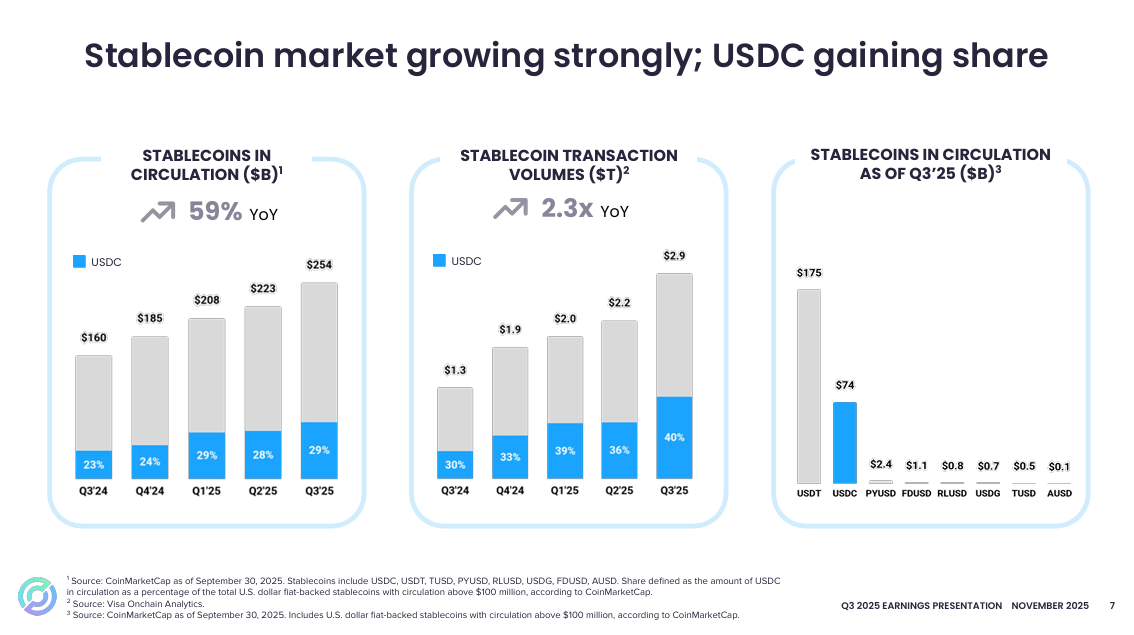
USDC transactions typically incur minimal network fees, but some platforms add service fees. Compare the total cost: a flat monthly fee versus a percentage of rent. For example, some users report zero fees for USDC transfers on certain cards, while others charge 2.5% for alternative stablecoins. Choose a platform where fees do not erode the landlord's net yield or inflate the tenant's cost.

Ensure the platform complies with local landlord-tenant laws regarding digital currency payments. Some jurisdictions require specific disclosures or limit the types of currency accepted. Verify that the platform supports KYC/AML checks for tenants to prevent fraud. Look for platforms that offer smart contract-based lease agreements for added legal clarity.

Landlords often prefer fiat currency. Choose a platform that offers seamless, low-cost conversion from USDC to fiat (USD, EUR, etc.) directly to a bank account. Some platforms allow landlords to retain USDC as an investment while automatically converting a portion for expenses. Evaluate the conversion speed and any slippage fees during the swap process.


As an Amazon Associate, we may earn from qualifying purchases.
By following these steps, you can select a USDC rent payment platform that balances efficiency, cost, and legal safety. This approach minimizes risk while leveraging the benefits of stablecoin infrastructure for real-time rent settlement.
Avoid the weak options
Use this section to make the Rent With USDC Analysis decision easier to compare in real life, not just on paper. Start with the reader's actual constraint, then separate must-have requirements from details that are merely nice to have. A practical choice should survive normal use, maintenance, timing, and budget. If a recommendation only works in an ideal situation, call that out plainly and give the reader a fallback path.
The simplest way to use this section is to write down the must-have criteria first, then compare each option against those criteria before weighing nice-to-have features.
Rent with usdc analysis: what to check next
Paying rent with USDC is gaining traction among institutional landlords who value the speed of blockchain settlement, but it raises practical questions for tenants and property managers alike. Before committing to this method, it is important to understand the technical and financial mechanics involved.
These answers highlight the core trade-offs: security and yield potential versus network fees and currency alignment. Understanding these factors helps determine if USDC rent payments fit your specific financial strategy.
No comments yet. Be the first to share your thoughts!