Why pay rent in stablecoins
Paying rent with USDC shifts the friction from the landlord to you, but the trade-off is often worth it for the economics alone. Traditional credit card payments typically incur processing fees ranging from 2% to 3%. For a $2,000 monthly rent, that is $40 to $60 disappearing into merchant processing costs. USDC transactions bypass these traditional rails, allowing you to move value with minimal overhead.
The primary advantage is cost control. Unlike volatile cryptocurrencies, USDC is pegged to the US dollar, meaning you know exactly what you are paying and what your landlord is receiving. There is no need to worry about market swings between the moment you initiate the transfer and the moment it settles. This stability eliminates the exchange rate risk that makes other crypto assets impractical for fixed-income obligations like rent.
Speed is the second major benefit. Bank transfers, especially cross-border ones, can take days to clear. USDC transactions on supported networks settle in minutes. For tenants living abroad or sending money from multiple jurisdictions, this removes the anxiety of delayed payments and potential late fees. It turns a multi-day logistical headache into a single click.
However, adoption is not yet universal. Most landlords and property management companies do not yet accept crypto directly. You may need to use a intermediary service or a card linked to your crypto wallet, which can reintroduce some fees. Before switching, verify that your specific housing situation supports this method. The savings are real, but they only materialize if the payment path is truly direct.
Settlement infrastructure options
You have two primary ways to move USDC for rent: sending it directly to your landlord’s wallet or using a service that converts it to fiat for them. The right choice depends entirely on your landlord’s comfort with digital assets and their specific banking setup.
Direct wallet-to-wallet transfer
If your landlord is already in the crypto space, a direct transfer is the most efficient path. You simply ask for their public wallet address and the preferred blockchain network (such as Ethereum, Polygon, or Solana). This method bypasses intermediaries, meaning you avoid platform fees and the conversion spread. However, this requires the landlord to have a self-custody wallet and the technical knowledge to receive and store the tokens safely.
Fiat settlement bridges
For most residential leases, landlords prefer traditional bank deposits. Fiat settlement bridges—apps like Rent.App or specialized property management platforms—handle the conversion. You pay in USDC, and the platform instantly sends equivalent USD to the landlord’s bank account. While this adds a layer of convenience and regulatory compliance (such as MiCA adherence in Europe), it introduces fees and a slight delay as the platform settles funds with its banking partners.
Comparison of payment paths
The table below outlines the practical differences between these two settlement methods. Direct transfers offer lower costs but require technical literacy, while fiat bridges provide familiarity at the expense of higher fees and processing time.
| Feature | Direct Transfer | Fiat Bridge |
|---|---|---|
| Cost | Network gas fees only | Platform fee + conversion spread |
| Speed | Instant (blockchain dependent) | 1-3 business days |
| Landlord effort | Requires wallet setup | Standard bank deposit |
| Regulatory compliance | User responsibility | Handled by platform |
| Best for | Crypto-native landlords | Traditional property managers |


As an Amazon Associate, we may earn from qualifying purchases.
How to send USDC rent
Paying rent in USDC is straightforward, but the stakes are high. One wrong network selection can mean lost funds. Follow this sequence carefully to ensure your landlord receives the payment on time and in full.
1. Confirm the landlord’s preferences
Before you send anything, verify two details: the wallet address and the network. Ask your landlord directly if they accept USDC and which blockchain they prefer. Common options include Ethereum, Polygon, or Solana. Sending USDC on the wrong network is the most common error. If they do not specify a network, ask them to confirm before proceeding.
If your landlord prefers USD, check if your payment app offers an auto-conversion feature. This service converts your USDC to fiat and deposits it into their bank account, removing the need for them to hold crypto. TrustLinq and similar settlement providers facilitate this process for landlords without crypto accounts. TrustLinq provides a 2026 guide to these bank settlement methods.
2. Check your balance and fees
Ensure your wallet holds enough USDC for the rent amount plus the network gas fee. Gas fees vary significantly by blockchain. Ethereum mainnet fees can sometimes exceed the rent amount itself during peak times. Polygon or Solana are often cheaper alternatives. Double-check that the USDC you are sending matches the network your landlord requested. Sending Ethereum-based USDC to a Polygon address will result in permanent loss.
3. Initiate the transfer
Open your crypto wallet or payment app. Paste the landlord’s wallet address carefully. Verify the first and last four characters of the address. Many wallets allow you to save frequent recipients to avoid copy-paste errors. Enter the exact rent amount. Review the network fee preview. If the fee seems unusually high, consider switching to a lower-cost network if your landlord accepts it.
4. Confirm and wait for settlement
Review all details one last time. Send the transaction. You will receive a transaction hash (TXID). Save this hash. It is your proof of payment. Settlement times vary by network. Ethereum takes minutes; Solana takes seconds. Wait for the transaction to confirm on the blockchain explorer before marking the rent as paid in your records.
5. Verify receipt and notify landlord
Check the blockchain explorer to confirm the transaction status is "Success." Share the TXID with your landlord. This allows them to verify the payment on their end. Keep a screenshot of the confirmation and the TXID in your email or rent ledger. This creates a clear audit trail in case of disputes.
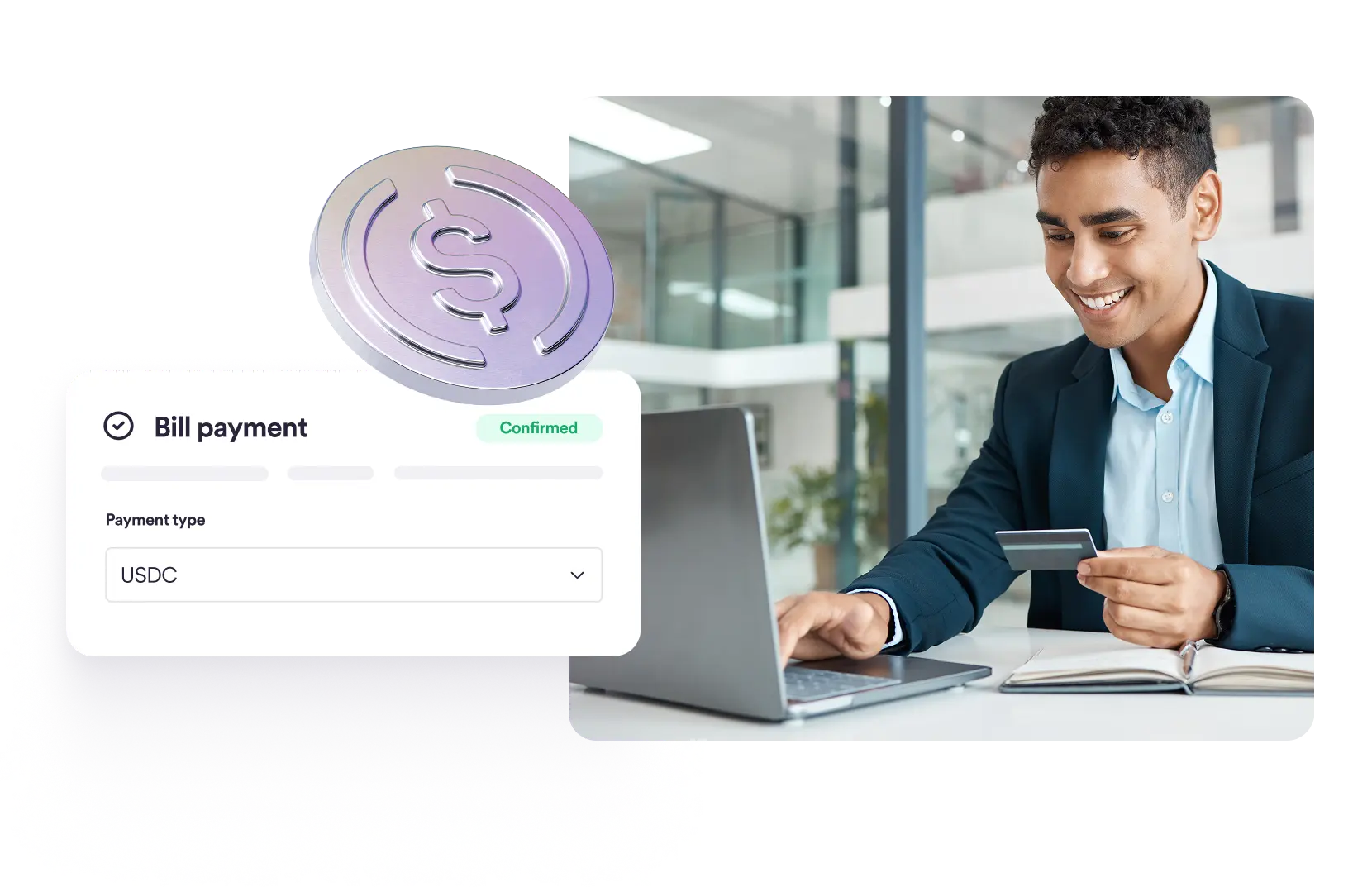
Confirm the landlord’s wallet address and the specific blockchain network (e.g., Ethereum, Polygon, Solana) they accept. Sending on the wrong network results in permanent loss.
Ensure your wallet has sufficient USDC for the rent plus network gas fees. Ethereum fees can be high; consider cheaper alternatives like Polygon if accepted.
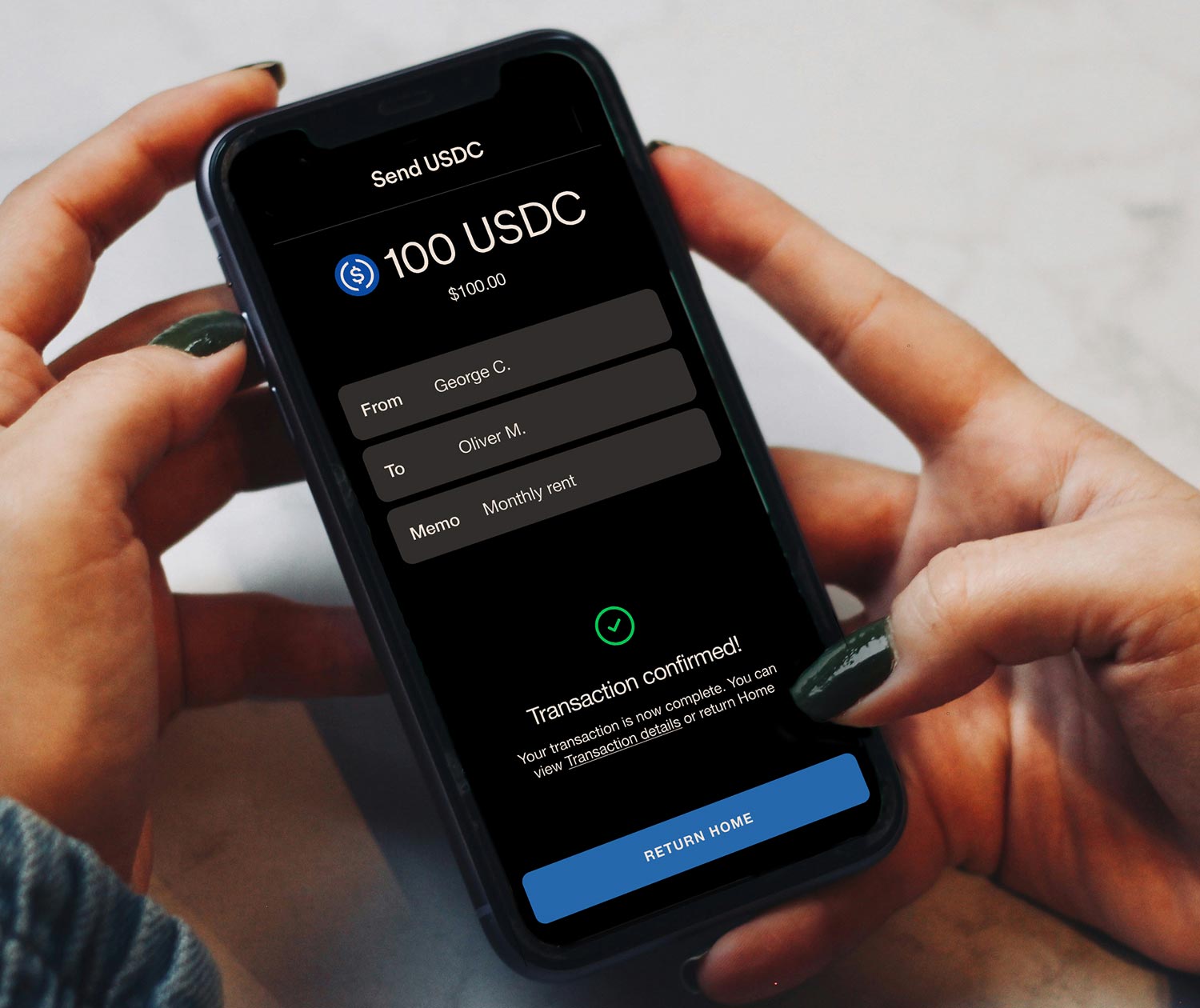
Paste the verified address, enter the rent amount, and review the fee preview. Double-check the address characters before confirming.
Wait for the transaction to settle. Save the transaction hash (TXID) as your proof of payment. Settlement times vary from seconds to minutes.

Share the TXID with your landlord and save a screenshot of the confirmation. This creates a clear audit trail for your records.
-
Confirm landlord’s preferred network and wallet address
-
Check USDC balance covers rent + gas fees
-
Verify address characters before sending
-
Save transaction hash (TXID) as proof
-
Notify landlord with TXID and confirmation screenshot
Risks and compliance checks
Paying rent with USDC introduces specific risks that differ from traditional banking. The primary concern is issuer risk. USDC depends on Circle’s ability to manage reserves, maintain banking relationships, and honor redemptions at a 1:1 ratio. If market participants doubt the liquidity or availability of these reserves, the token can trade below par, potentially affecting the value of your rent payment. To mitigate this, you should verify Circle’s reserve attestations and understand that while USDC is designed to always be redeemable for $1 USD, external factors can create temporary dislocations.
Compliance and tax implications are equally critical. In many jurisdictions, using cryptocurrency for rent is treated as a taxable event. Each transaction may trigger capital gains or losses based on the fair market value of USDC at the time of transfer. Property managers and tenants must navigate local regulations, which can vary significantly by region. Some platforms offer MiCA compliance and regulated fiat settlement bridges, but you are still responsible for reporting these transactions accurately to tax authorities. Ignoring these obligations can lead to unexpected liabilities.
Finally, consider the operational risk. Unlike ACH transfers, crypto transactions are irreversible. If you send rent to the wrong address or fall victim to a phishing scam, there is no customer service department to reverse the payment. Ensure you are using reputable platforms that offer clear audit trails and, where possible, insurance coverage for digital assets. Staying informed about regulatory changes and platform terms is not just advisable; it is essential for protecting your housing stability.
Common questions about stablecoin rent
Paying rent in USDC introduces specific technical and financial variables that differ from traditional bank transfers. Understanding these mechanics helps you avoid missed payments or unexpected fees.
What are the risks of using USDC?
The primary risk is issuer and reserve risk. USDC depends on Circle’s ability to manage reserves, maintain banking relationships, and honor redemptions. If market participants doubt the liquidity of these reserves, the token can trade below par. While USDC has historically maintained its peg, this counterparty risk remains distinct from the stability of fiat currency.
Do most landlords accept USDC directly?
Most landlords do not yet accept cryptocurrency directly. Many prefer stablecoins for their speed but require payment in fiat. In these cases, you may need a payment processor that auto-converts your USDC to dollars before sending it to the landlord. Always confirm the accepted method before initiating a transaction to avoid failed payments.
Can I automate USDC rent payments?
Yes, automation is possible if your landlord provides a wallet address. You can set up recurring transfers via your wallet or a dedicated payment app. For landlords requiring fiat, some fintech apps offer automated conversion features. Regular automation reduces the risk of forgetting a payment date, which can trigger late fees.
No comments yet. Be the first to share your thoughts!