How USDC settles real estate payments
When you hear "USDC," you might think of a faster way to send money. In real estate, it is something more fundamental: a settlement layer. Think of USDC as the digital equivalent of a cashier's check that clears instantly, rather than a wire transfer that takes days to settle. This distinction matters because it changes how capital moves between landlords, tenants, and property managers.
The infrastructure behind USDC is built for stability, not speculation. It is a stablecoin pegged 1:1 to the US dollar, meaning one USDC always equals one USDC in value. This peg is maintained through a reserve model where Circle holds equivalent assets—mostly US Treasury bills and cash in US bank accounts—to back every token in circulation. For a high-stakes transaction like rent or a security deposit, this predictability is the primary value proposition. You are not betting on price appreciation; you are using a neutral medium of exchange that mirrors the fiat standard you already trust.
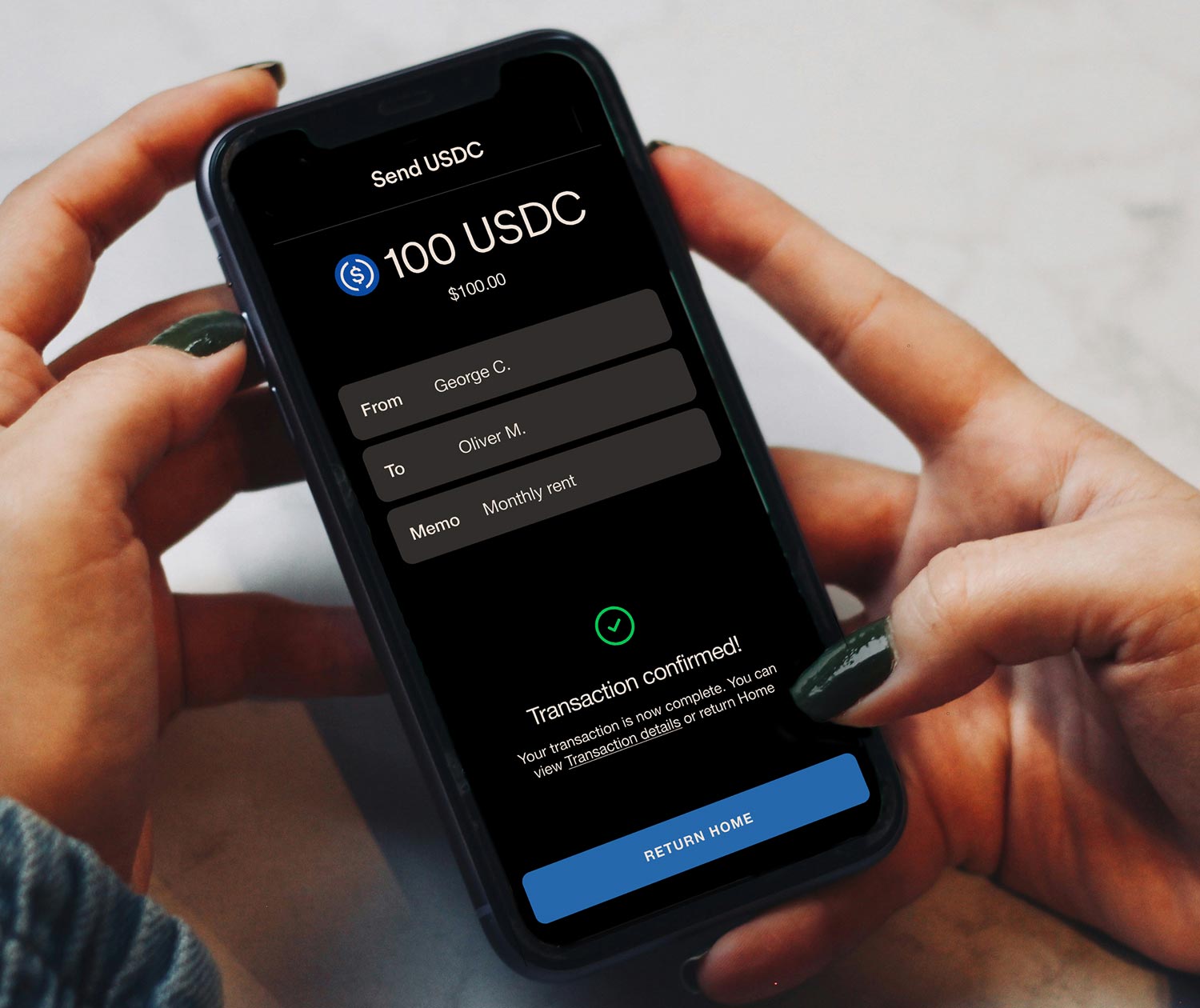
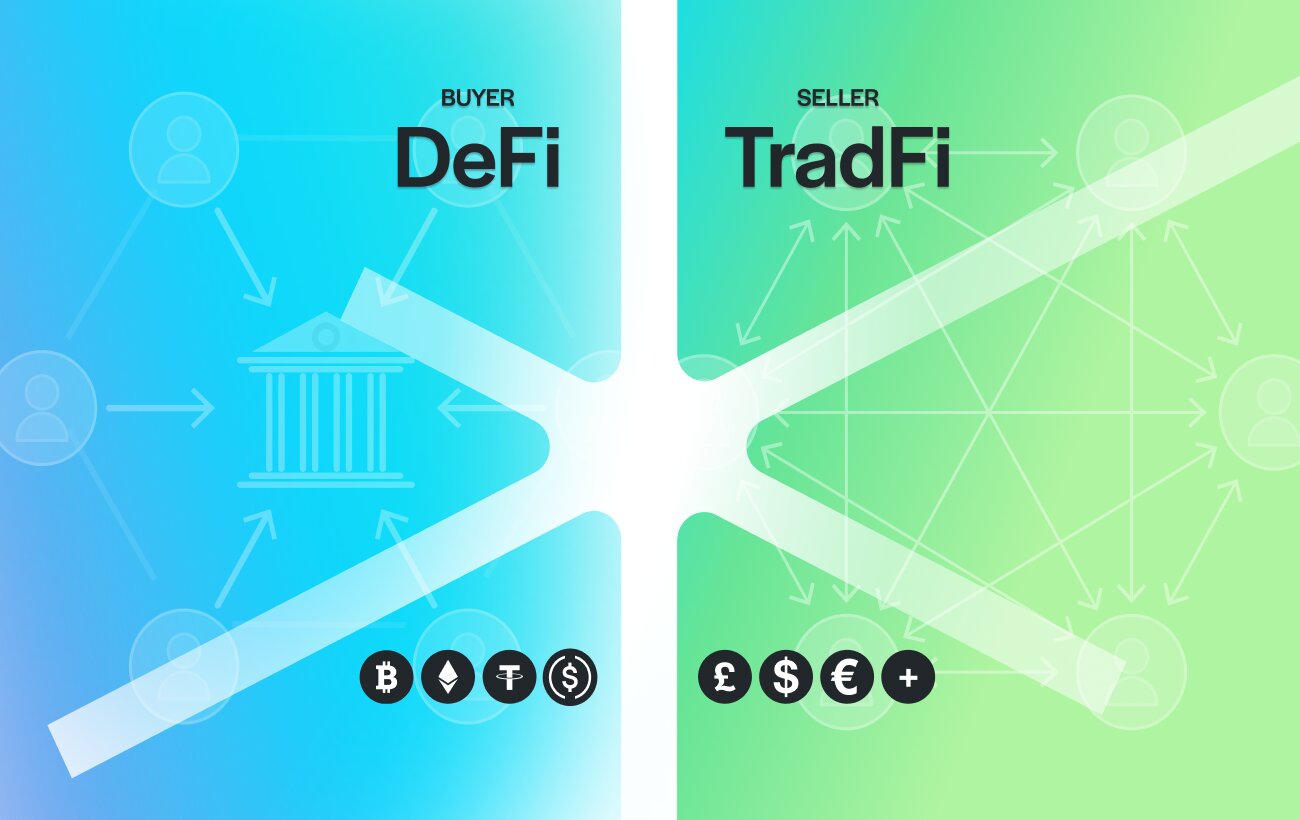
There are two main ways USDC settles real estate payments. The first is the direct wallet-to-wallet model. Here, the tenant holds USDC in a self-custodial wallet (like MetaMask or Coinbase Wallet) and sends it directly to the landlord’s wallet address. This is the purest form of settlement, removing the traditional banking intermediary entirely. It is fast, transparent, and leaves an immutable record on the blockchain. However, it requires both parties to be comfortable with crypto wallets and managing private keys.
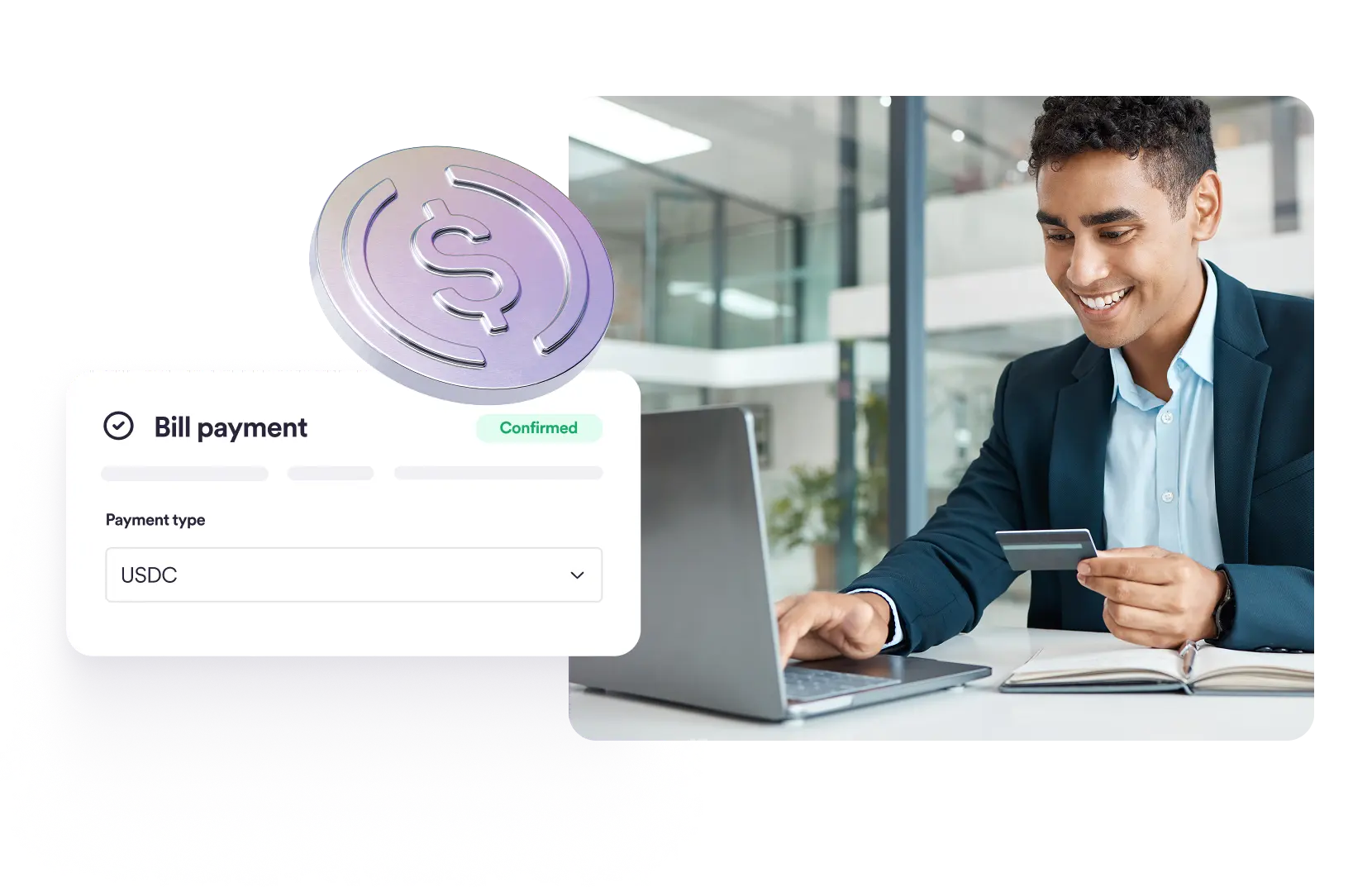
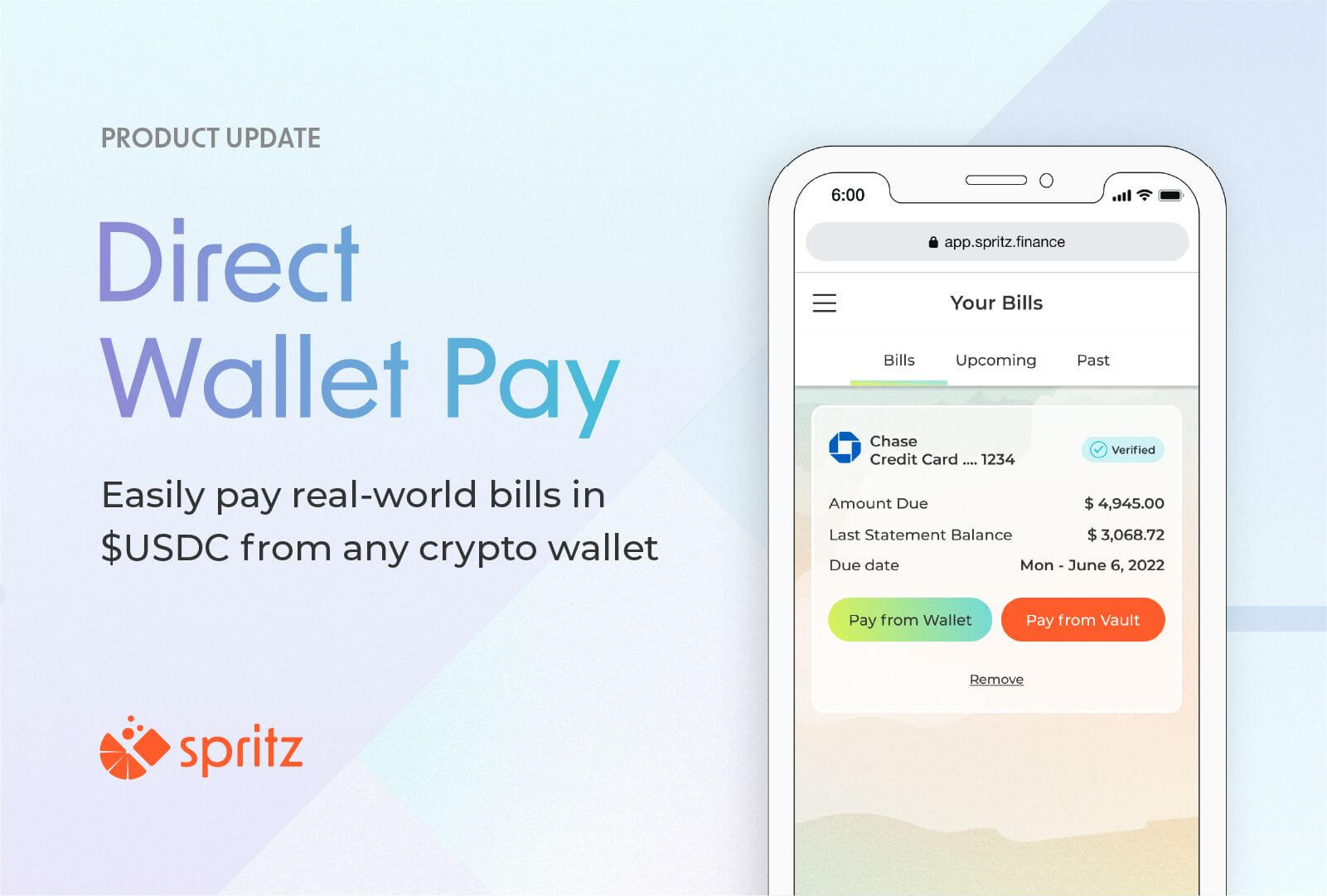
The second model is the fiat-bridge approach. In this scenario, the tenant may hold USDC, but the landlord prefers traditional bank accounts. A payment processor or property management platform acts as the bridge, accepting the USDC and instantly converting it into fiat currency before depositing it into the landlord’s bank account. This model offers the speed of blockchain settlement with the familiarity of traditional banking. It is often the easier entry point for landlords who want to adopt USDC without managing crypto custody themselves. Understanding which model fits your situation is the first step in integrating USDC into your rental strategy.
Direct payment versus fiat bridge models
When you choose to pay rent with USDC, the infrastructure you select determines who gets paid, how fast the money moves, and who bears the regulatory burden. For most tenants, the path splits into two distinct models: direct on-chain transfer and regulated fiat settlement bridges.
Direct transfer is the purest form of crypto settlement. You send USDC from your wallet to the landlord’s wallet address on a supported network like Ethereum or Polygon. This method is instant and minimizes fees, but it requires the landlord to be crypto-native. They must hold a self-custodial wallet, understand gas fees, and manage the tax reporting for digital assets themselves. If your landlord accepts USDC directly, ask for their wallet address and preferred network before initiating the transaction.
The fiat bridge model serves traditional landlords who need dollars in their bank accounts. In this scenario, you still pay in USDC, but a regulated third-party processor converts it to fiat and deposits it into the landlord’s traditional bank account. This removes the cryptocurrency risk from the landlord, making it easier to convince property managers to accept digital payments. However, this convenience comes with processing fees and a slight delay in settlement as the fiat rails clear.
The table below breaks down the practical differences between these two infrastructure paths for a Rent With USDC guide.
| Feature | Direct Transfer | Fiat Bridge |
|---|---|---|
| Speed | Instant (on-chain) | 1-3 business days |
| Landlord Requirements | Crypto wallet | Traditional bank account |
| Fees | Network gas fees | Processing fee (1-3%) |
| Regulatory Burden | Landlord handles taxes | Processor handles reporting |
For tenants navigating this decision, the choice often depends on the landlord’s comfort level. If the landlord is unfamiliar with crypto, a fiat bridge is the only viable option. If they are tech-savvy, direct transfer offers the lowest cost and fastest settlement. Understanding these mechanics helps you structure a Rent With USDC guide that fits your specific property management situation.


As an Amazon Associate, we may earn from qualifying purchases.
Set up automated rent with USDC
Automating your USDC rent payments removes the friction of manual transfers and ensures you never miss a due date. This process involves three main phases: selecting your payment method, configuring your wallet, and setting up the recurring logic. Whether your landlord prefers direct crypto or a stablecoin-to-fiat bridge, the setup is straightforward once you understand the flow.
Choose your payment method
Before touching your wallet, confirm how your landlord wants to receive payment. Some property managers accept USDC directly on specific networks like Ethereum or Polygon, while others prefer a platform that converts USDC to fiat automatically. If your landlord provides a direct wallet address, you will need to ensure your wallet supports the same network to avoid lost funds. If they use a service like Rent.App or similar platforms, you can often pay in USDC with no extra fees, while the platform handles the settlement.
Configure your wallet and approvals
Once you have the recipient details, open your crypto wallet and verify the network. If you are paying directly, add the landlord’s wallet address as a trusted contact to prevent typos. If you are using a third-party app, link your wallet and ensure you have enough USDC to cover the first month plus a small buffer for network gas fees. Most modern wallets allow you to save this recipient for quick access later.
Set up recurring transactions
There are two ways to handle the "recurring" aspect. The first is using a DeFi automation tool or wallet feature that schedules outgoing transactions at set intervals. The second, and often simpler, method is to set up a calendar reminder linked to your wallet app. If your landlord uses a dedicated rental platform, look for a "recurring payment" toggle in the app settings. This ensures the USDC is sent automatically on the 1st or 5th of each month, depending on your lease terms.
Confirm the blockchain network your landlord accepts (e.g., Ethereum, Polygon, Solana). Sending USDC on the wrong network can result in permanent loss. If you are unsure, ask your landlord or property manager for the specific network ID.
Save the landlord’s wallet address or platform URL in your wallet’s trusted contacts. Double-check the first and last four characters of the address to ensure accuracy before initiating any transaction.
Transfer USDC from your exchange or bank-linked source into your wallet. Ensure you have a small amount of the native token (ETH, MATIC, etc.) for gas fees if you are paying directly on-chain.
Set up the recurring transaction. If using a platform like Rent.App, enable auto-pay. If paying directly, set a recurring calendar reminder to trigger the manual send, or use a wallet’s automation feature if available.
Why the market is shifting toward USDC for rent
The push to pay rent with USDC isn't just about novelty; it's a rational response to the friction of traditional settlement layers. When you compare this to paying rent via credit card, the economics become stark. Tenant fees for credit card transactions typically hover around 2.5%, a cost that landlords often pass directly to renters. With USDC, that fee disappears. You aren't paying for the privilege of moving money; you are simply moving it.
This fee reduction is the primary driver for adoption, but speed is a close second. Traditional bank transfers can take days to clear, creating uncertainty for both parties. USDC settles on-chain, often in minutes, providing immediate liquidity. For tenants, there is an additional, often overlooked benefit: yield. Unlike holding cash in a checking account, holding USDC on platforms like Coinbase offers rewards. You earn value while waiting to pay rent, turning a liability into a small income stream. No conversion fees and no lock-ups mean your capital remains flexible and productive.
The stability of the asset itself is the final pillar. USDC is designed to always redeem for $1 USD, backed by reserves held in regulated financial institutions. This peg provides the predictability required for monthly housing expenses, eliminating the volatility that plagues other cryptocurrencies. The market is shifting because USDC offers the speed of crypto with the stability of fiat, all while cutting out the expensive middlemen. As more landlords recognize these savings, the infrastructure around USDC rent payments will continue to mature, making it a standard option rather than an experimental one.
Risks and reserve transparency checks
When you use USDC to pay rent, you are relying on a promise: that the issuer can always redeem the token for $1 USD. This is not just a technical detail; it is the foundation of the transaction. If that trust breaks, the money in your wallet loses its purchasing power overnight.
The primary risk is issuer and reserve risk. USDC depends on Circle’s ability to manage reserves, maintain banking relationships, and honor redemptions. If market participants doubt the liquidity or availability of these reserves, the token can trade below par. For a monthly rent payment, even a small de-pegging event can mean losing hundreds of dollars in real value.
To protect yourself, only use regulated, audited stablecoins. USDC is backed by cash and short-dated U.S. Treasuries, with regular attestation reports from independent accounting firms. Always verify the latest reserve composition before settling. Do not assume stability; check the data.
Frequently asked questions about USDC rent
While the technology behind USDC is robust, using it for real estate introduces specific risks that both landlords and tenants should understand before signing a lease.
What are the risks of using USDC?
The primary risk is issuer and reserve risk. USDC depends on Circle's ability to manage reserves, maintain banking relationships, and honor redemptions. If market participants doubt the liquidity or availability of these reserves, the token can trade below par. Always check Circle's monthly attestation reports to verify reserve backing.
Do most landlords accept USDC?
Adoption is growing but not yet universal. Many landlords prefer traditional fiat for stability, but progressive property managers and individual owners increasingly accept USDC directly or via automated settlement platforms. Always confirm acceptance and preferred networks before attempting a transaction.
Can I use USDC for rent if my landlord wants dollars?
Yes. Several platforms integrated into the USDC rent ecosystem offer auto-conversion features. These services allow you to pay in USDC while the landlord receives fiat in their bank account, smoothing the transition for those not yet ready to hold crypto assets directly.
No comments yet. Be the first to share your thoughts!