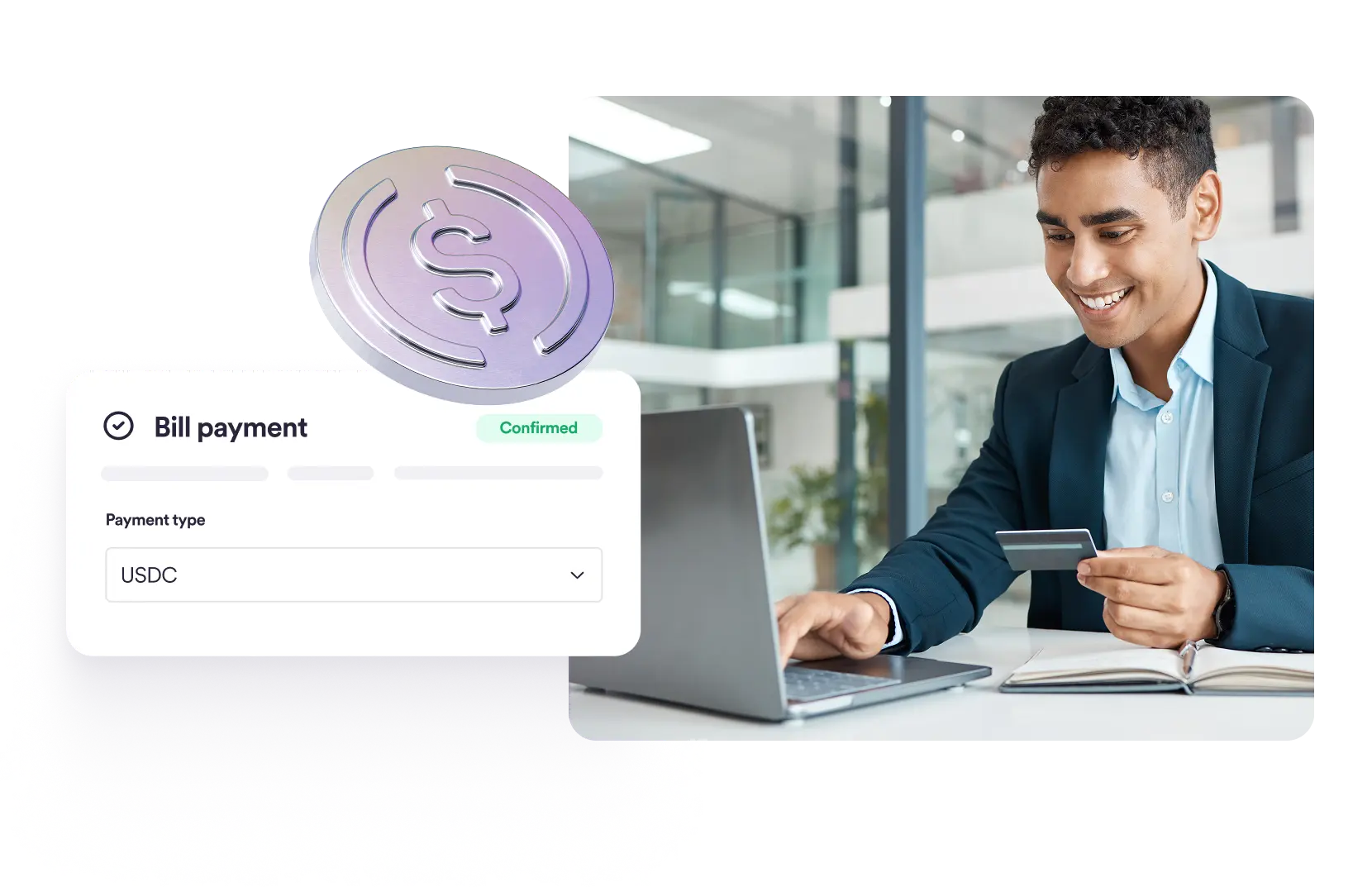
Rent with USDC infrastructure
Paying rent with USDC is legal, but the infrastructure is not a single plug-and-play switch. It requires a regulated financial intermediary to bridge the gap between blockchain settlement and traditional landlord acceptance. Most property managers do not hold crypto directly; they rely on payment processors that convert stablecoins into fiat currency for bank deposits.
The most direct way to use USDC in real life is to send it from your wallet to a merchant or service provider that accepts crypto. For rent, this typically means using a specialized platform or a crypto debit card. As one user noted on Reddit, the fee structure often dictates the choice: "With USDC there are no fees while everything else has about a 2.5% fee." This makes USDC a practical choice for monthly recurring payments where transaction costs matter.
However, the ecosystem remains fragmented. Unlike buying a house with USDC through services like RealOpen, which handles the conversion and wires fiat to escrow, rent payments are usually processed through smaller, niche fintechs. These platforms act as the necessary middlemen, ensuring MiCA compliance and handling tax treatment for the landlord. Until major property management software integrates native stablecoin support, you will likely need a dedicated third-party app to facilitate the transfer.
Rent usdc infrastructure choices that change the plan
Moving rent payments to USDC shifts the friction from banking rails to blockchain mechanics. The core tradeoff is speed versus volatility risk. While USDC removes the 3-5 day settlement window of traditional ACH transfers, it introduces exposure to stablecoin depegging and smart contract vulnerabilities. Landlords must decide whether the premium for instant liquidity outweighs the technical overhead of managing crypto wallets.
The infrastructure landscape splits into three distinct models. Direct on-chain transfers offer the lowest fees but require the tenant to hold USDC in a self-custody wallet. Payment processors act as intermediaries, converting crypto to fiat for the landlord while charging a 1-2% service fee. Hybrid platforms provide the best of both worlds, allowing tenants to pay via card while the landlord receives USDC, though this introduces third-party custody risk.
| Feature | Direct On-Chain | Payment Processor | Hybrid Platform |
|---|---|---|---|
| Settlement Time | Instant (seconds) | 1-3 Business Days | Instant (for landlord) |
| Fee Structure | Network Gas Only | 1-2% Transaction Fee | 1-3% Processing Fee |
| Custody Risk | Self-Custody (High) | Platform Custody (Med) | Platform Custody (Med) |
| Volatility Exposure | None (Stablecoin) | None (Fiat Settlement) | None (Stablecoin) |
| Tenant Onboarding | Requires Crypto Wallet | Credit Card / Bank | Credit Card / Bank |
Security remains the primary concern for landlords. Unlike bank fraud, blockchain transactions are irreversible. A mistaken address or a compromised private key results in total loss of funds. Implementing multi-signature wallets or using reputable custodial services can mitigate this risk, but it adds complexity to the operational workflow.
For most residential landlords, the hybrid model offers the most pragmatic entry point. It allows tenants to use familiar payment methods while the landlord benefits from the efficiency of stablecoin settlement. However, this approach requires careful vetting of the payment processor’s regulatory compliance and insurance coverage. The goal is to leverage the technology without inheriting its liabilities.
How to Use USDC for Rent and Real Estate
Paying rent or buying property with USDC is legal, but it requires routing through regulated financial intermediaries rather than sending tokens directly to a landlord. The process differs significantly between monthly rental payments and large-scale property acquisitions. For rentals, the goal is seamless fiat settlement to avoid volatility. For purchases, the goal is converting digital assets into escrow-ready cash without triggering tax events prematurely.
Step 1: Verify Tenant Acceptance and Platform
Most landlords do not accept cryptocurrency directly. You must use a fintech platform that bridges crypto to fiat. Services like Urban PayX or Coinbase Card allow you to load USDC and generate a virtual or physical card to pay rent. This method treats the transaction as a standard debit purchase, ensuring the landlord receives traditional currency while you spend your stablecoins. Always check for processing fees; USDC often incurs lower fees than other crypto assets when converted via these bridges.
Step 2: Choose a Regulated Payment Bridge
Select a payment provider that complies with local regulations, such as MiCA in Europe or state-level money transmitter licenses in the US. Regulated bridges ensure that your USDC is fully collateralized and that the fiat settlement is traceable for tax purposes. Avoid unregulated peer-to-peer exchanges for rent payments, as they lack the consumer protections and audit trails necessary for lease agreements and potential disputes.
Step 3: Execute the Transaction
For monthly rent, load your USDC into the payment app and initiate the transfer. The platform converts the USDC to fiat and settles with the landlord’s bank account. For real estate purchases, specialized platforms like RealOpen allow you to fund the deal with USDC. They handle the conversion and wire the fiat to escrow, allowing the transaction to close like a traditional cash deal. This preserves the liquidity of your assets until the moment of closing.
Step 4: Manage Tax and Compliance Records
Crypto transactions are taxable events in many jurisdictions. When you spend USDC to pay rent, you may need to report the fair market value at the time of transfer. Keep detailed records of the transaction hash, the USD value at the time of payment, and the platform’s receipt. For larger purchases, consult a tax professional to understand how the conversion impacts your capital gains or losses.



As an Amazon Associate, we may earn from qualifying purchases.
Watchouts in Stablecoin Rent Settlement
The path to paying rent with USDC is narrowing. Early adopters relied on consumer-facing crypto cards, which often charged 2.5% fees or more. The Reddit community report highlights that USDC specifically offered zero fees on these cards, a significant advantage over other options. However, relying on consumer cards for monthly rent is risky; many issuers block large real estate transactions or freeze accounts for suspicious activity.
A more robust approach involves direct wallet-to-wallet transfers or specialized property management platforms. These platforms use regulated fiat settlement bridges, ensuring MiCA compliance and clearer tax treatment for both landlords and tenants. This method avoids the volatility and potential bans associated with general-purpose crypto cards.
When selecting a solution, verify the provider’s regulatory status. USDC is generally considered safer than USDT due to its full collateralization and regulatory oversight. Always confirm that the settlement process converts assets to fiat for the landlord, protecting both parties from market swings and ensuring the transaction closes like a traditional cash purchase.
Rent with usdc infrastructure: what to check next
Navigating the intersection of real estate and stablecoin settlement requires understanding both the mechanics and the regulatory landscape. While the technology is mature, the practical application varies significantly depending on whether you are a tenant, a landlord, or an investor looking to acquire property.
No comments yet. Be the first to share your thoughts!