The 2026 USDC Rent Landscape
Using USDC for rent in 2026 has settled into a clear, two-track system. You generally don't find landlords accepting crypto directly through their doorbell cameras. Instead, the infrastructure relies on either direct peer-to-peer transfers or third-party payment processors that act as the bridge between your wallet and the property management software.
The direct transfer method remains the most common for those with crypto-friendly landlords. This involves sending USDC from your wallet to the landlord’s address. While this avoids the 2.5–3% fees typical of credit card transactions, it requires mutual trust and a shared understanding of tax reporting. It is not an official feature of most property management platforms but rather a private arrangement between tenant and owner.
For the broader market, third-party processors handle the heavy lifting. These services convert your USDC into fiat currency instantly, ensuring the landlord receives standard currency while you pay with stablecoins. This model removes the volatility risk for the landlord and simplifies accounting. As the market matures, these integrations are becoming more seamless, though they still come with processing fees that tenants often absorb.
The choice between these two paths depends on your landlord's comfort level and the specific requirements of your lease agreement. Direct transfers offer lower costs but higher administrative friction, while processors offer convenience at a premium. Understanding this distinction is the first step in navigating the 2026 rental market with crypto.
Payment rails and settlement infrastructure
Paying rent with USDC is less about the token itself and more about the rails that move it. For a transaction to work as a viable rental payment method, it must be faster and cheaper than the traditional bank wire or ACH network it replaces, while remaining compliant with local financial regulations. The infrastructure supporting this shift relies on stablecoin settlement layers that operate 24/7, bypassing the delays of legacy banking hours.
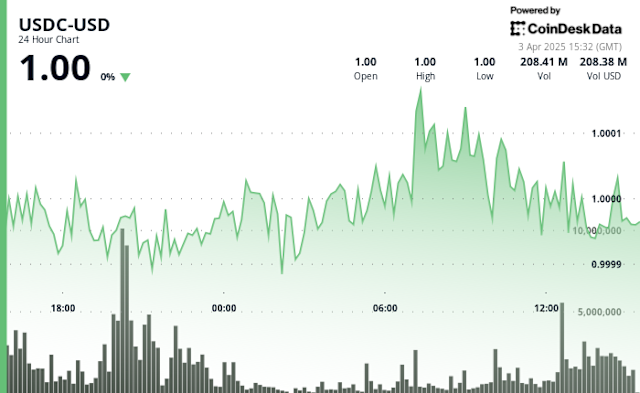
At the core of this system is the stablecoin’s peg to the US dollar. Unlike volatile cryptocurrencies, USDC is designed to maintain a 1:1 value ratio with the dollar, making it a predictable unit of account for landlords and tenants. This stability is maintained by issuers who hold reserves in cash and short-dated US treasuries, ensuring that every token in circulation is backed by real-world assets. This transparency is critical for institutional adoption and regulatory trust.
The speed of settlement is another major advantage. On chains like Solana or Ethereum (via Layer 2 solutions), transactions settle in seconds or minutes, compared to the three to five business days often required for international wire transfers. This immediacy reduces the friction of cross-border payments, allowing landlords to receive funds without waiting for intermediary banks to clear the transaction. The cost is similarly reduced, with fees often dropping to a fraction of a cent or a few dollars, depending on the network congestion.
Regulatory compliance remains the most complex layer of this infrastructure. In jurisdictions like Singapore, platforms facilitating these payments must adhere to the Payment Services Act (PSA). This framework requires strict anti-money laundering (AML) and know-your-customer (KYC) checks. For example, platforms like r3nt operate as licensed payment service providers, ensuring that every transaction is traceable and compliant with local laws. This regulatory oversight protects both tenants and landlords from fraud and ensures that the stablecoin ecosystem operates within the bounds of financial law.
The combination of low cost, instant settlement, and regulatory clarity makes USDC a practical tool for modern rental markets. As more platforms integrate these capabilities, the barrier to entry for using digital assets for everyday transactions continues to fall. However, users must always verify the regulatory status of their chosen platform to ensure their funds are handled in accordance with local laws.
Yield strategies for stablecoin renters
Paying rent in USDC doesn’t require you to liquidate your holdings. By keeping your capital in yield-bearing instruments, you can offset transaction fees or the rent amount itself. This approach transforms a static expense into a position that earns passive income while you wait for the payment date.
The infrastructure for this is straightforward. Platforms like Nexo offer Savings Wallets where USDC begins accruing interest just 24 hours after deposit. Interest is calculated daily and compounds automatically, meaning each payout contributes to subsequent interest calculations. This compounding effect allows your principal to grow without additional effort, effectively subsidizing your housing costs over time.
When comparing options, look for platforms that offer competitive annual percentage yields (APY) and low minimum deposit requirements. Some providers also offer tiered rates where higher balances earn better returns. By strategically timing your deposits to align with your rent schedule, you can maximize the yield earned on the capital you need to keep liquid.
| Provider | APY | Min. Deposit | Compounding |
|---|---|---|---|
| Nexo | ~8.5% | $0.01 | Daily |
| Celsius (Historical) | ~10% | $100 | Daily |
| DeFi Protocols | Variable | $0.01 | Per Transaction |
If you prefer decentralized finance, lending protocols like Aave or Compound allow you to supply USDC directly. While the process is more technical, it often provides transparent, on-chain yields. However, smart contract risk is higher in DeFi compared to regulated custodial platforms. For most renters, the simplicity and regulatory clarity of a centralized savings wallet outweigh the marginal yield differences.
Stablecoin adoption and cost comparison
The shift toward stablecoin rent payments is driven primarily by the elimination of traditional processing fees. While credit card processors typically charge landlords and property managers between 2% and 3% per transaction, USDC transfers on networks like Solana or Ethereum Layer 2s often cost fractions of a cent. This structural advantage allows tenants to avoid the 2.5% convenience fees commonly associated with crypto-debit cards, making direct wallet-to-wallet transfers the most economically efficient option for high-value recurring payments.
Adoption is growing among tech-forward landlords and platforms that integrate direct blockchain settlement. Unlike traditional fiat methods, which rely on multi-day bank clears and intermediary banks, stablecoin transactions settle in minutes. This speed reduces the administrative burden of chasing late payments and provides instant confirmation of receipt. Below is a direct comparison of how USDC rent payments stack up against standard fiat and card-based alternatives.
| Feature | USDC Payment | Credit Card | ACH Transfer |
|---|---|---|---|
| Transaction Cost | ~$0.01–$0.50 | 2.5%–3.5% | $0–$1.50 |
| Settlement Time | Minutes | 2–3 days | 3–5 days |
| Cross-Border Feasibility | High | Medium (FX fees) | Low |
| Chargeback Risk | Irreversible | High | Medium |
Product Recommendations for Stablecoin Payments
Paying rent with USDC requires a stack of tools that balances low fees with regulatory safety. The infrastructure has matured from experimental workarounds to dedicated payment rails and compliant exchange integrations. Choosing the right combination depends on whether you prioritize yield generation or transactional simplicity.
Dedicated Payment Platforms
Services like r3nt provide a direct bridge between tenants and landlords, handling the conversion and compliance aspects. A case study from Singapore demonstrated how these platforms can streamline monthly payments while adhering to local regulations. These tools remove the friction of manual transfers, offering a dedicated interface for rent-specific transactions.
Exchange-Based Solutions
Major exchanges like Coinbase have integrated USDC directly into their payment ecosystems. Users can hold USDC and spend it via linked cards or direct transfers. While some platforms charge fees for fiat conversions, holding USDC directly often avoids the 2.5% surcharge common with other cryptocurrencies. This approach leverages existing financial relationships without requiring new accounts.
Hardware Wallets
For long-term holding, hardware wallets provide essential security for your USDC reserves. Protecting your assets from exchange risks is a critical step in any stablecoin strategy. Look for devices that support ERC-20 tokens and offer robust offline signing capabilities.


As an Amazon Associate, we may earn from qualifying purchases.
Yield-Generating Accounts
If you plan to hold USDC for extended periods before paying rent, yield-generating accounts can offset inflation. Platforms like Nexo offer savings wallets that accrue interest daily, compounding automatically. This allows your capital to work for you while remaining liquid enough for monthly obligations. Always verify the regulatory status and reserve backing of any yield provider.
Frequently asked questions about USDC rent
Can I earn yield on USDC? Yes. To earn interest on USDC, you need to hold it on a platform that offers Savings or yield products. On Nexo, for example, your USDC begins accruing interest 24 hours after it is added to your Savings Wallet. Interest is calculated daily and compounds automatically, meaning each payout contributes to subsequent interest calculations.
Is USDC safe for paying rent? USDC is backed by fully reserved assets held in regulated financial institutions, making it a stable option for monthly obligations. Unlike volatile cryptocurrencies, its value is pegged to the US dollar, ensuring you pay the exact amount due. Always verify the reserve transparency of the platform you use to hold or transfer funds.
Do landlords accept USDC? Most traditional landlords do not accept cryptocurrency directly. However, you can use USDC to pay rent by converting it to fiat currency through a crypto card or bank transfer before the due date. Some property management platforms now integrate crypto payments, but direct acceptance remains rare.
No comments yet. Be the first to share your thoughts!