Why USDC fits the rent payment workflow
Paying rent with crypto often feels like a gamble until you look at the actual settlement layer. The biggest hurdle isn't the blockchain; it's the counterparty risk. When you pay with Bitcoin or Ethereum, the landlord takes on volatility. If the price drops 5% while the transaction clears, the rent is effectively lower. If it spikes, the tenant loses money. That friction makes landlords nervous and tenants hesitant.
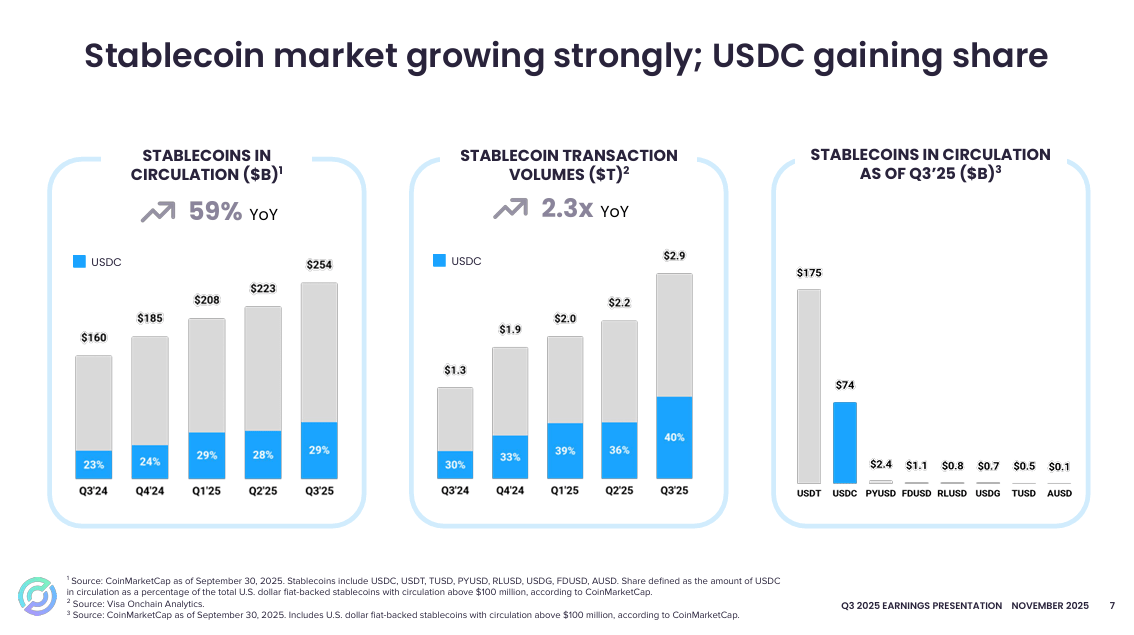
USDC solves this by acting as a digital dollar. It is pegged 1:1 to the US currency, meaning the value you send is the value received. This stability removes the speculation from the transaction. For a monthly obligation like rent, predictability is the only metric that matters. You aren't trying to get rich on the payment; you are trying to settle a debt cleanly.
But stability alone isn't enough. You need a coin that regulators and banks actually trust. USDC is issued by Circle, a regulated financial institution that publishes monthly attestation reports. This regulatory clarity is why most crypto-to-fiat settlement rails prefer USDC. When a landlord receives USDC, they can easily convert it to their local bank account without triggering the same red flags that might come with unregulated tokens.
The fees reinforce the choice. Traditional wire transfers and ACH payments can take days and cost money. USDC transactions settle in seconds or minutes on networks like Solana or Ethereum Layer 2s, often for fractions of a cent. This speed and low cost make it viable for small, frequent payments like rent, where high fees would otherwise eat into the utility.
How landlords get paid in fiat
Tenants send USDC, but the money hitting the bank account needs to be traditional currency. Settlement infrastructure bridges that gap. Providers act as gateways, converting stablecoins into USD and depositing funds directly into landlord accounts. This removes the need for landlords to hold crypto or navigate volatile exchanges.
Compliance is the backbone of this process. Reputable settlement providers integrate Know Your Customer (KYC) and Anti-Money Laundering (AML) checks. These standards ensure that the flow of funds meets regulatory requirements, protecting both the property manager and the payment processor from legal risks. Without these checks, the system cannot operate legally in most jurisdictions.
Speed and cost vary by provider. Some platforms offer same-day settlement for a higher fee, while others use batch processing to lower costs. Landlords should compare these trade-offs carefully. The goal is to receive rent quickly without eating into profits through excessive transaction fees.
| Provider | Typical Fee | Settlement Speed | Onboarding |
|---|---|---|---|
| TrustLinq | 1.5% | Same-day | Low |
| BitPay | 1% | 1-2 days | Medium |
| Plutus | 0.8% | Next-day | High |
| PlutusX | 0.5% | 2-3 days | Medium |
Hardware wallets for secure rent storage
When you hold a full month’s rent in USDC, a hardware wallet acts like a safe deposit box for your digital cash. Unlike software wallets or exchange accounts, these devices keep your private keys offline, meaning they never touch the internet where hackers lurk. For a high-stakes payment like rent, this separation is the difference between a quick transfer and a total loss.
Ledger Nano S Plus
The Ledger Nano S Plus is a solid entry point for self-custody. It supports USDC on Ethereum and Solana, covering the two most common networks for rent payments. Its screen is large enough to verify transaction details before you sign, which is critical when moving significant funds. While the interface is basic, it gets the job done without unnecessary complexity.
Trezor Model T
Trezor’s Model T offers a touchscreen interface that some users find more intuitive than button-based navigation. It also supports a wide range of tokens and networks, making it a flexible choice if you plan to hold other assets alongside your rent money. The open-source nature of Trezor devices adds an extra layer of trust for security-conscious users who want to verify the code themselves.
KeepKey
KeepKey is another reliable option, known for its durable build and straightforward design. It has a large display that makes it easy to read transaction amounts and addresses, reducing the risk of sending rent to the wrong address. While it supports fewer networks than some competitors, it handles USDC on Ethereum and Bitcoin well, which covers most standard rent payment scenarios.


As an Amazon Associate, we may earn from qualifying purchases.

Yield generation on idle rent funds
Paying rent with USDC doesn’t have to mean your money sits dormant until the landlord’s bank account receives it. By treating your monthly rent allocation as a short-term deposit, you can generate yield on those idle funds before the transaction date. This strategy turns a monthly expense into a small income stream, effectively offsetting transaction fees or minor inflation erosion.
The most direct approach is using regulated money market funds or lending protocols that support USDC. Platforms like Nebeus allow users to deposit crypto for fixed terms—often up to four months—earning annualized yields that can reach double digits depending on market demand. Since rent is a recurring, predictable cash flow, you can align these deposit terms with your lease cycle. For example, if you pay rent monthly, you might use a rolling deposit strategy where funds are locked for 30 days, yielding interest before being withdrawn for payment.
Stablecoins like USDC are particularly well-suited for this because they maintain a 1:1 peg with the US dollar, backed by cash and short-term US Treasuries. This stability means you aren’t betting on volatile asset prices; you are simply parking cash in a higher-interest bucket. The risk profile is significantly lower than staking volatile assets like ETH or SOL, making it a safer harbor for essential living expenses.
To visualize the stability of the underlying asset, consider the USDC/USD price chart. It demonstrates how the peg holds firm, ensuring your principal remains intact while you earn yield.
When evaluating platforms, look for those with transparent reserves and regulatory compliance. The goal is to find a balance between yield and accessibility. You need a platform that allows you to withdraw funds on demand or with minimal notice, ensuring you never miss a rent deadline due to withdrawal locks. Always calculate the net yield after accounting for any platform fees or withdrawal costs to ensure the strategy remains profitable.
Execute the rent payment
Sending USDC for rent is a straightforward workflow if you know which tools handle the final settlement. The goal is to move funds from your self-custodial wallet to the landlord’s bank account or property management portal without hitting unexpected fees or delays.
1. Prepare your USDC balance
Ensure your wallet holds enough USDC to cover the rent plus a small buffer for network gas fees. If you are using Ethereum mainnet, gas costs can fluctuate, so check the current price of ETH to estimate the cost. For faster and cheaper transactions, consider using a Layer 2 network like Base or Arbitrum, which are widely supported by modern payment processors.
2. Choose a settlement processor
Landlords rarely accept direct on-chain transfers to their personal wallets unless they are crypto-native. Instead, use a dedicated rent payment platform that acts as the bridge. These services accept your USDC and settle the fiat amount to the landlord’s bank account. TrustLinq and similar providers specialize in this bank settlement layer, allowing you to pay from a self-custodial wallet while the landlord receives traditional currency. This removes the volatility risk for the property manager.
3. Initiate the transaction
Log into the payment platform and enter the landlord’s bank details or select their profile if they are already registered. Connect your wallet (such as MetaMask or Coinbase Wallet) to authorize the USDC transfer. Double-check the network selection—sending USDC on the wrong chain can result in lost funds. Confirm the exact amount and the estimated settlement date. Most processors offer same-day or next-day bank deposits for a small fee.
4. Verify receipt and record keeping
Once the transaction is broadcast, wait for the blockchain confirmation. Save the transaction hash (TXID) as proof of payment. The landlord will receive a notification once the fiat settlement is complete. Keep this record in your personal finance tracker to reconcile with your lease agreement. This digital trail is often more reliable than a paper check for dispute resolution.
Ensure you have sufficient USDC and a buffer for gas fees. Prefer Layer 2 networks like Base for lower costs.
Use a platform like TrustLinq to convert USDC to fiat for the landlord. This protects them from volatility.
Link your self-custodial wallet to the payment portal. Verify the network (e.g., Ethereum vs. Base) before signing.
Save the transaction hash. Verify the landlord’s bank deposit matches your lease terms for your records.
Is staking USDC worth it for rent?
Staking USDC can generate yield, but it introduces friction when you need to pay rent on time. Most staking platforms lock your funds for a set period or require a cooldown to withdraw. If your lease is due on the first and your staking position hasn’t matured, you might face late fees or liquidity shortfalls.
USDC is favored for staking due to its stability and reliability. Backed one-to-one by US dollars, USDC brings a level of trust and security to the staking process. However, this security doesn’t guarantee immediate access to your cash when unexpected expenses arise.
For rent payments, liquidity is king. Consider keeping your rent money in a non-staked, highly liquid wallet or a high-yield savings account that allows instant transfers. Use staking only for funds you won’t need for at least several months.
No comments yet. Be the first to share your thoughts!