USDC settlement infrastructure upgrades
Paying rent with stablecoins has moved from a niche experiment to a viable utility, but only because the underlying rails have matured. The friction that once defined crypto payments—high fees, slow settlement, and network congestion—has been systematically addressed through infrastructure upgrades in 2026. These improvements are not just incremental; they are structural shifts that make USDC a practical settlement layer for recurring obligations like rent.
At the core of this shift is the reduction in latency and cost. Early iterations of crypto payments often relied on networks with unpredictable gas fees and confirmation times that could stretch into minutes or hours. For a landlord waiting for rent or a tenant trying to avoid late fees, this uncertainty was a dealbreaker. The 2026 upgrades leverage optimized settlement layers that process transactions in seconds, with fees that are negligible compared to traditional credit card processing costs. This efficiency is critical for high-volume, low-margin transactions like monthly rent.
The technical foundation now supports seamless integration with existing financial systems. Landlords no longer need to manage complex wallet structures or worry about volatility. The infrastructure ensures that USDC remains pegged to the US dollar with high fidelity, providing the stability required for contractual obligations. This stability, combined with the speed of settlement, creates a reliable payment rail that competes directly with traditional ACH and wire transfers, but with the added benefits of transparency and programmability.
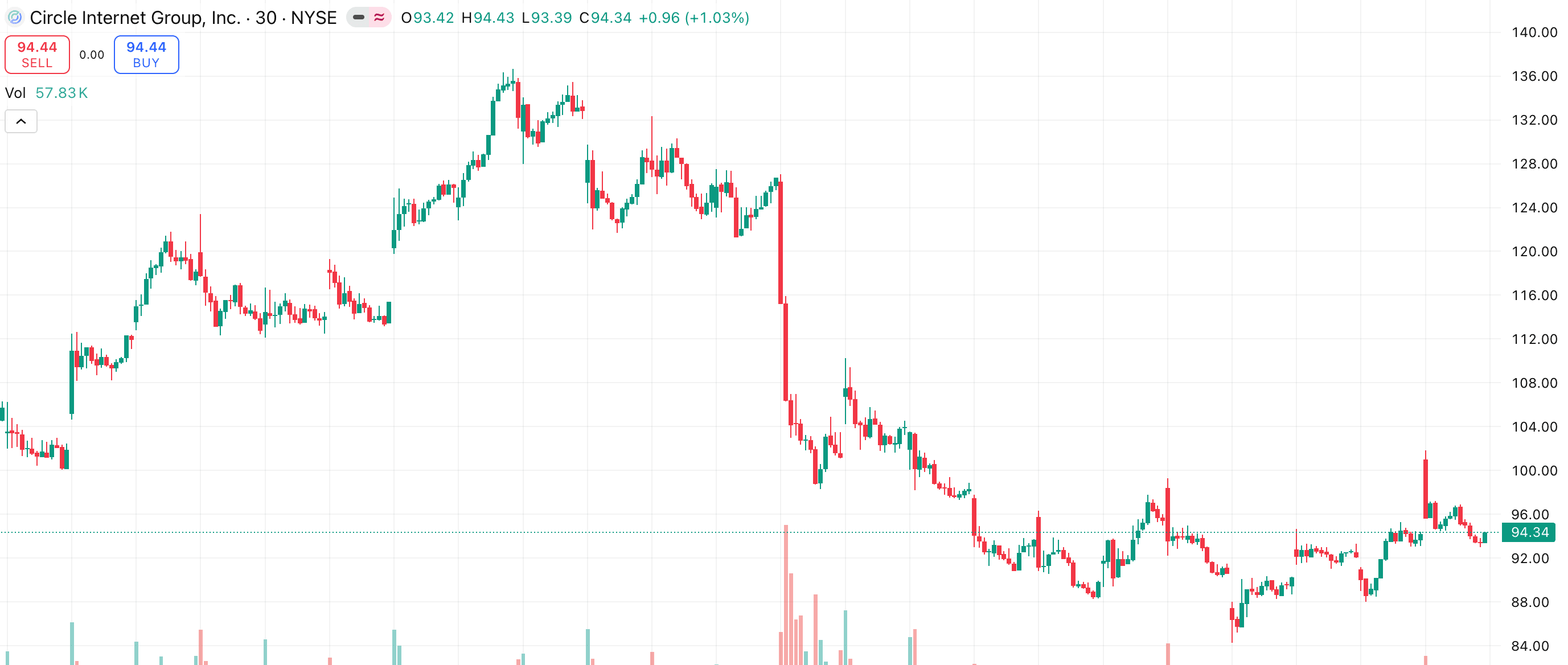
To understand the current market context for USDC, it is helpful to view its price stability and trading volume. The following chart illustrates the live performance of USDC against the US dollar, reflecting the stability that underpins its utility in rent payments.
Cost comparison with traditional payment rails
When you pay rent with a credit card, the transaction fee typically lands between 2.5% and 3.5%. For a $2,000 monthly payment, that is $50 to $70 vanishing into processing costs. ACH transfers are cheaper, often costing $0.25 to $1.00 per transaction, but they lack the immediacy and flexibility of card networks. USDC offers a distinct advantage by operating on low-cost settlement rails, often reducing fees to near zero or a fixed fraction of a cent, depending on the network used.
The following table breaks down the estimated costs for a standard $2,000 rent payment across three common methods. These figures highlight the financial drag of traditional rails versus the efficiency of stablecoin settlements.
| Payment Method | Typical Fee Range | Cost on $2,000 Rent | Settlement Speed |
|---|---|---|---|
| Credit Card | 2.5% - 3.5% | $50.00 - $70.00 | Instant |
| ACH Transfer | $0.25 - $1.00 | $0.25 - $1.00 | 1-3 Business Days |
| USDC (Stablecoin) | $0.00 - $0.50 | $0.00 - $0.50 | Minutes |
While ACH remains the cheapest traditional option for speed-flexible payments, it ties up capital for days. USDC bridges this gap by offering near-instant settlement at a fraction of the credit card cost. This efficiency matters significantly for landlords managing multiple units or tenants paying late fees to avoid eviction. The savings compound quickly, making USDC a practical tool for rent optimization rather than just a speculative asset.


As an Amazon Associate, we may earn from qualifying purchases.
Adoption trends in the rental market
Stablecoin adoption for rent is currently a hybrid model rather than a fully integrated industry standard. Most transactions rely on direct peer-to-peer transfers using wallets like Coinbase or MetaMask, bypassing traditional payment processors. This method allows tenants to avoid the 2.5% convenience fees often charged by credit card processors, a significant saving for monthly obligations.
The market is fragmented. While platforms like Weex have launched dedicated rental settlement rails, most landlords still accept crypto informally. A tenant on Reddit noted that USDC is the preferred choice because it is "fee-free" compared to other crypto options, provided the landlord is willing to receive it directly. This suggests that adoption is driven by individual cost-saving incentives rather than widespread landlord infrastructure.
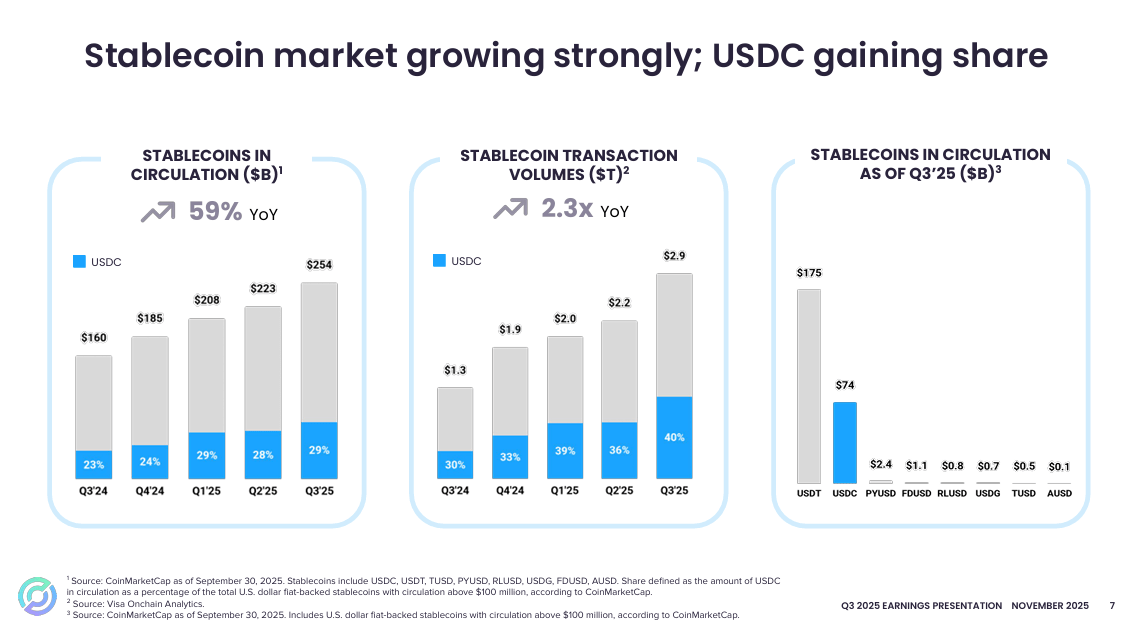
The stability of USDC is central to this adoption. Unlike volatile assets, USDC maintains a 1:1 peg with the dollar, making it a practical medium of exchange for rent. However, the lack of official, standardized settlement rails means users must navigate manual transfers. This friction limits mass adoption, keeping the market in a niche, high-stakes environment where users must verify wallet addresses and network compatibility manually.
How to implement USDC rent payments
Moving from traditional ACH or wire transfers to stablecoin payments requires a structured approach. Because USDC operates on public blockchains, the "settlement rail" is instant, but the liability for errors shifts entirely to the participants. There is no chargeback mechanism and no central bank guarantee. This section outlines the practical steps to set up this system safely.
Before integrating any payment flow, confirm that your jurisdiction permits digital asset rent payments. The U.S. Commodity Futures Trading Commission (CFTC) and the Financial Crimes Enforcement Network (FinCEN) have specific reporting requirements for virtual asset service providers. Ensure your lease agreements explicitly define the legal tender status of the payment and the conversion rate timestamp to avoid disputes.
Do not use consumer exchange accounts for recurring rent. Open a multi-signature wallet or use a custodial solution designed for businesses. This separates personal funds from operational rent collection. Enable IP whitelisting and require multi-party authorization for outgoing transactions to prevent unauthorized withdrawals.
Most landlords prefer fiat currency for taxes and expenses. Connect your USDC wallet to a regulated on-ramp provider like Circle or a banking partner that supports automatic stablecoin-to-fiat conversion. This ensures that incoming USDC is immediately converted to USD in your bank account, eliminating price volatility risk while keeping the settlement speed benefits.
Blockchain transactions are irreversible. Implement a daily reconciliation process that matches on-chain transaction hashes to your lease management software. Require tenants to include their unit number or invoice ID in the transaction memo field. This creates an immutable audit trail that simplifies accounting and tax reporting at the end of the fiscal year.
The transition to crypto rent is not just a technical upgrade; it is a fundamental shift in risk management. By following these steps, landlords and tenants can leverage the speed of USDC while maintaining the financial security of traditional banking systems.
Frequently asked questions about USDC rent
Paying rent with stablecoins is a specific use case that often gets mixed up with broader real estate investment metrics. Here are the most common questions tenants and landlords ask about settling rent in USDC.
No comments yet. Be the first to share your thoughts!