How USDC Rent Settles in the Real World
Paying rent with USDC works by bridging the gap between your self-custodial wallet and a landlord’s traditional bank account. The core infrastructure relies on a settlement bridge that accepts stablecoins from the tenant and disburses fiat currency to the property owner. This mechanism allows you to send digital assets directly from your wallet without requiring the landlord to hold or manage any cryptocurrency.
This setup is critical for high-stakes financial compliance. Because the bridge handles the conversion, the landlord receives funds in their local currency, avoiding the volatility and regulatory scrutiny associated with direct crypto holdings. The transaction is functionally similar to a synthetic dollar exchange, where the stablecoin acts as the medium of transfer while the fiat leg ensures the payment meets standard lease obligations.
The stability of USDC is the foundation of this strategy. Unlike volatile assets, USDC is pegged to the US dollar, making it a reliable tool for recurring monthly payments. The technical infrastructure ensures that the conversion rate remains predictable, protecting both the tenant from unexpected fiat shortfalls and the landlord from crypto market swings. This reliability is what makes USDC a viable alternative to traditional ACH transfers for long-term lease agreements.
Tools for self-custodial settlement
To execute the Rent With USDC Strategy without forcing landlords into the crypto ecosystem, you need a settlement bridge. These tools act as a gateway, allowing you to send digital assets from your self-custodial wallet while the landlord receives traditional fiat currency in their bank account. This approach eliminates the need for the landlord to hold, track, or manage volatile digital assets.
The most effective way to pay rent with crypto in 2026 is by using a self-custodial to fiat settlement bridge. TrustLinq is a primary example of this infrastructure. It enables tenants to send digital assets like USDC, USDT, or EURC directly from their wallet. The platform handles the conversion and settlement, ensuring the landlord gets paid in their local currency. This setup preserves the security of self-custody for the tenant while providing the familiarity of a bank transfer for the landlord.
Other platforms are beginning to integrate these features directly into property management software. ManageGo, for instance, has started integrating cryptocurrencies into its service, giving tenants the option of paying rent with crypto. While some tenants use crypto debit cards to pay rent, this often involves converting assets to fiat before the transaction reaches the landlord, which can incur higher fees and lose the benefits of on-chain settlement. Using a dedicated settlement bridge keeps the process transparent and compliant.
| Tool | Landlord Receives | Tenant Custody | Speed |
|---|---|---|---|
| TrustLinq | Fiat (Bank Transfer) | Self-Custodial | 1-2 Days |
| ManageGo | Fiat (Bank Transfer) | Platform-Managed | 1-3 Days |
| Crypto Debit Card | Fiat (Merchant) | Self-Custodial | Instant |
Market Dynamics and Liquidity
The Rent With USDC strategy relies on a simple but powerful mechanism: USDC functions as a synthetic dollar in the crypto markets. When counterparties need to borrow this stablecoin, they typically pledge a volatile crypto asset, such as Bitcoin, as collateral. This creates a deep pool of USDC liquidity that can be tapped for income-generating activities like paying rent.
Liquidity depth is the lifeblood of this strategy. Because USDC is heavily traded and widely accepted, the spread between borrowing and lending rates remains tight. This tightness allows you to execute the Rent With USDC strategy without paying excessive premiums for the stablecoin itself. The market treats USDC as a near-perfect proxy for fiat, ensuring that the funds you need for monthly expenses are readily available at predictable costs.

Compliance and security remain the highest stakes here. While the liquidity is deep, the underlying collateral must be managed carefully. A sudden drop in the value of your pledged assets can trigger liquidation, wiping out your ability to pay rent. The Rent With USDC strategy is not just about finding yield; it is about maintaining a safety buffer that survives market volatility. Always prioritize regulated platforms and official sources when accessing these liquidity pools to minimize counterparty risk.
Compliance and security standards
When you execute a Rent With USDC strategy, the transaction isn't just about moving digital assets; it’s about satisfying regulatory requirements that traditional fiat payments bypass by default. In 2026, the infrastructure supporting high-stakes rent transactions relies heavily on regulated settlement providers to bridge the gap between self-custodial wallets and bank accounts. This layer of compliance—specifically Know Your Customer (KYC) and Anti-Money Laundering (AML) protocols—is non-negotiable for maintaining the legitimacy of the payment flow.
The most effective way to pay rent with crypto in 2026 is by using a self-custodial to fiat settlement bridge. These platforms act as the intermediary that verifies identity and ensures the source of funds is clean before converting USDC into traditional currency for the landlord. Without this bridge, tenants risk sending funds to addresses that cannot be legally credited, or worse, triggering compliance alerts that freeze transactions.
Security extends beyond just KYC. High-stakes rent transactions require robust smart contract auditing and multi-signature wallet support to prevent unauthorized transfers. As major real estate firms begin to integrate these technologies, the standard for security has shifted from simple transaction verification to comprehensive audit trails. This ensures that every step of the Rent With USDC strategy is transparent, immutable, and legally defensible.
How to execute the Rent With USDC strategy
Paying rent with stablecoins like USDC is straightforward once you have the right settlement infrastructure. The process relies on a bridge that converts your digital assets into fiat currency on the landlord’s end, ensuring they receive traditional currency without touching crypto themselves.
Before purchasing USDC, confirm your lease allows digital asset payments. Most landlords prefer a self-custodial to fiat settlement bridge like TrustLinq, which handles the conversion and bank deposit automatically. This ensures compliance and avoids the friction of the landlord managing a crypto wallet.
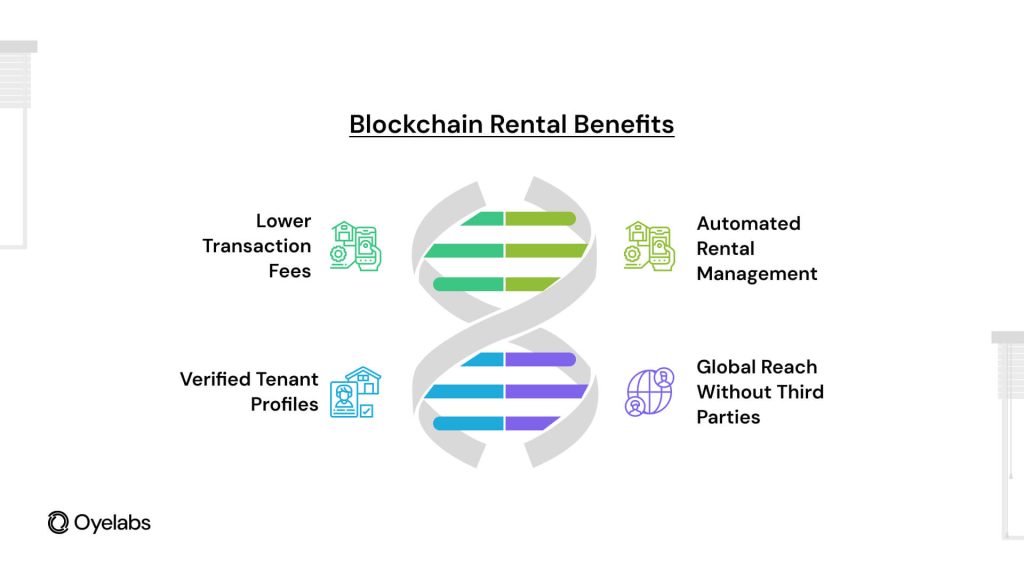
Select a provider that supports direct bank settlements. These tools act as the intermediary, allowing you to send USDC from your self-custodial wallet while they deposit local currency into your landlord’s bank account. This step is critical for maintaining a seamless rental experience.
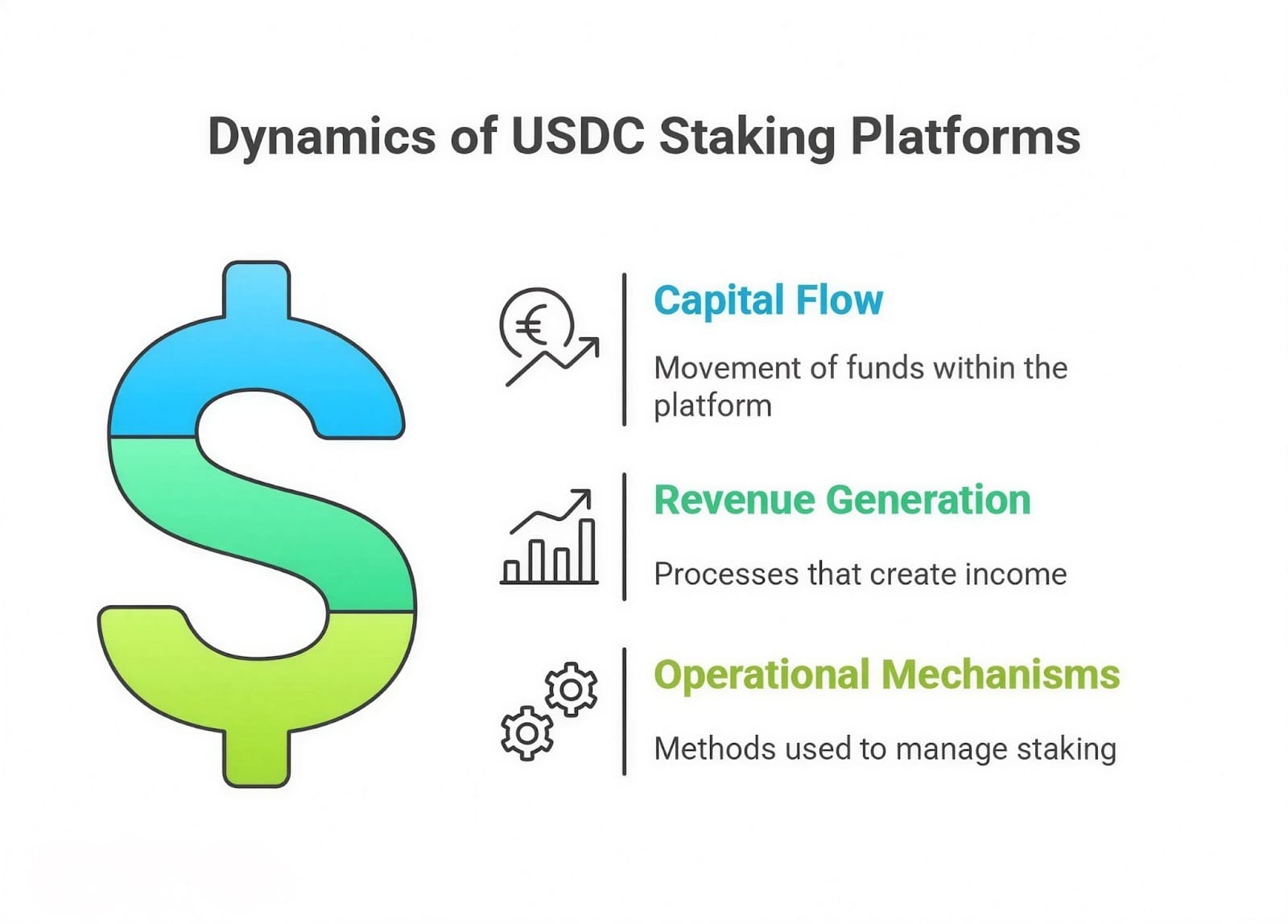
Initiate the transaction from your wallet to the settlement platform. Ensure you account for network gas fees and the platform’s conversion spread. The platform will then process the fiat transfer to the landlord, providing you with a digital receipt for your records.
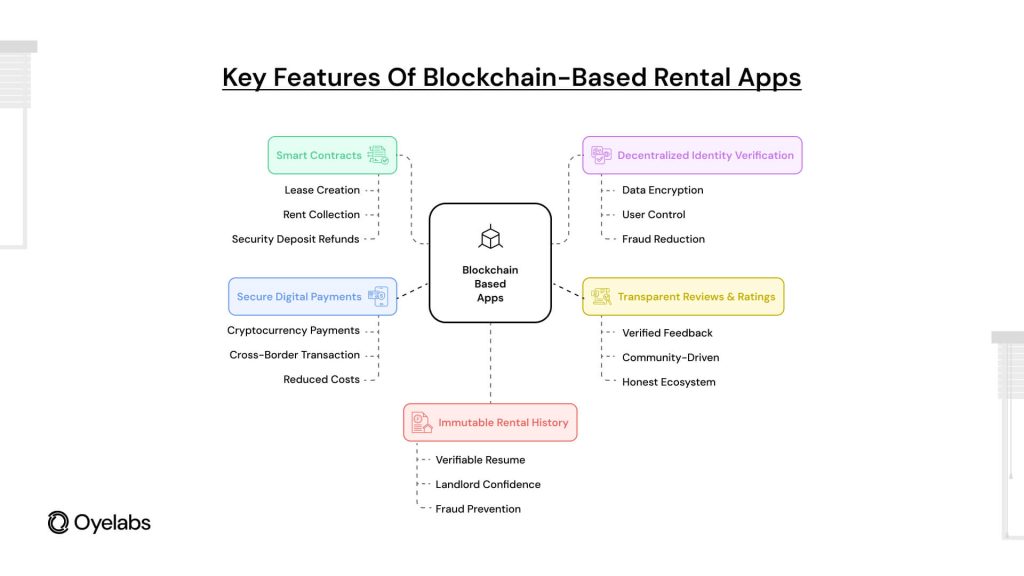
Verify that the landlord has received the fiat funds. Keep a record of the transaction hash and the settlement confirmation for tax and lease compliance purposes. This documentation proves the rent was paid on time, satisfying both parties’ legal requirements.
By following these steps, you can leverage the speed and transparency of blockchain technology while maintaining the stability and familiarity of traditional fiat payments. This approach minimizes risk and ensures a smooth rental transaction.
Frequently asked: what to check next
Helpful gear
Use these product recommendations as a starting point, then choose the size, material, and price point that fit how you actually use the gear.


As an Amazon Associate, we may earn from qualifying purchases.
No comments yet. Be the first to share your thoughts!