Rent USDC constraints and settlement realities
Using USDC for rent sounds like a frictionless upgrade, but the infrastructure gap between crypto rails and traditional property management creates specific constraints. You are not just moving value; you are bridging two incompatible settlement systems. The primary friction point is that most landlords do not hold crypto wallets. They require fiat currency to cover mortgages, taxes, and maintenance. This means your USDC payment must be converted, introducing a dependency on third-party processors that dictates the cost and speed of your transaction.
The most immediate constraint is the fee structure. Paying rent with USDC is not inherently free. If you use a debit card or a crypto-to-fiat bridge to send payment, you will likely encounter processing fees ranging from 1.5% to 3%. As noted by users on r/CryptoCurrency, while some platforms waive fees for direct USDC transfers, the broader ecosystem still charges significant spreads compared to traditional bank transfers. You must calculate whether the convenience of using stablecoins outweighs the 2-3% premium over a standard ACH or wire transfer.
Another constraint is volatility risk, even with a stablecoin. While USDC is pegged to the dollar, the conversion window matters. If your landlord uses a processor that holds your funds for settlement, a brief market disruption could theoretically impact the final fiat amount received. Landlord acceptance is also not universal. Many property management companies lack the compliance infrastructure to handle crypto disclosures, meaning you may need to negotiate private arrangements or use specialized services like TrustLinq to facilitate bank settlements without the landlord directly touching crypto.
Finally, consider the irreversibility of blockchain transactions. Unlike credit card payments, USDC transfers cannot be charged back. If a landlord claims non-receipt or disputes the payment, your recourse is limited to legal action or platform mediation, which is slow and costly. Always verify the recipient wallet address or bank details before confirming the transaction. The "settlement" is only complete when the landlord confirms receipt, not when the blockchain shows a pending status.
Rent usdc choices that change the plan
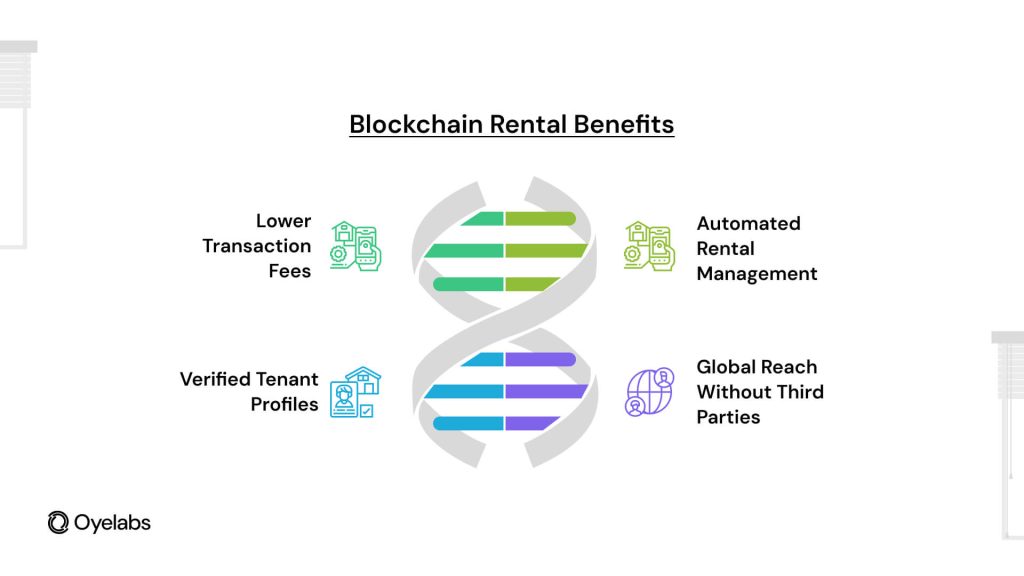
Switching rent payments to USDC removes the friction of traditional banking, but it introduces new variables you need to weigh against the convenience. The primary benefit is cost: USDC transactions on many networks incur minimal or zero fees, whereas credit card payments often carry a 2.5% processing charge that landlords pass on to tenants or absorb as a business expense.
However, liquidity and timing become critical. Unlike a bank transfer that settles instantly in your account, USDC requires you to hold the stablecoin or convert it from volatile assets like Bitcoin or Ethereum before the due date. If the conversion happens during a market dip, you could end up owing more USD value than anticipated. Additionally, while USDC is pegged to the dollar, it is not federal insurance. You are relying on the issuer’s reserves and the blockchain’s uptime, not a bank’s FDIC coverage.
To decide if this shift makes sense for your specific lease, compare the total cost and risk profile of each payment method. The table below breaks down the tangible differences in fees, settlement speed, and regulatory protection.
| Factor | USDC Payment | Credit Card | Bank Transfer |
|---|---|---|---|
| Transaction Fee | Near zero (network dependent) | ~2.5% processing fee | Free or low ACH fee |
| Settlement Speed | Minutes to hours | Instant to landlord | 1-3 business days |
| Regulatory Protection | Issuer reserves (no FDIC) | Chargeback rights apply | FDIC insured |
| Volatility Risk | Low (if held in stablecoin) | None (fixed USD debt) | None |
Turn Research Into a Rent Payment Plan
Paying rent with USDC requires more than just holding the token; it demands a workflow that accounts for fees, settlement times, and landlord acceptance. You need a clear sequence to move funds from your wallet to your lease agreement without overpaying in conversion costs or risking failed transactions.
This section outlines the practical steps to structure your USDC rent strategy, ensuring you leverage the low fees of stablecoins while avoiding common pitfalls like network congestion or incompatible payment processors.
Before allocating funds, confirm the payment method. Many landlords use third-party processors like RentCrypto or BlockShips that convert crypto to fiat automatically. If they accept direct USDC, ensure they specify the ERC-20 network. Some may require USDT or other stablecoins, so clarity prevents rejected payments.
USDC transactions on Ethereum mainnet can cost several dollars per transfer. If your rent is $1,500, a $5 gas fee is manageable, but on a $500 payment, it is significant. Check current gas prices using a provider-backed chart before initiating the transfer. Consider Layer 2 solutions like Base or Optimism if the landlord’s wallet supports them to reduce costs to cents.
Schedule your transfer when network activity is low, typically early weekday mornings. This reduces the likelihood of stuck transactions or higher gas estimates. Always send a small test amount first if you are using a new wallet or processor to confirm the address is correct and the network is compatible.
Keep a screenshot of the transaction hash (TXID) and the confirmation screen. Provide this to your landlord immediately. Some leases require proof of payment within 24 hours. Digital records prevent disputes if the landlord claims non-receipt due to blockchain delays or processor errors.



As an Amazon Associate, we may earn from qualifying purchases.
| Payment Method | Typical Fee | Settlement | Risk Level |
|---|---|---|---|
| Direct USDC (ERC-20) | $1-$10+ (Gas) | 1-5 mins | Medium (Network congestion) |
| Processor (e.g., BlockShips) | 1%-3% | 1-3 days | Low (Fiat conversion) |
| Stablecoin on L2 (e.g., Base) | <$0.01 | Seconds | Low (if supported) |
Watch for misleading claims and weak options
Paying rent with USDC saves on fees, but the infrastructure is fragile. Many platforms promise "zero fees" while hiding costs in spreads or slow settlement times. Others offer instant settlement but charge 2.5% per transaction, eroding your savings. The choice isn't just about the platform; it's about the landlord's ability to receive and spend the funds.
Common mistakes to avoid
- Ignoring settlement time: If the landlord needs funds within 24 hours, USDC transfers can fail if the exchange isn't integrated with their bank. Always confirm the timeline.
- Assuming "stable" means "static": USDC is pegged to the USD, but de-pegging events, though rare, have happened. Never send more than you can afford to lose during a transfer window.
- Overlooking tax implications: Every transaction is a taxable event in many jurisdictions. Using USDC for rent doesn't exempt you from capital gains taxes if you bought the USDC after its value rose.
Red flags in rental agreements
Landlords unfamiliar with crypto may include clauses that shift all risk to you. Watch for:
- Clauses requiring you to cover any "conversion losses" if the USD value drops before their bank receives the funds.
- Requirements to use specific, high-fee payment processors.
- Vague language about what constitutes "proof of payment" if the transaction is delayed.
Proof checks before signing
Before agreeing to pay rent in USDC, verify three things:
- Landlord's bank integration: Does their bank support direct crypto-to-fiat settlements via the platform you're using?
- Platform reliability: Is the platform regulated and insured? Check for recent security audits or outages.
- Exit strategy: Can you easily convert USDC back to fiat if the landlord changes their mind or the arrangement ends?
Using USDC for rent is a powerful tool for fee savings, but it requires diligence. Don't let the promise of convenience override the need for concrete verification.
Rent with usdc: what to check next
Before switching to stablecoin rent, it helps to clear up the practical math and the risks. USDC is pegged 1:1 to the US dollar, so $100 in USDC is exactly $100 in value. This stability makes it a reliable settlement layer compared to volatile assets like Bitcoin, which can swing in price between the transaction and the landlord's deposit.
The biggest hurdle is often affordability, not technology. Financial guidelines suggest spending no more than 30% of your gross income on rent. If you earn $3,000 a month, $1,000 is within that safe range. Using USDC doesn't change this fundamental math, but it does change how you manage cash flow and which fees you pay.
Can I afford $1,000 rent on a $3,000 salary?
Yes, generally. The 30% rule is a standard benchmark for housing affordability. Spending $1,000 on rent leaves $2,000 for taxes, utilities, food, and savings. If using USDC allows you to earn yield or avoid credit card processing fees, it might actually improve your cash flow, provided you keep enough liquid USDC to cover the monthly payment.
How much is $100 in USDC?
$100 in USDC is worth exactly $100. USDC (USD Coin) is a fully reserved stablecoin backed by cash and short-term US treasuries. Unlike other cryptocurrencies, it is designed to maintain a stable peg to the US dollar. You can swap it 1:1 with USD on most major exchanges and payment platforms without loss of value.
How to use USDC to make money?
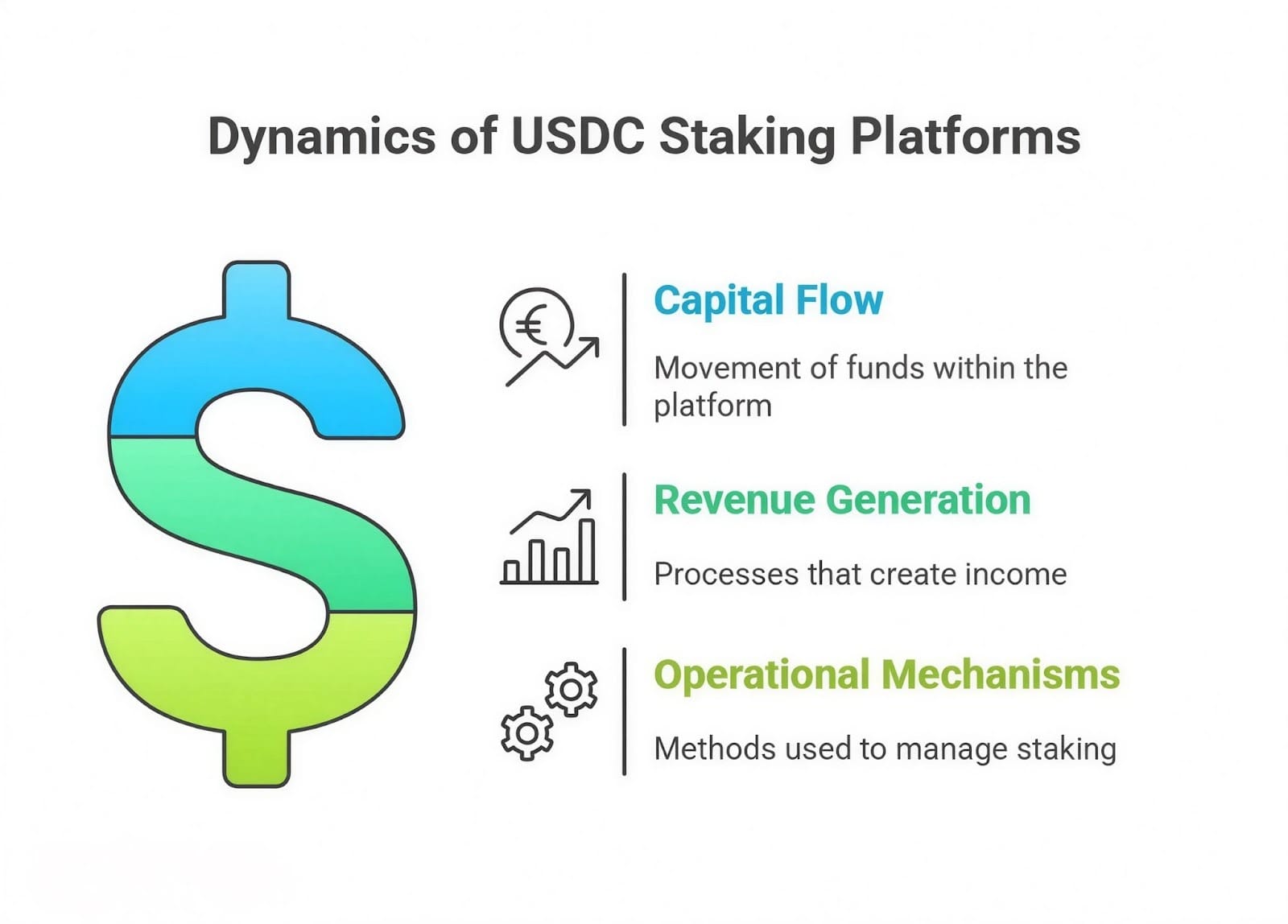
You can generate yield by lending your USDC through regulated platforms or centralized exchanges that offer interest-bearing wallets. For example, some platforms allow you to deposit USDC into a savings account or lending pool to earn a percentage return. Always verify the platform's insurance coverage and regulatory status, as yield comes with counterparty risk.
What are red flags when renting with crypto?
Watch out for landlords who refuse to provide a receipt or lease agreement, or those who pressure you to pay in non-standard, untraceable tokens. USDC on public blockchains is transparent; if a landlord asks you to send funds to a private, unverified wallet without a contract, it is a major warning sign. Legitimate crypto rentals should still adhere to standard tenant screening and legal lease requirements.
No comments yet. Be the first to share your thoughts!