The USDC rental payment landscape
USDC has moved from a speculative crypto asset to a functional tool for real estate transactions, but the infrastructure supporting it remains fragmented. You generally cannot simply send USDC from your wallet to a landlord’s address. Instead, the market has split into two distinct models: direct acceptance platforms and third-party settlement layers that bridge the gap between blockchain and traditional banking.
Direct acceptance is rare and mostly limited to specific property management software or platforms like Rent.App, which allow tenants to pay in USDC or USDT with minimal friction. In these cases, the tenant sends stablecoins directly to a designated wallet, and the platform handles the conversion or holds the funds in custody. This method offers speed and lower fees but requires the landlord to have a clear strategy for converting those dollars into fiat for operating expenses.
The more common model involves third-party settlement layers. Services like TrustLinq act as intermediaries, accepting USDC from tenants and settling the payment with the landlord via traditional bank transfer (ACH or wire). This approach effectively decouples the blockchain transaction from the landlord’s bank account, allowing property managers to accept crypto without managing private keys or dealing with volatile exchange rates. For the tenant, this means using crypto to pay a bill that still appears as a standard electronic payment on the landlord’s end.
Settlement layers and payment rails
Paying rent with USDC relies on two distinct technical paths: direct on-chain transfers for landlords who hold crypto, and fiat off-ramps for those who prefer traditional bank deposits. The choice between these rails determines transaction speed, cost, and the level of self-custody required. Understanding the infrastructure behind each method helps you select the most reliable route for your specific situation.
Direct on-chain transfers
When a landlord accepts USDC directly, the transaction occurs entirely on the blockchain. You send tokens from your wallet to their provided wallet address. This method is the most transparent and immediate, as the transfer settles on-chain without intermediary banks. However, it requires the landlord to have a compatible crypto wallet and understand how to verify incoming transactions. Network choice matters here; using low-fee chains like Solana or Polygon can reduce costs significantly compared to Ethereum mainnet, though compatibility with the landlord's wallet is the primary constraint.
Fiat off-ramp services
For landlords who do not manage private keys, fiat off-ramp services bridge the gap between crypto and traditional finance. These platforms allow you to send USDC, which the service then converts to USD and deposits into the landlord's bank account. This process introduces a settlement layer that handles compliance and currency conversion. While it expands the pool of potential landlords, it adds a processing fee and a slight delay as the fiat transfer clears through traditional banking rails. Services like TrustLinq and others facilitate this by managing the regulatory and banking interfaces on the backend.
Network stability and fees
The reliability of USDC payments depends heavily on the underlying blockchain's stability and fee structure. USDC is issued across multiple networks, including Ethereum, Solana, Arbitrum, and others. Each network has different transaction finality times and gas costs. For rent payments, consistency is key; you want a network that rarely experiences congestion spikes that could delay your payment. Always verify which networks your landlord supports before initiating a transfer to avoid failed transactions or unnecessary bridge fees.
Choosing the right rail
Selecting the appropriate payment rail comes down to your landlord's technical comfort and your need for privacy. Direct transfers offer the lowest fees and fastest settlement but require crypto literacy on both ends. Off-ramp services provide convenience and bank compatibility but involve third-party trust and higher costs. Evaluate the total cost of transfer, including network gas and service fees, against the convenience factor. For recurring payments, automating the process through a dedicated platform can reduce manual errors and ensure timely rent delivery.
Tools for tenants and landlords
Paying rent in USDC removes the friction of traditional banking, but the experience varies depending on who you are and how you choose to pay. The landscape splits into two distinct paths: direct wallet transfers for landlords who already hold crypto, and payment processors that convert USDC to fiat for traditional landlords.
For tenants, the most common friction point is getting the landlord to accept the payment. Apps like Rent.App bridge this gap by allowing users to pay in USDC or USDT with no platform fees. The process is straightforward: you create a wallet, input your lease details, and the platform handles the conversion. If your landlord is crypto-native, you can skip the middleman entirely. Ask for their wallet address and preferred network (usually Ethereum, Polygon, or Solana for lower fees) and send the funds directly. This method is instantaneous and avoids the 2.5% processing fees often attached to credit card payments, a benefit highlighted by users on crypto forums who switched specifically to avoid those costs.
Landlords face a different set of challenges, primarily around compliance and cash flow. Most traditional property managers do not want to hold volatile assets, even stablecoins. This is where infrastructure providers like Reap come in. Reap integrates USDC directly into banking workflows, allowing landlords to receive crypto and immediately settle in fiat dollars, or hold USDC for operational expenses. This dual capability is critical for property management firms that need to pay vendors and staff in traditional currency while collecting rent in digital dollars.
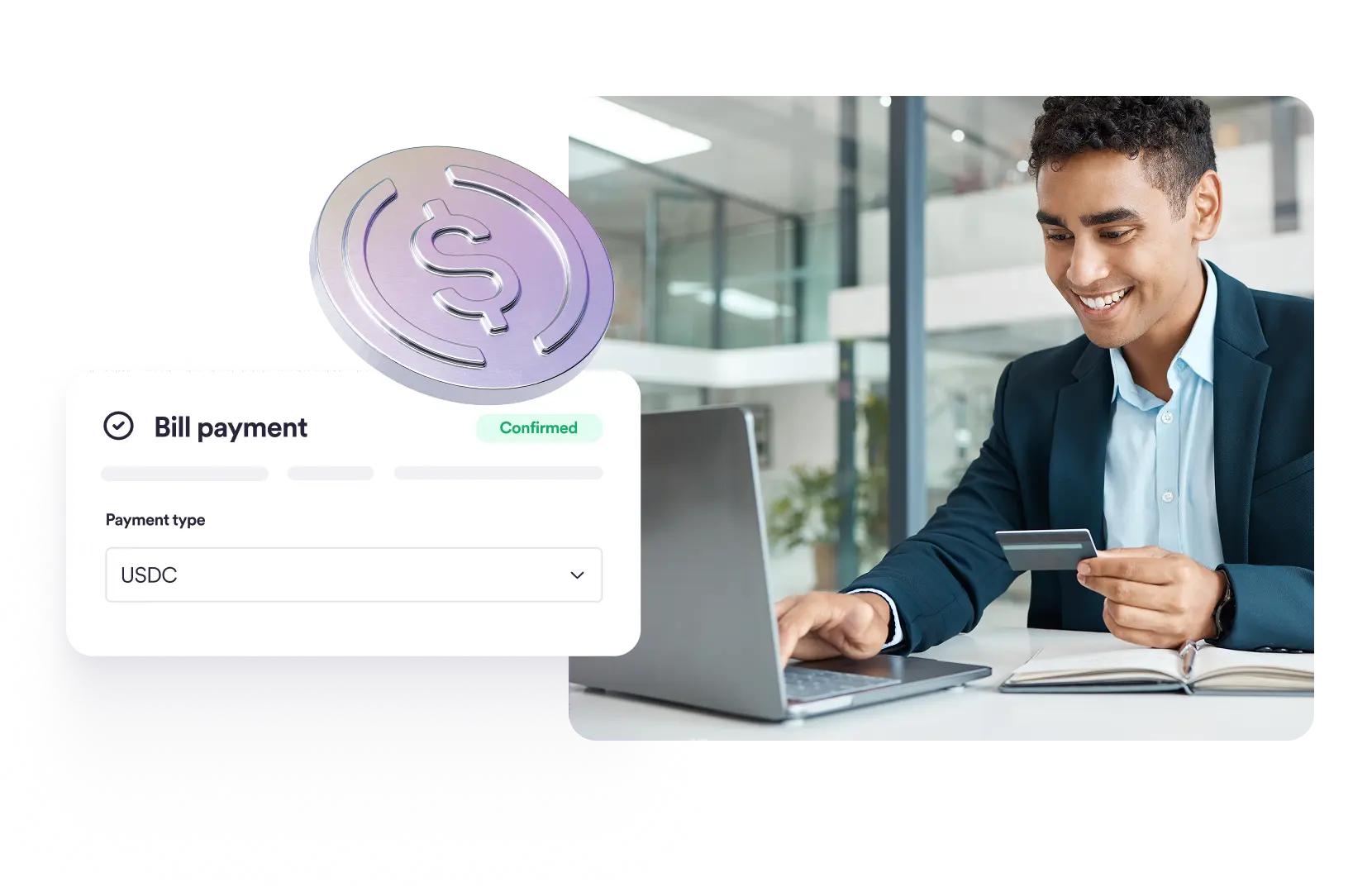
The choice of tool ultimately depends on your risk tolerance and technical comfort. Direct transfers offer the lowest cost but require the landlord to manage private keys and understand blockchain networks. Payment processors offer convenience and fiat settlement but may introduce slight delays or KYC requirements. For most tenants, a zero-fee app like Rent.App is the easiest entry point. For landlords, integrating with a banking partner like Reap ensures you can accept USDC without exposing your business to crypto custody risks.
Security is non-negotiable when moving significant funds like monthly rent. If you are sending USDC directly from a self-custody wallet, ensure your device is secure. Hardware wallets provide an offline layer of protection that software wallets cannot match, reducing the risk of phishing or remote hacks. For landlords managing multiple tenants, using a dedicated business wallet separated from personal funds is a best practice to maintain clear accounting records.

As an Amazon Associate, we may earn from qualifying purchases.
Risks and compliance considerations
Renting property with USDC sits at the intersection of traditional real estate law and emerging digital asset regulations. While the technology offers speed and lower transaction fees, it does not exempt landlords from existing legal obligations. You are still bound by local housing codes, tenant protection laws, and contract enforcement standards that apply to any rental agreement.
The most immediate hurdle is regulatory uncertainty. Most jurisdictions have not yet defined how stablecoins should be treated under landlord-tenant statutes. This creates a gray area where standard legal precedents may not directly address disputes involving cryptocurrency payments. If a tenant defaults or a security deposit is disputed, the mechanism for resolution remains unclear in many courts.
Tax implications are equally complex. The IRS treats cryptocurrency, including stablecoins like USDC, as property, not currency. This means every transaction you receive for rent triggers a taxable event. You must track the fair market value of USDC in USD at the exact moment of receipt to calculate capital gains or ordinary income. Failure to report these transactions accurately can lead to significant penalties.
Beyond taxes, you must consider the stability of the asset itself. While USDC is pegged to the dollar, it is not immune to de-pegging events or regulatory actions against its issuer. Unlike a bank transfer, which is settled in fiat currency, a USDC payment relies on the integrity of the underlying blockchain and the custodial services involved. A temporary outage or freeze by the issuer could delay your access to funds, potentially impacting your ability to pay mortgages or maintenance costs on time.
Finally, ensure your lease agreements explicitly state the terms of payment. Specify whether the tenant is responsible for any network gas fees and how disputes over the USD value at the time of payment will be resolved. Without clear contractual language, you may find yourself without legal recourse if the value of the asset shifts significantly between the lease signing and the rent due date.
Getting started with USDC rent
Before you send payment, confirm the landlord’s preferred network and wallet address. USDC exists on multiple chains, and sending it to the wrong one can result in lost funds. If the landlord needs fiat, use a payment processor that auto-converts.
Ask your landlord which blockchain network they use for USDC transactions. Common options include Ethereum, Polygon, Solana, and Base. Ensure your wallet supports the same network to avoid sending funds to an incompatible address.
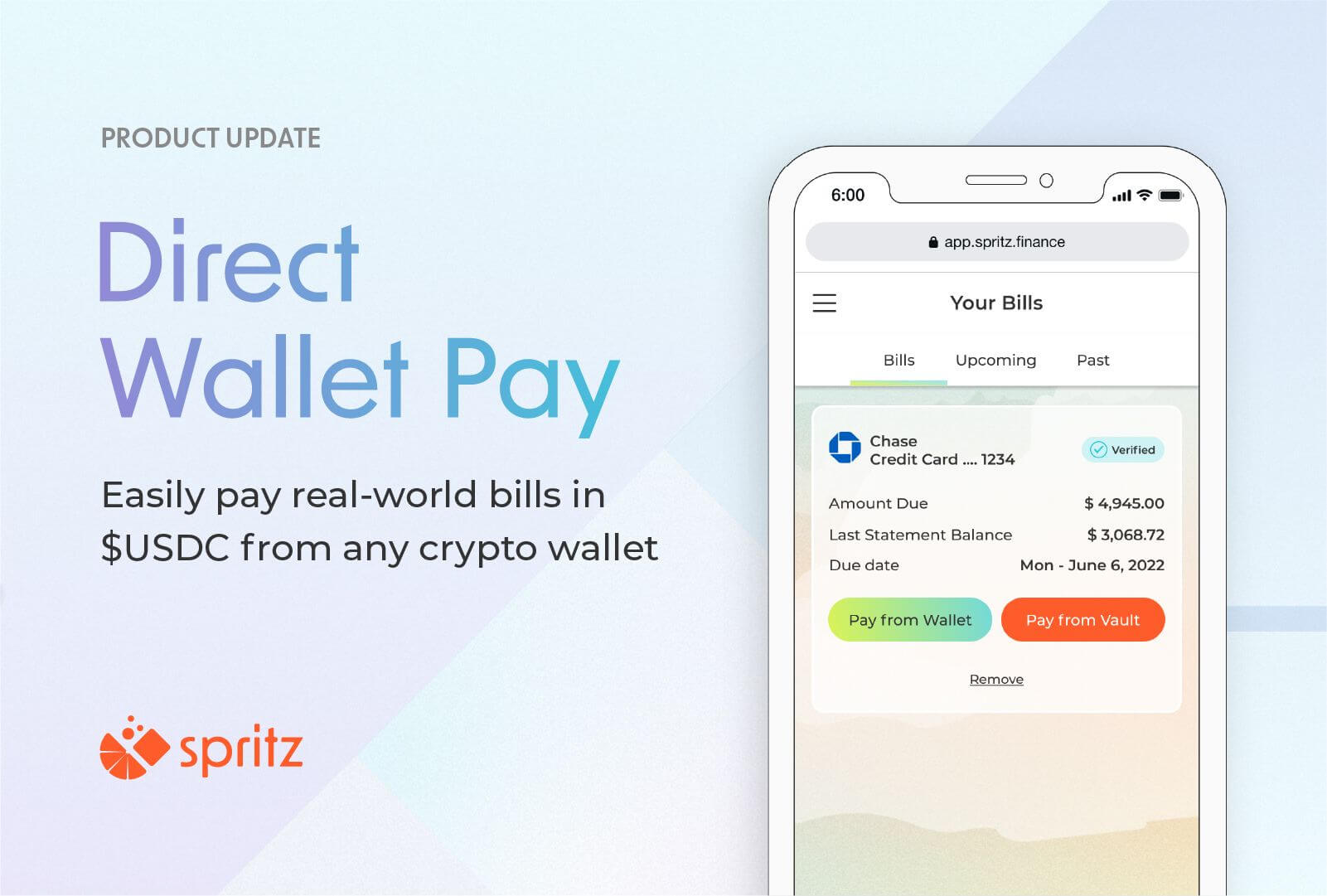
Copy the wallet address directly from your landlord or lease agreement. Never rely on clipboard history for crypto addresses, as malware can replace them. Double-check the first and last six characters before proceeding.
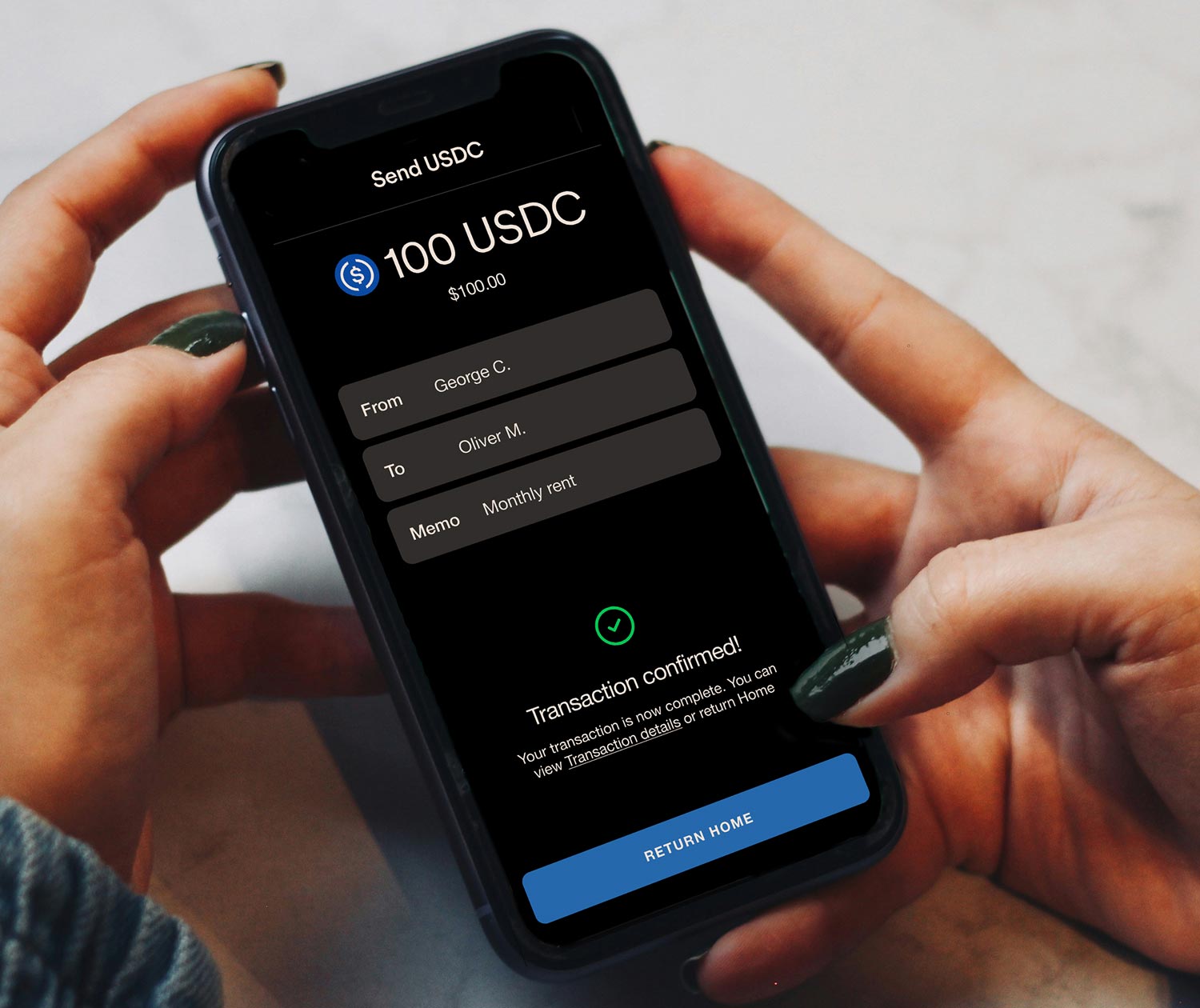
Start with a small amount to confirm the address and network are correct. Once the test payment arrives and is confirmed, you can proceed with the full rent payment. This step prevents costly mistakes due to typos or network mismatches.
No comments yet. Be the first to share your thoughts!