Why rent with USDC now
The conversation around cryptocurrency has shifted. While much of the market's attention remains fixed on volatile assets, stablecoins like USDC are quietly becoming the plumbing for real-world transactions. For renters and landlords in 2026, the question is no longer whether digital dollars are secure, but whether the infrastructure is ready for everyday use. The answer is increasingly yes, driven by speed, lower costs, and growing acceptance.
Traditional rent payments often rely on ACH transfers or paper checks, processes that can take several days to clear and often involve hidden fees. ACH transactions, for instance, are not instantaneous; they move on banking days and can be delayed by weekends or holidays. Wire transfers are faster but come with steep fees that can range from $15 to $50 per transaction. USDC, by contrast, settles on-chain in minutes, regardless of the time of day or day of the week. This immediacy removes the friction of "pending" status, giving landlords immediate access to funds and renters peace of mind.
The cost advantage is equally compelling. Sending USDC typically costs a fraction of a cent to a few cents, depending on the network used, compared to the flat fees associated with traditional banking rails. For landlords managing multiple units, these savings compound significantly. Even for individual renters, avoiding wire fees and potential late fees caused by banking delays adds up over time.
This efficiency is not just theoretical. Platforms like Rent.App have already integrated USDC and USDT payments, allowing users to pay rent with no additional fees. These tools bridge the gap between crypto holdings and traditional obligations, making digital dollars a practical utility rather than a speculative asset. As more landlords adopt these systems, the network effect will likely accelerate, making USDC a standard option for rent payments in the near future.
Settlement rails for USDC rent
When you send USDC, you are choosing a settlement rail. The two main paths are direct on-chain transfers and fiat-gateway apps. Each path handles speed, cost, and landlord acceptance differently.
Direct on-chain transfers move USDC from your wallet to the landlord’s wallet. This is the fastest and cheapest option. Transactions settle in seconds on networks like Solana or Base. Fees are often fractions of a cent. The downside is that most landlords do not have a crypto wallet. They need fiat in their bank account.
Fiat-gateway apps solve this problem. You send USDC to the app. The app converts it to dollars and deposits it into the landlord’s bank account. This makes crypto rent payments accessible to anyone with a traditional bank account. However, this convenience comes with trade-offs. Settlement takes 1-3 business days. Fees are higher, typically 1-3%. Some apps charge flat fees per transaction.
The choice depends on your landlord’s setup. If they accept crypto directly, use on-chain transfers. If they need fiat, use a gateway app. Here is a comparison of the two methods.
| Feature | Direct On-Chain | Fiat Gateway App |
|---|---|---|
| Settlement Speed | Seconds | 1-3 Business Days |
| Cost | < $0.01 | 1-3% + Flat Fee |
| Landlord Requirement | Crypto Wallet | Bank Account |
| Complexity | High (Self-Custody) | Low (App-Based) |
Price and Market Context
USDC price stability is critical for rent payments. You want to know exactly what you are paying. USDC is designed to stay at $1.00. This makes it a reliable medium of exchange for recurring payments like rent.
For technical analysis of USDC’s peg stability, you can look at the chart below. This helps you understand any minor fluctuations in the market.
Automate rent with USDC
Setting up recurring rent payments in USDC is less about complex coding and more about choosing the right infrastructure for your specific situation. The process generally splits into two paths: paying your landlord directly in stablecoins or using a third-party service that handles the conversion to fiat. Both methods offer speed and transparency, but they require different setups.
Choose your payment path
The first decision is whether your landlord wants dollars or crypto. If they accept USDC directly, you will need their wallet address and the specific blockchain network they use (such as Ethereum, Polygon, or Solana). Sending to the wrong network can result in lost funds, so this verification is critical.
If your landlord prefers traditional currency, you will need a payment processor that supports auto-conversion. These services hold your USDC and automatically pay your landlord in USD on the due date. This approach removes the volatility risk for the landlord while keeping you within the crypto ecosystem. Services like COCA offer features specifically designed for this auto-convert workflow, simplifying the process for both parties.
Set up the recurring payment
Once you have selected your path, the setup involves linking your funding source to the payment schedule. For direct wallet payments, you might use a wallet interface that supports scheduled transactions or a dedicated dApp that manages the recurring logic. Ensure your wallet has enough USDC to cover the rent plus any potential network gas fees.
For auto-convert services, you typically link a bank account or a crypto wallet as the funding source. You then define the rent amount, the due date, and the recipient. The platform handles the rest, executing the conversion and transfer automatically. This step is where you establish the "set it and forget it" rhythm of your rent payments.
Verify and test
Before fully relying on automation, always run a small test transaction. Send a minimal amount (e.g., $10) to ensure the funds arrive correctly and on time. This step confirms that the wallet address is valid, the network is correct, and the conversion rate is applied as expected. Once the test is successful, you can confidently set up the full rent amount for the upcoming cycle.
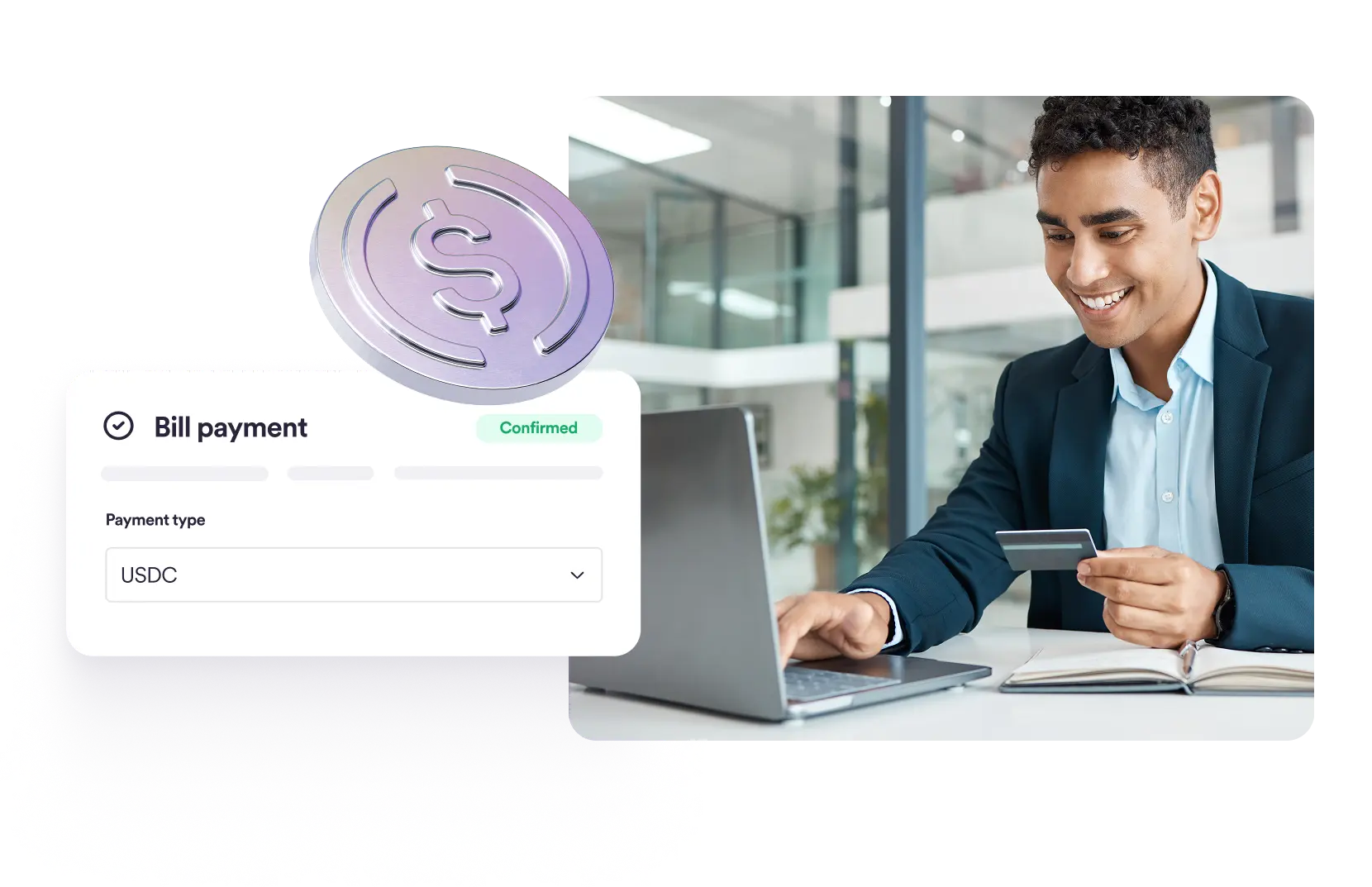
Confirm if your landlord accepts USDC directly or requires fiat. If direct, get their wallet address and preferred network (e.g., Polygon, Ethereum). If fiat is needed, identify a payment processor that supports auto-conversion.
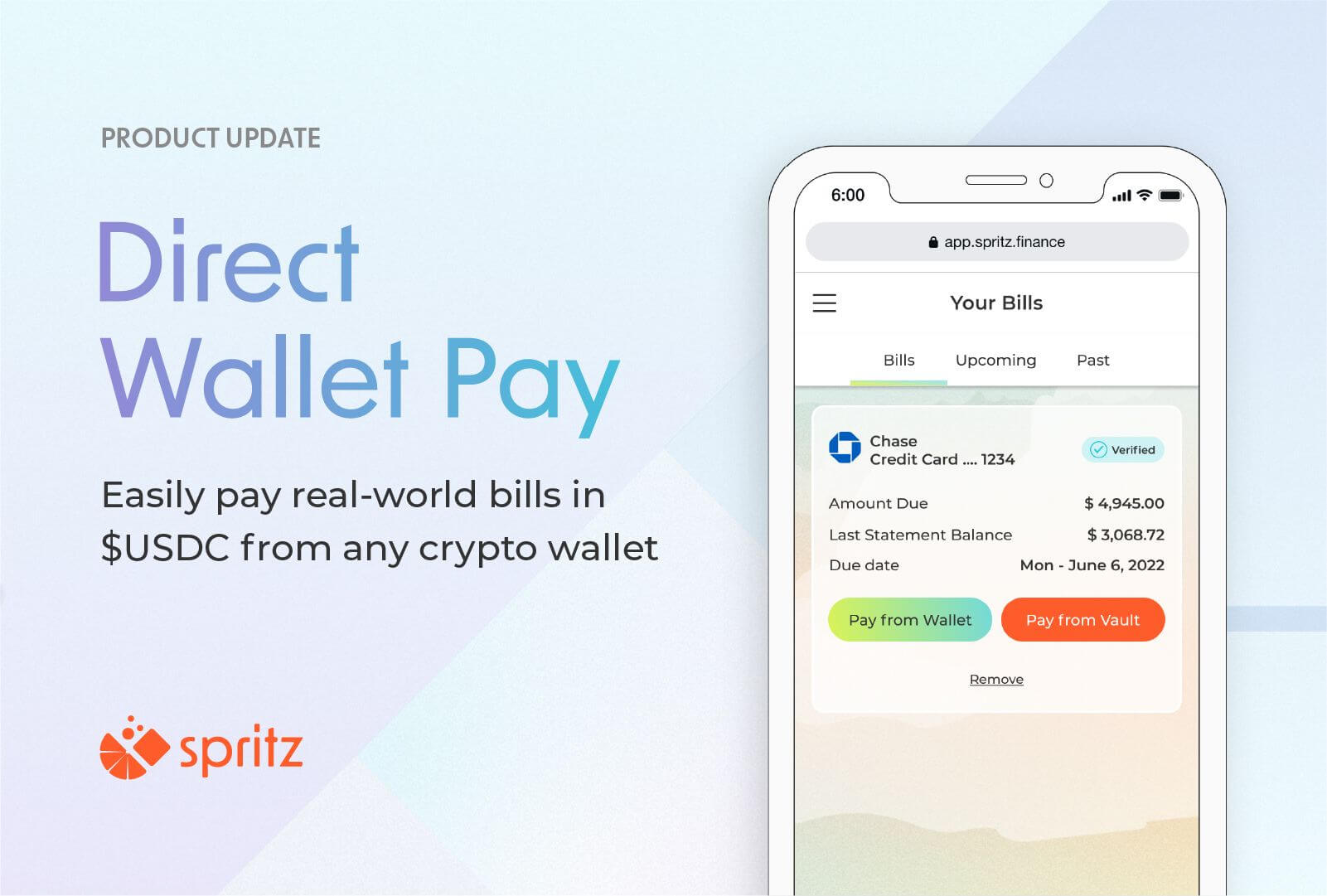
Choose a wallet or service that matches your needs. For direct payments, use a wallet with scheduled transaction features. For fiat conversion, sign up for a service like COCA that automates the USDC-to-USD exchange and payout.
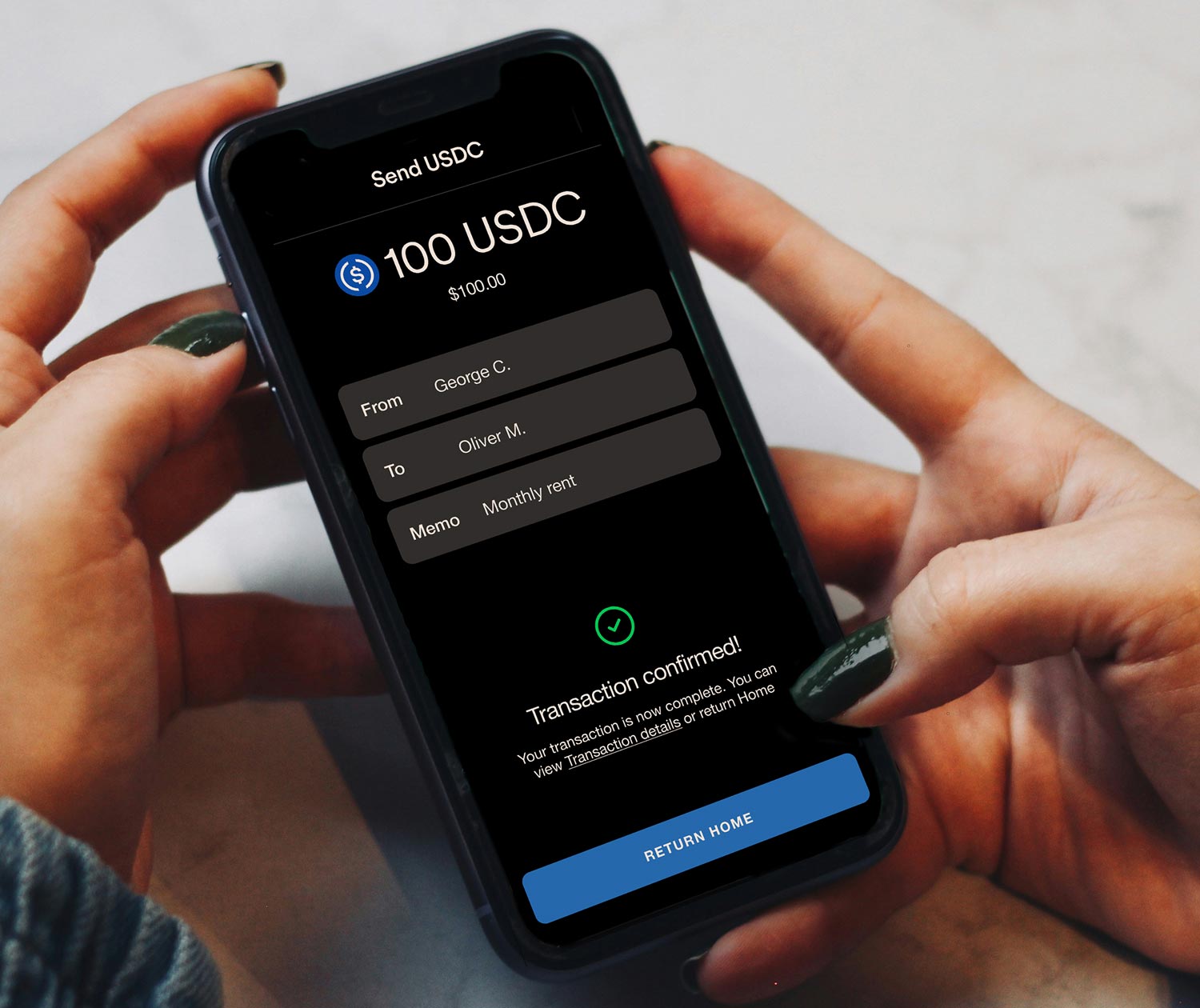
Input the rent amount, due date, and recipient details. Link your funding source (wallet or bank). Ensure you have a buffer for network fees if paying directly, or confirm the service fee structure if using a processor.

Send a small test amount ($10–$20) to verify the flow. Check that the landlord receives the funds on time and that the conversion rate (if applicable) is fair. Once confirmed, activate the full recurring payment.
The chart above shows the stability of USDT against the USD, a proxy for USDC's peg. As you can see, the price remains tightly bound to $1.00, which is essential for predictable rent payments. This stability ensures that your landlord receives the expected value, regardless of broader market fluctuations.
Checklist for setup
-
Landlord wallet address and network confirmed
-
Payment processor selected (if auto-converting)
-
Funding source linked and funded
-
Test transaction sent and verified
-
Recurring schedule activated
Market risks and compliance
Using stablecoins for rent sounds simple, but it introduces a layer of complexity that traditional cash or check payments do not. For landlords and tenants alike, the shift to digital assets means navigating a patchwork of regulations that vary wildly by jurisdiction. What works in one city might be illegal or heavily restricted in another, making local compliance the first hurdle before you even set up a wallet.
Regulatory compliance
The legal landscape for crypto rentals is still evolving. In many areas, rent paid in digital assets is treated as taxable income, similar to fiat currency. However, some local housing authorities have specific rules about how rental income must be reported or whether crypto can be used as a legal tender for housing contracts. For instance, in Washington D.C., landlords must understand how rental housing laws apply to digital transactions, particularly regarding tenant protections and dispute resolution. Ignoring these local nuances can lead to fines or invalid leases.
Note: Always check your local housing authority and tax codes before accepting cryptocurrency. Regulations change frequently, and what is legal today may not be tomorrow.
Tax implications
From a tax perspective, the IRS and other global tax bodies generally view cryptocurrency as property, not currency. This means every transaction—whether you receive rent or pay a utility bill in USDC—could trigger a taxable event. Landlords must track the fair market value of USDC at the exact moment of receipt. Tenants, meanwhile, need to ensure they are not inadvertently creating a capital gains liability for themselves by spending or converting their crypto before paying rent. Keeping meticulous records of these transactions is essential to avoid audits.
Counterparty and market risks
While USDC is designed to maintain a 1:1 peg with the US dollar, no digital asset is entirely immune to market volatility or technical failures. Although major stablecoins are backed by reserves, past market shocks have shown that temporary de-pegging can occur. Additionally, smart contract vulnerabilities or exchange hacks pose a risk if funds are held on centralized platforms rather than in self-custody wallets. Landlords should consider using multi-signature wallets or reputable payment processors that offer instant fiat conversion to mitigate these exposure risks.
The chart above shows the recent stability of USDC against the US dollar. While it generally holds its peg, the slight fluctuations visible in the volume bars highlight why real-time monitoring is important for high-stakes transactions like monthly rent.
Frequently asked: what to check next
Is USDC always $1?
Yes. USDC is a stablecoin pegged 1:1 to the US dollar. It is not like Bitcoin, which fluctuates wildly. Every USDC is backed by cash and short-term US Treasuries, making it a stable unit of account for rent. You can verify the peg using the Circle Explorer or a live [PriceWidget symbol="USDC" assetType="crypto" tvSymbol="BINANCE:USDCUSD" />] widget.
How much is $100 in USDC?
One hundred USDC is exactly $100. The conversion is 1:1. The only cost you might face is a small network fee (gas) to move the tokens, or a conversion fee if you are swapping from another cryptocurrency. The value itself remains constant.
Can I convert my USDC to cash?
Yes. You can sell USDC on major exchanges like Coinbase or Kraken and withdraw the proceeds to your bank account. Alternatively, some landlords accept USDC directly, allowing you to pay without converting to fiat first. If your landlord needs dollars, use a service that auto-converts at the point of sale.
What should I do with USDC?
For rent, hold USDC in a self-custodial wallet or a reputable exchange until payment is due. Avoid lending it out for high yields if you need guaranteed liquidity for your lease. Once the rent is due, send it to your landlord’s address or convert it to fiat if they prefer traditional banking.
Helpful gear
Use these product recommendations as a starting point, then choose the size, material, and price point that fit how you actually use the gear.


As an Amazon Associate, we may earn from qualifying purchases.
No comments yet. Be the first to share your thoughts!