Verify landlord acceptance first
Before you set up any automation or connect a wallet, you need to confirm whether your landlord actually accepts USDC. This is the single most important step in the process. If your landlord is not set up to receive digital assets, no amount of technical configuration will make the payment go through smoothly.
Most landlords still operate on traditional banking rails. They expect rent to arrive in their checking account as fiat currency, not as a cryptocurrency token on a blockchain. If you send USDC directly to a wallet address they don't monitor or understand, the payment will likely be lost, or worse, they may refuse to accept it as valid rent, leading to late fees or eviction notices.
There are generally two ways this works. First, some landlords or property management companies have adopted crypto payments directly. In this case, they will provide you with a specific wallet address and specify which network (like Ethereum, Polygon, or Solana) they use. You must verify the network carefully, as sending USDC on the wrong chain can result in permanent loss of funds.
Second, many landlords prefer to receive dollars but are willing to accept USDC if you use a bridge. These are specialized payment platforms that convert your USDC into fiat currency and deposit it into the landlord’s bank account. If your landlord falls into this category, you don't send crypto directly. Instead, you use a service that handles the conversion and settlement for you. Check with your landlord or property manager to see if they have a preferred vendor or if they accept direct crypto payments.
Compare direct transfers against app-mediated bank settlement
You have two ways to move USDC when paying rent. The first is a direct on-chain transfer where you send tokens from your wallet straight to the landlord’s wallet address. The second is an app-mediated bank settlement where a platform like TrustLinq or Rent.App acts as the bridge, converting your crypto into traditional bank currency before it hits the landlord’s account.
Choosing between these rails depends on one question: does your landlord accept cryptocurrency directly? If they do, a direct transfer is the most efficient path. If they require standard fiat currency in their bank account, you need an app that handles the conversion and settlement for you.
| Feature | Direct On-Chain Transfer | App-Mediated Bank Settlement |
|---|---|---|
| Landlord receives | USDC or other crypto | Fiat currency (USD, EUR, etc.) |
| Speed of settlement | Minutes | 1-3 business days |
| Fees | Network gas fees only | Platform transaction fee |
| Complexity | Requires landlord wallet setup | Handled automatically by platform |
Direct on-chain transfer
This method involves sending USDC directly from your self-custodial wallet (like MetaMask or Rabby) to the landlord’s public wallet address. It is the purest form of crypto payment. There are no intermediaries, no bank accounts involved, and no conversion fees beyond the minimal network gas fees required to process the transaction on the blockchain.
The primary advantage is speed and transparency. The landlord receives the funds in minutes, not days. However, this option requires the landlord to be comfortable holding and managing cryptocurrency. They must have a secure wallet set up and be willing to accept digital assets as payment for housing, which can be a significant barrier for many traditional landlords.
App-mediated bank settlement
Platforms like TrustLinq and Rent.App solve the landlord’s reluctance to hold crypto. You pay the platform in USDC, and they handle the regulatory compliance, conversion to fiat, and deposit into the landlord’s traditional bank account. The landlord sees a standard bank deposit, not a crypto transaction.
This approach is more convenient for the majority of renters because it requires no special knowledge or setup from the landlord. The trade-off is slightly higher cost and slower settlement times. The platform charges a transaction fee for the conversion and banking services, and it typically takes 1-3 business days for the funds to clear in the landlord’s account due to traditional banking processing times.
Set up automated monthly payments
Automating your rent with USDC removes the guesswork from due dates and ensures your landlord receives payment on time, every time. The process is straightforward: you configure a recurring transaction that pulls from your wallet and sends to your landlord’s address without manual intervention. This setup acts as a digital autopilot for your housing costs, protecting you from late fees and providing a clear, immutable record of each payment.
1. Confirm payment details with your landlord
Before configuring any software, you need two critical pieces of information: your landlord’s wallet address and the preferred blockchain network. USDC exists on multiple chains (such as Ethereum, Solana, or Polygon), and sending it on the wrong network can result in lost funds or additional conversion fees.
If your landlord accepts USDC directly, ask for their specific wallet address. If they prefer traditional dollars, identify a payment processor that supports auto-conversion from USDC to fiat, as this changes the technical setup entirely.
2. Choose your automation tool
Select a platform that supports recurring stablecoin payments. Popular options include crypto-native payment processors or decentralized finance (DeFi) protocols that offer "recurring swap" or "auto-pay" features. Ensure the tool you choose supports the specific network your landlord uses.
Look for platforms that offer:
- Recurring Transaction Scheduling: Ability to set specific dates (e.g., the 1st of every month).
- Network Compatibility: Support for the chain where your landlord’s wallet resides.
- Security Features: Multi-signature requirements or clear transaction limits.
3. Configure the recurring payment
Once your tool is selected, input the landlord’s wallet address and set the payment amount. Most platforms allow you to set a fixed USDC amount or a variable amount based on current exchange rates if converting from another asset.
Set the frequency to "Monthly" and select the specific day of the month you wish to pay. It is often wise to schedule the automation a few days before the actual due date to account for potential network congestion or processing delays. This buffer ensures the transaction confirms on-chain before the deadline.
4. Fund your wallet and verify the first run
Load your wallet with enough USDC to cover at least two months of rent. This ensures that if a transaction fails or requires gas fee adjustments, you have a backup.
Run a test transaction if the platform allows it, or monitor the first automated payment closely. Check the blockchain explorer to confirm the transaction was received by the landlord’s address. Once verified, the automation is live, and you can remove the manual task from your monthly to-do list.
5. Set up alerts and backups
Automation is only as good as its monitoring. Enable push notifications or email alerts for every transaction your tool executes. This way, you are immediately notified if a payment succeeds, fails, or is pending.
Keep a manual backup plan. In the rare event that your automation tool goes offline or your wallet is compromised, you should have your landlord’s address saved in your contacts so you can send a one-time payment manually without delay.
Avoid common settlement mistakes
Paying rent in USDC removes the friction of traditional banking, but it doesn’t remove the responsibility. A single error in the transaction details can result in lost funds or delayed payments. Unlike credit card disputes, blockchain transactions are final. You need to verify three specific areas before confirming the transfer.
Check the network compatibility
The most frequent mistake is selecting the wrong blockchain network. USDC exists on Ethereum, Polygon, Solana, and several other chains. If your landlord’s wallet is on Polygon, sending USDC via Ethereum will result in a failed transaction or, worse, funds sent to an address that cannot access them.
Always confirm the exact network with your landlord. Most wallets allow you to switch networks, but you must ensure the recipient address format matches the selected chain. Sending USDC on the wrong network is like mailing a package to the correct street but the wrong city.
Ensure sufficient gas fees
You might have enough USDC to cover the rent, but the transaction will fail if you don’t account for network gas fees. Gas is the fee paid to the network validators to process your transaction. If your wallet balance is exactly equal to the rent amount, the transaction will be rejected for insufficient funds.
Keep a small buffer of the native token (ETH, MATIC, SOL, etc.) in your wallet to cover these costs. Do not rely on the USDC balance alone to pay for the transaction itself. This buffer should be maintained in your wallet at all times, not just during payment windows.
Verify tax reporting clarity
Crypto payments are taxable events in many jurisdictions. Even if you are simply transferring stablecoins, the IRS and other tax authorities may view the transaction as a disposal of assets, potentially triggering capital gains calculations depending on your local laws. This confusion often leads to missed reporting deadlines.
Consult a tax professional familiar with cryptocurrency transactions before setting up automated rent payments. Keep detailed records of every transaction, including the date, amount, and network used. This documentation will simplify your annual tax filing and prevent surprises.
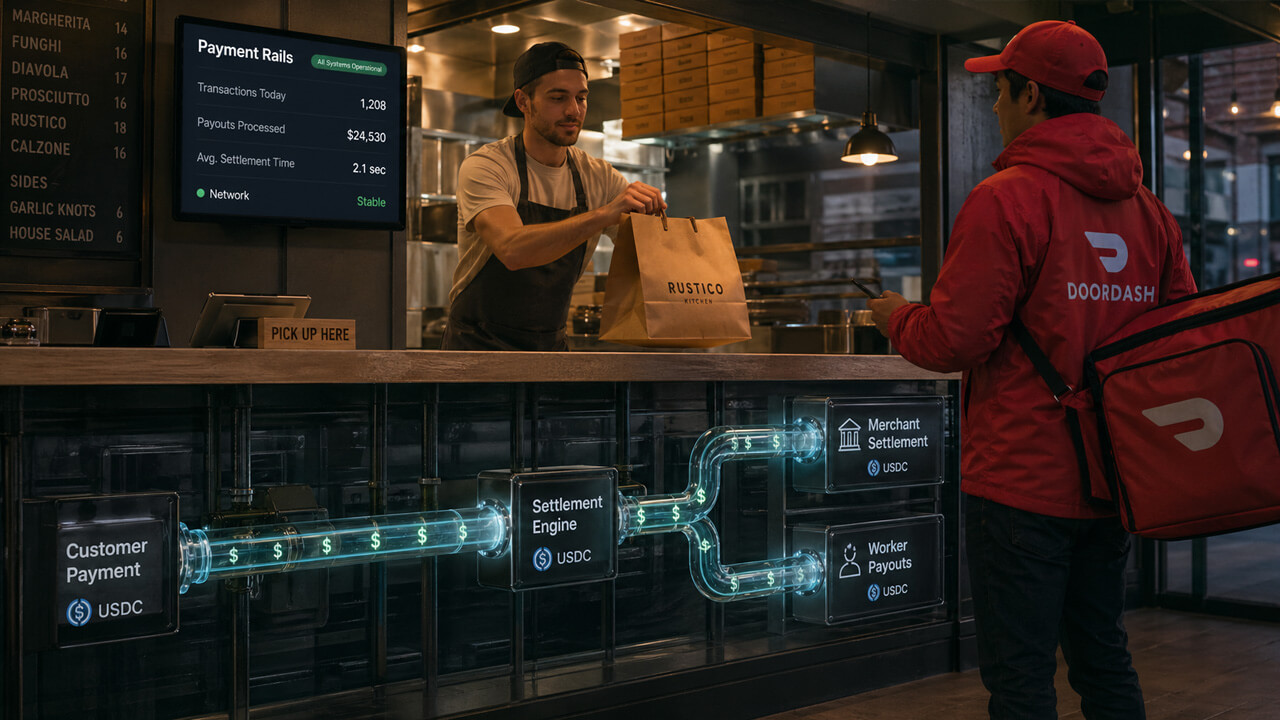
Pre-payment verification checklist
-
Confirm the recipient’s wallet address character-by-character.
-
Verify the selected blockchain network matches the recipient’s.
-
Ensure your wallet holds enough native tokens for gas fees.
-
Check that the USDC amount covers the full rent due.
-
Review your local tax obligations for crypto transactions.
Frequently asked questions about USDC rent
Do I need to pay taxes on rent paid with USDC?
Yes. Paying rent with USDC is treated as a taxable event by the IRS. When you spend USDC to pay rent, you are technically selling or exchanging that digital asset. If the value of the USDC has increased since you acquired it, you may owe capital gains tax on that difference. Conversely, if the value decreased, you may realize a capital loss. Both the landlord and the tenant should keep detailed records of the transaction date, the amount of USDC sent, and the fair market value in USD at that exact moment to report on their tax returns correctly.
What happens if the transaction fails or gets stuck?
USDC transactions rely on blockchain networks, which can experience congestion or delays. If your rent payment shows as "pending" in your wallet but has not reached the landlord, do not assume it is lost. First, check a block explorer like Etherscan or Solscan using the transaction hash to see its current status. If the network fee (gas) was too low, you may need to speed it up or cancel it, depending on the blockchain. If the transaction is confirmed on-chain but the landlord hasn't received it, contact your payment provider immediately, as some apps require manual reconciliation for bank settlements.
Is it legal for landlords to accept USDC?
In most jurisdictions, including the United States, it is legal for landlords to accept USDC as a form of payment. However, the legality often depends on local rental laws and how the payment is structured. If you are using a third-party app to convert USDC to fiat (dollars) before depositing it into the landlord's bank account, the app must be compliant with local money transmission laws. Landlords should verify that the payment method does not violate their lease agreement or local housing regulations. Always consult local laws or a legal professional to ensure the arrangement is binding and compliant.
Helpful gear
Use these product recommendations as a starting point, then choose the size, material, and price point that fit how you actually use the gear.


As an Amazon Associate, we may earn from qualifying purchases.
Work through Rent With USDC Infrastructure
No comments yet. Be the first to share your thoughts!