Why USDC fits modern lease payments
Traditional rent payments are often slowed down by bank clearing times and high processing fees. USDC solves this by offering near-instant settlement with minimal costs. Unlike volatile cryptocurrencies, USDC maintains a stable 1:1 parity with the US dollar, removing exchange rate risk for both landlords and tenants.
The stability of USDC is its primary advantage. It is backed by reserves held in short-term US treasuries and cash, ensuring that the value you send is the value received. This predictability is essential for lease agreements where fixed monthly amounts are the norm. You avoid the headache of market swings affecting your ability to pay or receive rent.
To confirm the current peg and market status, you can check the live price below. This real-time data ensures you are working with accurate, provider-backed information rather than static estimates.
Security and compliance are also central to USDC’s design. Issued by Circle, a regulated financial institution, USDC adheres to strict anti-money laundering (AML) and know-your-customer (KYC) standards. This regulatory framework provides a layer of trust that decentralized, unregulated tokens cannot match, making it a safer choice for high-stakes transactions like housing payments.
Set up your USDC wallet and network
Before you can automate rent payments, you need a place to store your digital dollars and a path to send them. Setting up your USDC wallet and selecting the right blockchain network are the foundational steps for any rent automation strategy. Getting this wrong can result in lost funds or exorbitant transaction fees, so precision matters.
Choose a self-custodial or exchange wallet
Your first decision is where your USDC will live. For rent automation, you generally have two paths: a self-custodial wallet or an exchange-based account.
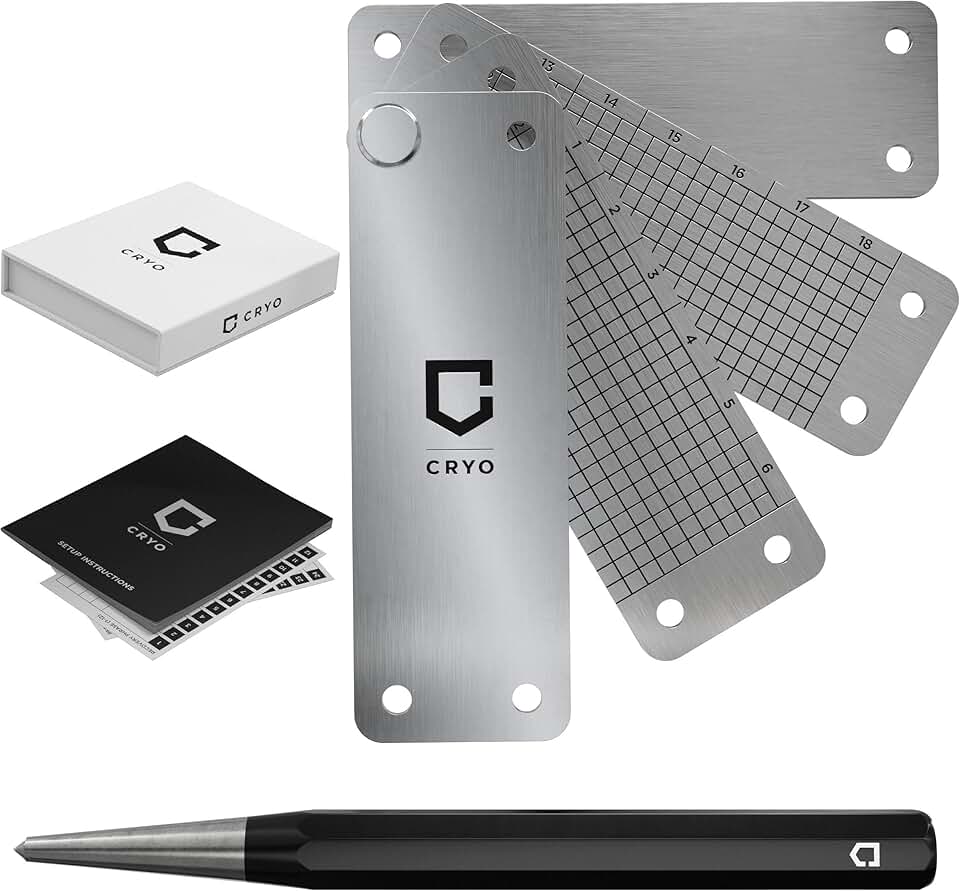
A self-custodial wallet (like Phantom, MetaMask, or Solflare) gives you full control over your private keys. This is often preferred for automation because many smart contract-based rent platforms integrate directly with these wallets. You interact with the blockchain directly, which offers transparency but requires you to manage security. If you lose your seed phrase, your funds are gone.
An exchange wallet (like Coinbase, Kraken, or Binance) holds your assets on behalf of the platform. This is easier for beginners because the exchange handles security and recovery. However, not all exchanges support direct USDC withdrawals to external wallets or smart contracts, which might limit your automation options. If you use an exchange, ensure it supports the specific network your landlord or automation tool requires.
Select the correct blockchain network
USDC exists on multiple blockchains, including Ethereum, Solana, Polygon, and Avalanche. Choosing the right one depends on your landlord's preference and your cost tolerance.
- Ethereum (ERC-20): The most widely supported network. However, gas fees can be high ($5-$20+ per transaction), which might eat into your rent payment budget. Best for large payments or if your landlord requires it.
- Solana (SOL): Known for near-instant settlements and very low fees (fractions of a cent). Growing in popularity for rent automation due to speed and cost efficiency.
- Polygon: A Layer 2 solution on Ethereum that offers low fees and high security. A good middle ground if you want Ethereum compatibility without the high gas costs.
Most automation platforms (like Rent.App or Cocoon) allow you to choose the network during setup. Ask your landlord which network they prefer. If they don't have a preference, Solana or Polygon are usually the most cost-effective choices for monthly rent payments.
Fund your wallet with USDC
Once your wallet is set up and the network is selected, you need to acquire USDC. You can buy USDC directly on major exchanges using fiat currency (USD, EUR, etc.). After purchasing, withdraw the USDC to your self-custodial wallet address on the correct network.
Always send a small test transaction first. Send $1 to verify that the address and network work correctly before transferring your full rent amount. This simple step prevents costly mistakes.


As an Amazon Associate, we may earn from qualifying purchases.
Automate monthly rent transfers
Moving from manual sends to automated recurring payments removes the risk of forgetting a due date or dealing with failed bank transfers. You have two main paths: using a third-party settlement platform that handles the crypto-to-fiat conversion, or setting up direct smart contract automation if your landlord is tech-forward.
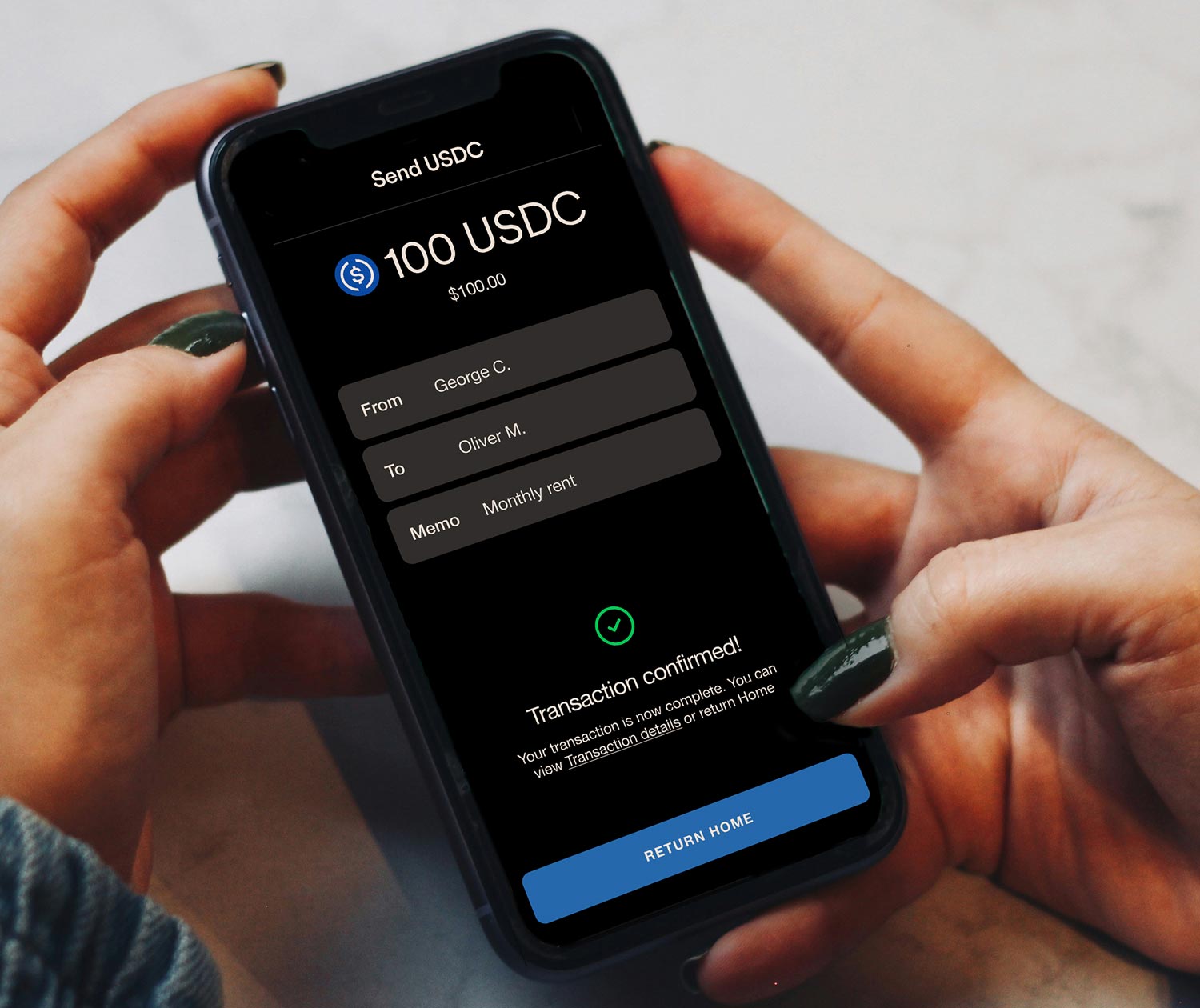
Decide if your landlord needs USDC in their wallet or actual dollars in their bank account. If they need fiat, you must use a settlement provider like Trustlinq or Rent.App. These services act as a bridge, converting your stablecoin to USD and depositing it into the landlord’s account, ensuring they never see crypto volatility while you retain the benefits of blockchain settlement.
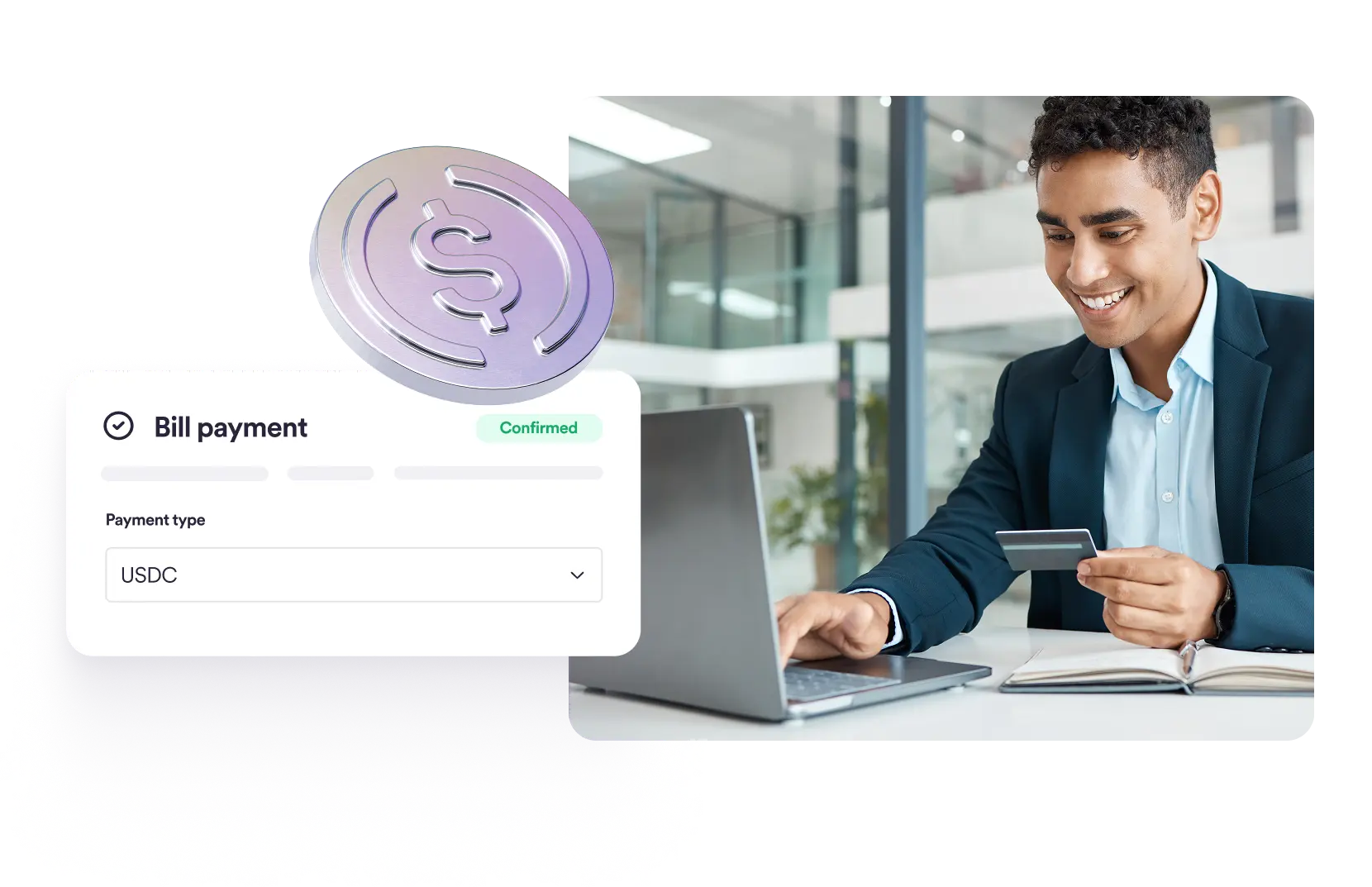
Configure the automation within your chosen platform. Most settlement apps allow you to set a fixed date for the transfer, such as the 1st or 5th of the month. You will link your USDC source wallet and confirm the recipient details. This step is critical for compliance; ensure the platform supports the specific USDC network (e.g., Ethereum, Solana, Polygon) your landlord prefers to avoid failed transactions due to network mismatches.
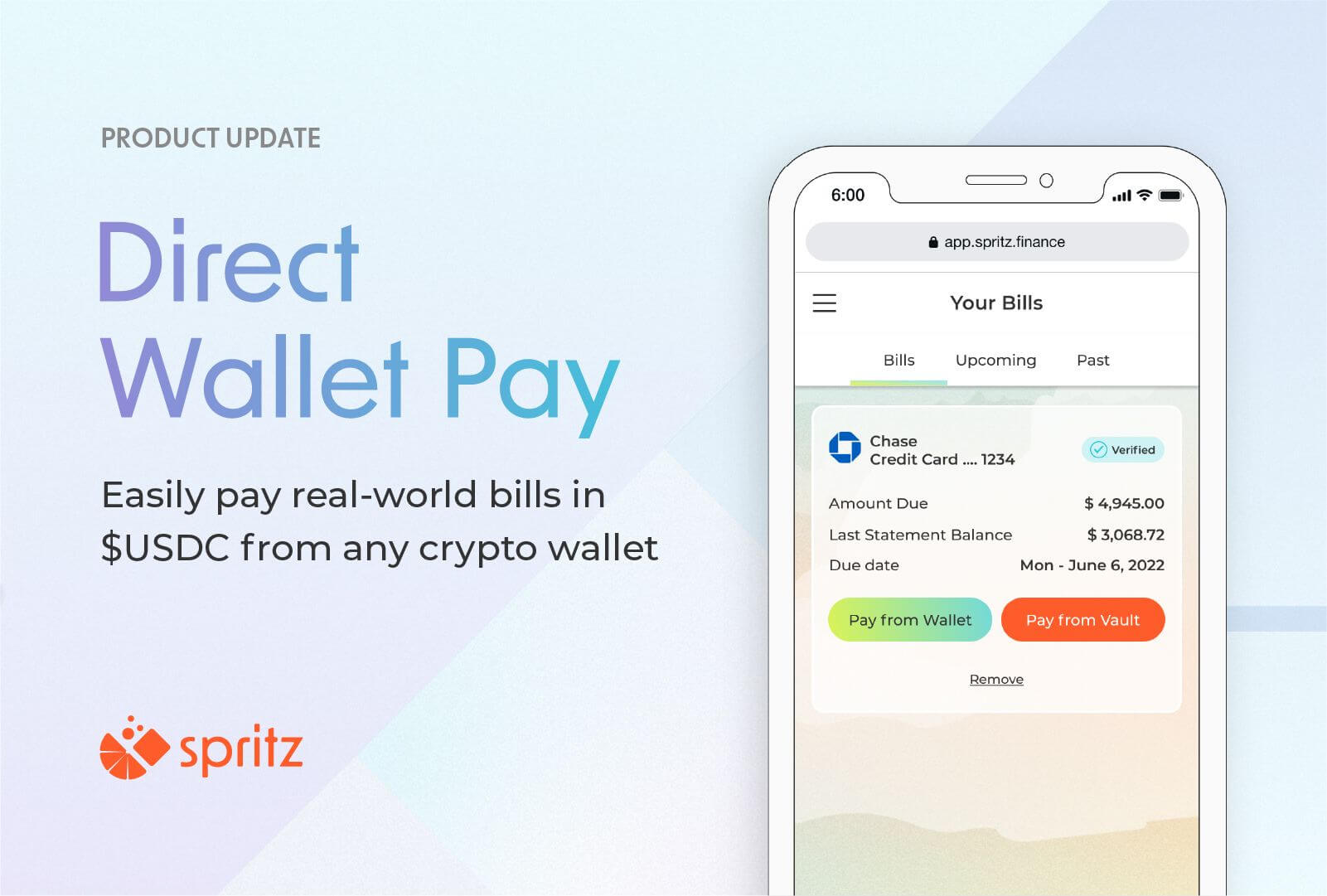
Before fully relying on automation, run a test cycle or monitor the first official payment closely. Check that the settlement provider successfully converted the USDC and that the landlord received the funds. If using direct smart contracts, verify the on-chain execution. This initial verification builds trust and allows you to catch any network congestion issues or compliance flags before they affect your tenancy.
| Method | Cost | Speed | Best For |
|---|---|---|---|
| Settlement Apps | Platform fee (usually ~1%) | 1-2 business days | Landlords needing fiat in bank |
| Direct Wallet Transfer | Network gas only | Minutes | Tech-savvy landlords accepting crypto |
When automating, always keep a small buffer of USDC in your wallet to cover potential network gas fees if you are using direct transfers. If you rely on a settlement app, ensure you understand their fee structure, as these can vary by network and transaction volume. For the most reliable experience, stick to established providers that have clear compliance records with Circle and major financial regulators.
Landlord Acceptance and Compliance
The biggest hurdle to rent-with-crypto adoption isn't the technology; it's the landlord. Most property owners operate on fiat rails. They need US dollars to pay their own mortgages, taxes, and maintenance costs, not a volatile digital asset. For USDC to work as a settlement tool, the transaction must end in traditional currency on the landlord's end.
This is where settlement providers bridge the gap. When a tenant sends USDC, an intermediary service—such as those offered by Circle or major crypto exchanges—converts the stablecoin into fiat and deposits it directly into the landlord's bank account. This process mimics a standard ACH or wire transfer but leverages blockchain for speed and transparency. The landlord sees only the USD amount, while the tenant bears the minimal fee for the conversion.
Regulatory and Tax Implications
Compliance is non-negotiable in real estate transactions involving digital assets. Landlords must understand that receiving USDC is often treated as a taxable event, similar to receiving property in exchange for services. While USDC is pegged 1:1 to the dollar, the transaction still represents income that must be reported. In addition, anti-money laundering (AML) and know-your-customer (KYC) regulations apply to the settlement providers facilitating the swap. Choosing a reputable provider ensures that both tenant and landlord remain on the right side of financial regulations.
Verifying the Settlement Rail
Before agreeing to accept USDC, landlords should verify the settlement path. Does the provider guarantee the fiat amount? What are the fees? Is the conversion instant or does it take a settlement period? A clear, documented process protects both parties from disputes over exchange rates or failed transfers. Always prioritize providers that are regulated and transparent about their compliance standards.
Common mistakes to avoid
Sending USDC to the wrong network is the most frequent error. USDC exists on multiple chains, including Ethereum, Solana, and Polygon. If you send USDC from Ethereum to a wallet expecting Solana tokens, the funds may be lost or unrecoverable. Always verify the exact network with your landlord before initiating a transfer.
Ignoring gas fees is another trap. While USDC itself has no transaction fee, the blockchain network requires gas to process the transfer. On Ethereum, these fees can spike during high traffic. If your USDC balance does not include enough ETH (or SOL, MATIC, etc.) to cover the gas, the transaction will fail. Ensure you hold a small amount of the native token for fees.
Finally, failing to get written confirmation creates legal ambiguity. A blockchain transaction is a payment record, not a lease amendment. Without explicit written consent from your landlord or property manager, paying rent in crypto may not be recognized as satisfying your lease obligation. Always get email or written confirmation that USDC payments are accepted and applied to your rent balance.
USDC Price and Market Context
Using a stablecoin for rent requires confidence that the asset you hold will hold its value. USDC is designed to maintain a 1:1 peg with the US dollar, but market conditions can cause minor deviations. For monthly lease settlements, understanding this stability is essential to avoid unexpected shortfalls during payment processing.
Circle, the issuer of USDC, publishes monthly attestation reports to verify that reserves back every token in circulation. These reports are audited by independent accounting firms, providing a transparent view of the asset's liquidity and solvency. This regulatory compliance distinguishes USDC from unbacked stablecoins, offering a layer of security for high-stakes transactions like housing payments.
While the peg generally holds, it is prudent to monitor the market rate before settling large obligations. The chart below illustrates USDC's historical stability against the US dollar, showing how it has maintained its value over time. This visual context helps reassure users that the asset remains a reliable store of value for recurring financial commitments.
No comments yet. Be the first to share your thoughts!