What the Rent With USDC Strategy Means
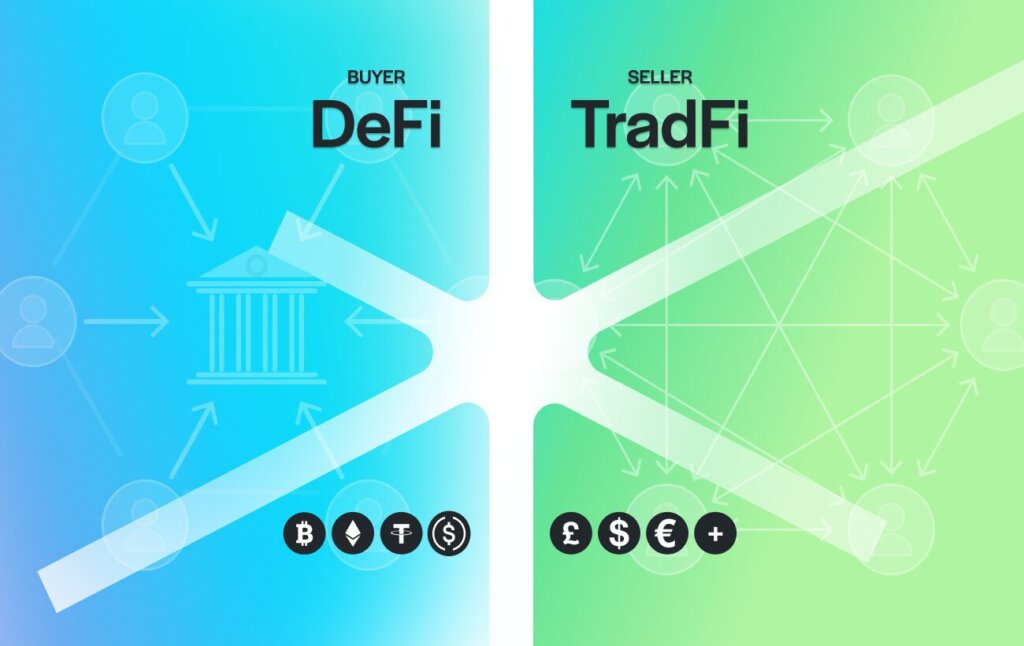
The "Rent With USDC" strategy treats USDC not as a speculative asset to trade, but as a settlement layer for real-world obligations. In 2026, this approach leverages stablecoin rails to move money faster and cheaper than traditional banking networks. Instead of waiting days for ACH transfers or paying high wire fees, tenants use USDC to settle rent directly on the blockchain, which then bridges to the landlord’s fiat bank account.
This model shifts the focus from holding crypto for price appreciation to using it for utility. USDC acts as a digital dollar, maintaining a 1:1 peg with the USD while offering the speed of digital settlement. For landlords, this means receiving funds in their bank accounts without the friction of traditional payment processors. For tenants, it offers a way to pay rent using self-custodial assets, even without a traditional bank account.
The infrastructure behind this strategy relies on intermediaries like TrustLinq and BitPay. These platforms handle the conversion and compliance, ensuring that the crypto sent from the tenant’s wallet arrives as fiat in the landlord’s account. This bridges the gap between decentralized finance and traditional real estate transactions, making USDC a practical tool for daily living expenses.
Settlement Infrastructure and Payment Rails
The backbone of the 2026 Rent With USDC strategy is the settlement layer—the technical path that moves value from your wallet to your landlord’s bank account. This isn’t just about blockchain speed; it’s about the bridge between digital assets and traditional finance. For landlords and tenants alike, understanding these rails is essential for ensuring payments arrive on time, in full, and without the friction of traditional wire transfers.
On-Chain Settlement: Speed and Cost
When you send USDC, you’re choosing a network. In 2026, the landscape is dominated by three major chains, each with distinct trade-offs for rent payments.
Solana remains the leader for speed and cost. Transaction fees are fractions of a cent, and finality is nearly instant. As noted by users in community discussions, the cost is fixed per token account, meaning sending $1 or $10,000 costs the same tiny amount. This makes Solana ideal for high-frequency, low-value transactions.
Base, Coinbase’s Layer-2 network, has emerged as a strong contender for mainstream adoption. It offers Ethereum-level security with significantly lower fees. Users like Nam Vuong have reported successful rent payments via Base, leveraging integrations with protocols like MakerDAO for added stability. The user experience is familiar, often requiring no additional wallet setup beyond standard Coinbase accounts.
Ethereum Mainnet is the most secure but also the most expensive. With gas fees fluctuating based on network congestion, sending rent on Ethereum can cost several dollars per transaction. It’s best reserved for large, infrequent payments where the security premium is justified.
Off-Ramps: Converting Crypto to Fiat
For landlords without crypto wallets, the on-chain journey ends at the off-ramp—the service that converts USDC into fiat currency and deposits it into their bank account. This is where infrastructure meets reality.
BitPay is the largest provider of cryptocurrency payment services globally. Major property managers, such as Jamestown Partners, have integrated BitPay to accept crypto rent. BitPay handles the conversion to USD in real-time, depositing fiat into the landlord’s existing bank account. This removes the need for landlords to manage crypto wallets or understand blockchain technology. The landlord receives traditional currency; the tenant pays in crypto.
TrustLinq offers a different approach, focusing on financial accessibility for the unbanked. Their platform allows tenants to bridge digital assets directly to a landlord’s bank account without the landlord needing a crypto account. This is particularly valuable for landlords who are wary of crypto volatility or lack the technical expertise to manage digital assets. TrustLinq’s self-custodial settlement bridge ensures that the tenant retains control until the moment of conversion, reducing counterparty risk.
Choosing the Right Rail
The choice of network and off-ramp depends on your priorities. If speed and low cost are paramount, Solana is the clear winner. If you want a seamless experience with major exchanges, Base is a strong choice. For landlords who want zero crypto exposure, BitPay provides a clean, fiat-only endpoint. TrustLinq offers a middle ground, enabling direct settlement for those who want to avoid traditional banking hurdles entirely.
USDC has maintained its peg to the US Dollar with remarkable stability, making it a reliable medium for rent payments. The chart above shows the USDC/USD pair over the last day, highlighting the minimal deviation from parity.
Tenant Benefits: Yield and Accessibility
Paying rent with USDC shifts idle cash from a dormant checking account into a yield-generating asset. Instead of letting funds sit at 0.01%, tenants can stake or lend USDC to earn competitive rates before the due date. This turns a monthly expense into a small revenue stream. As of late 2025, platforms like Nebeus have offered yields up to 12% RPY for short-term deposits, allowing tenants to offset a portion of their housing costs while maintaining liquidity. Even modest staking rewards on Coinbase or similar exchanges provide a tangible return on cash that would otherwise generate nothing.
Beyond yield, USDC settlement solves a critical accessibility problem. Traditional banking infrastructure excludes millions who lack checking accounts or have poor credit histories. Self-custodial settlement bridges, such as those provided by TrustLinq, allow tenants to send crypto directly to a landlord’s bank account without needing a personal bank account of their own. This removes the friction of wire fees, hold periods, and overdraft penalties, making housing payments possible for the unbanked and underbanked.
Adoption is already visible in the market. Major property management firms like Jamestown LP have partnered with payment processors like BitPay to accept cryptocurrency, signaling that the infrastructure is mature enough for everyday use. For tenants, this means the ability to pay rent with assets they already hold, earning yield on the way and bypassing traditional banking barriers entirely.

Landlord Adoption and Compliance Risks
The shift toward USDC rent payments is driven by the friction inherent in traditional banking rails. For property managers, the primary appeal is speed and certainty. Traditional ACH transfers can take three to five business days to settle, tying up capital and creating cash flow gaps. Wire transfers are faster but often carry fees that eat into margins. USDC settles on the blockchain in seconds, 24/7, providing immediate liquidity. More importantly, USDC transactions are irreversible. Unlike credit card payments, which are susceptible to chargebacks, or ACH transfers, which can be reversed under certain conditions, a confirmed USDC payment is final. This eliminates the risk of fraudulent reversals that can haunt landlords after a tenant defaults.
However, adoption is not without its hurdles. The most significant barrier is regulatory compliance, particularly around Anti-Money Laundering (AML) and Know Your Customer (KYC) laws. In 2026, landlords are not expected to become crypto experts, but they must ensure their payment processors are licensed. This is where infrastructure providers like BitPay become essential. By partnering with established payment gateways, landlords can accept USDC while the processor handles the fiat conversion and compliance reporting. For example, Jamestown Partners, a major commercial real estate firm, partnered with BitPay to accept cryptocurrency, allowing them to tap into a new demographic of tech-savvy tenants without building an in-house crypto treasury team. This model reduces the burden on the landlord while still offering the settlement benefits of digital assets.
The decision to accept USDC often comes down to a cost-benefit analysis. While there are transaction fees associated with crypto payments, they are often lower than the 2-3% interchange fees charged by credit cards. Additionally, the elimination of chargeback fraud can save landlords thousands of dollars annually. For smaller landlords, the complexity of managing crypto wallets may be prohibitive, making third-party processors the only viable path. As regulatory clarity improves in 2026, we expect more property management firms to integrate USDC directly into their accounting software, treating it as a standard payment method rather than a speculative asset.
To understand the practical impact of this shift, consider the differences between traditional settlement and USDC:
| Feature | ACH Transfer | Wire Transfer | USDC Settlement |
|---|---|---|---|
| Settlement Time | 3-5 Business Days | Same Day (if early) | |
| Transaction Cost | $0.25 - $1.50 | $15 - $30 | |
| Reversibility | Possible (within window) | Rare (complex) | |
| Chargeback Risk | Low | None | None |
| 24/7 Availability | No | No | Yes |
| Compliance Burden | Low (Bank handles) | Low (Bank handles) | Medium-High (Processor handles) |
Step-by-Step: Executing the Strategy
Paying rent with USDC involves three distinct phases: holding the asset, earning yield, and settling via a bridge. This workflow allows you to maintain liquidity while covering fixed expenses in fiat.
Start by acquiring USDC through a reputable exchange or wallet. Instead of letting it sit idle, use a regulated staking protocol or lending platform to earn yield. This turns your rent fund into a productive asset, offsetting the opportunity cost of holding stablecoins.
Choose a compliant payment processor like TrustLinq or BitPay. These services act as the bridge between your self-custodial wallet and your landlord’s traditional bank account. They handle the regulatory compliance, ensuring the fiat transfer is clean and traceable.
When rent is due, initiate the transfer through the bridge’s dashboard. The service converts your USDC to fiat and deposits it directly into the landlord’s bank account. You receive a confirmation receipt, and the landlord sees a standard bank deposit, avoiding any crypto-related confusion.
This method ensures your landlord receives traditional currency while you retain the benefits of digital asset management. Always verify that your chosen bridge supports the specific bank details of your landlord before committing funds.
Common Questions on Stablecoin Rent
The infrastructure for paying rent with USDC is maturing, but it introduces new mechanics for settlement and yield that differ from traditional banking. Here are the specific concerns users raise about viability and accessibility.
Helpful gear
Use these product recommendations as a starting point, then choose the size, material, and price point that fit how you actually use the gear.

As an Amazon Associate, we may earn from qualifying purchases.
No comments yet. Be the first to share your thoughts!