Why USDC fits rental payments
The core friction in traditional rent collection isn't the concept of payment itself, but the settlement timeline. A standard ACH transfer takes three to five business days to clear, while a wire transfer can be costly and rigid. For landlords and tenants alike, this delay represents a tangible opportunity cost. You are essentially lending your capital interest-free during the settlement window, and you are exposed to the risk of insufficient funds or returned checks until the money is actually in your account.
USDC (USD Coin) addresses this by offering near-instant finality on most major blockchain networks. When you pay rent with USDC, the transaction settles in seconds or minutes, not days. This speed transforms the cash flow dynamic. Landlords receive funds immediately, eliminating the ambiguity of "pending" status. Tenants avoid the awkward gap where rent is paid but not yet credited to the landlord's ledger. This immediacy is the primary economic driver for adopting the Rent With USDC strategy, as it removes the waiting period that defines traditional banking.
Beyond speed, cost is a significant factor. While ACH fees are often low or waived for consumers, they can add up for high-volume landlords. Wire transfers frequently carry fees ranging from $15 to $30 per transaction. In contrast, sending USDC on networks like Solana or Polygon costs a fraction of a cent. Even on Ethereum mainnet, while gas fees can fluctuate, they remain competitive with the cumulative cost of multiple bank transfers, especially when considering the time value of money recovered through instant settlement.
Stability is the final pillar. Unlike volatile cryptocurrencies such as Bitcoin or Ethereum, USDC is a stablecoin pegged 1:1 to the US dollar. This means the value of your rent payment does not fluctuate between the time you send it and the time the landlord receives it. You avoid the risk of the tenant paying in a currency that drops 5% in value before the landlord can convert it. USDC provides the speed and low cost of blockchain technology with the predictability of fiat currency.
How the Settlement Bridge Works
The Rent With USDC strategy relies on a technical middleman known as a settlement bridge. This infrastructure solves the most common friction point in crypto rentals: the landlord’s need for traditional currency. While tenants send digital assets from their wallets, the bridge provider instantly converts the transaction into a standard fiat bank transfer. This mechanism allows landlords to accept USDC without managing private keys, holding crypto assets, or navigating complex tax reporting for digital currency.
The process is designed to be invisible to the end user. When a tenant initiates a payment, the bridge provider locks the USDC and simultaneously instructs their banking partner to deposit the equivalent USD into the landlord’s account. For the landlord, the experience is identical to receiving a standard ACH or wire transfer. They do not see the blockchain transaction; they only see the funds cleared in their checking account. This separation of concerns ensures that the volatility and custody risks of cryptocurrency never touch the landlord’s balance sheet.
Several providers have built this infrastructure specifically for the rental market. Companies like TrustLinq and Rent.App have integrated these settlement rails to allow self-custodial payments to land directly in bank accounts. TrustLinq, for instance, focuses on the backend settlement layer, ensuring that the fiat conversion happens reliably and complies with local banking regulations. Rent.App integrates this capability into a broader tenant screening and payment platform, offering a seamless interface for users who want to pay with USDC or USDT without incurring extra fees.
The viability of this model depends on the liquidity and stability of the underlying asset. USDC is the preferred choice for these transactions because it is backed one-to-one by US dollars, providing the stability required for monthly rent obligations. This stability ensures that the amount the tenant sends matches the amount the landlord receives, minus any minimal processing fees. By leveraging established stablecoin infrastructure, the Rent With USDC strategy bridges the gap between decentralized finance and traditional real estate operations.
Top tools for automated rent
Automating the Rent With USDC strategy requires selecting the right infrastructure. You need tools that handle the conversion from stablecoin to fiat without exposing your landlord to crypto volatility. The following options represent the current landscape for settlement providers and security gear.
Rent.App: Direct Stablecoin Settlement
Rent.App is built specifically for this use case. It allows tenants to pay rent in USDC or USDT directly from their wallets. The platform handles the backend logic, ensuring the landlord receives the fiat equivalent in their bank account. This removes the friction of manual conversion and eliminates fees for the user, making it a straightforward choice for the Rent With USDC strategy.
BitPay: Institutional-Grade Conversion
For larger portfolios or commercial properties, BitPay offers a more traditional payment gateway experience. Jamestown Partners, a major property management firm, partnered with BitPay to accept cryptocurrency. BitPay processes the crypto payment and settles the fiat amount to the merchant. This is a robust option for landlords who already use established payment processors and need compliance-ready reporting.
Self-Custodial Security Gear
Since the Rent With USDC strategy relies on self-custody, securing your private keys is non-negotiable. If you are managing your own USDC, you need hardware to protect your assets from digital threats. The following tools are essential for maintaining the security of your rental payments.



As an Amazon Associate, we may earn from qualifying purchases.
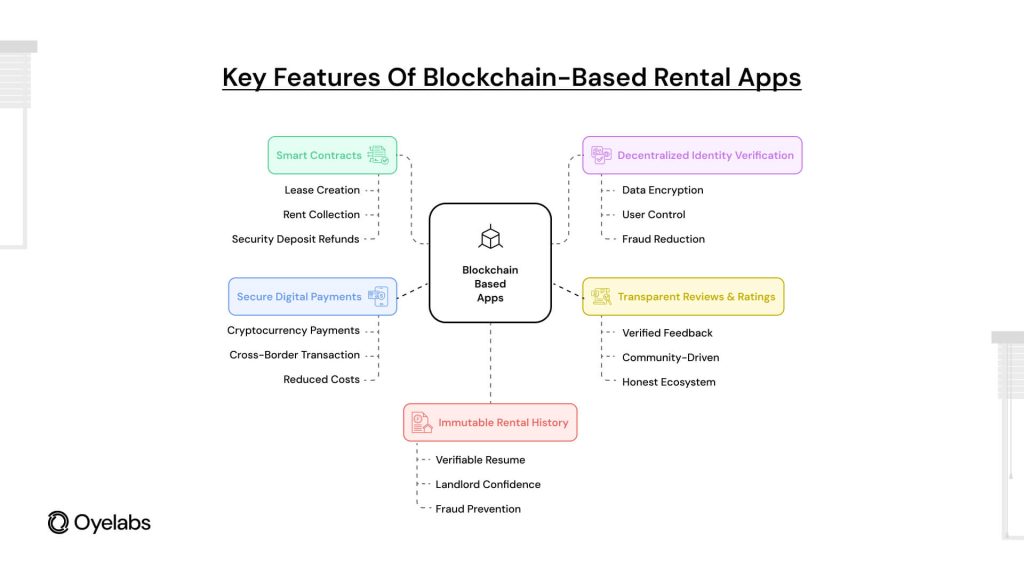
Comparison of Settlement Providers
The table below summarizes the key differences between direct stablecoin platforms and traditional crypto payment gateways.
| Provider | Type | Tenant Fee | Landlord Receives |
|---|---|---|---|
| Rent.App | Direct Stablecoin | None | Fiat (Bank Transfer) |
| BitPay | Payment Gateway | Varies | Fiat (Bank Transfer) |
Yield offsets for tenants
The most immediate advantage of the Rent With USDC strategy is the ability to generate yield on the capital you hold before you pay. Instead of letting your savings sit idle in a traditional checking account, you can deploy USDC into yield-bearing protocols to cover your rent. This turns a monthly expense into a passive income opportunity, effectively lowering your net housing costs.
To make this work, you need a settlement provider that bridges your self-custodial wallet to your landlord’s bank account. This infrastructure allows you to keep your funds in a yield-generating environment while ensuring your landlord receives a standard fiat transfer. The yield you earn on your USDC holdings directly offsets the rent amount, creating a natural hedge against inflation and rising costs.
This approach requires a shift in mindset: you are no longer just a payer, but an active manager of your liquidity. By keeping your capital productive until the exact moment of settlement, you maximize the utility of every dollar. The result is a more efficient financial workflow where your assets work for you, rather than simply moving from your account to your landlord’s.
Security and compliance checks
The Rent With USDC strategy shifts liability. Landlords rely on the settlement provider to handle KYC/AML, but tenants must secure their own digital assets. If your wallet is compromised, the payment is gone.
Secure your wallet
Use a reputable self-custodial wallet. Enable two-factor authentication and never share your seed phrase. Treat your private keys like house keys—loss means total loss of funds.
Landlord compliance
Landlords must verify tenant identity through the settlement platform. This ensures anti-money laundering (AML) compliance. The provider handles the fiat conversion, so the landlord receives a standard bank transfer without touching crypto directly.
Enable all security features in your wallet app. Use a hardware wallet for large balances. Verify the recipient address before sending USDC.

Landlords should use a platform that integrates KYC checks. This protects against fraud and ensures regulatory compliance. The platform handles the verification process automatically.
Wait for the fiat deposit to appear in your bank account. Do not release the property until the funds are cleared. The settlement provider confirms the transaction on-chain.
Common questions about crypto rent
Users often ask if holding USDC for rent payments yields returns. While USDC is stable and backed one-to-one by dollars, staking yields vary by protocol and carry smart contract risks. For most renters, the primary goal is settlement efficiency, not yield generation.
Another frequent question is how to pay rent with crypto without a bank account. The most effective method in 2026 is using a self-custodial to fiat settlement bridge. These services allow you to fund payments directly from your private wallet while your landlord receives a standard bank transfer, solving the major usability gap in the industry.
Finally, many wonder about the cost of holding USDC. On networks like Solana, the "rent" is minimal and per token account, regardless of whether you hold 1 USDC or 1 million. This makes stablecoins highly efficient for high-value rental settlements compared to traditional banking fees.
No comments yet. Be the first to share your thoughts!