Stablecoin rent rails in 2026
The infrastructure for paying rent with USDC has shifted from experimental pilot programs to a functional, albeit fragmented, ecosystem. In 2026, the primary challenge is no longer moving the asset but settling it into the fiat world where landlords and property managers operate. The gap between crypto wallets and traditional bank accounts is bridged by specialized settlement rails that convert stablecoin transactions into local currency deposits.
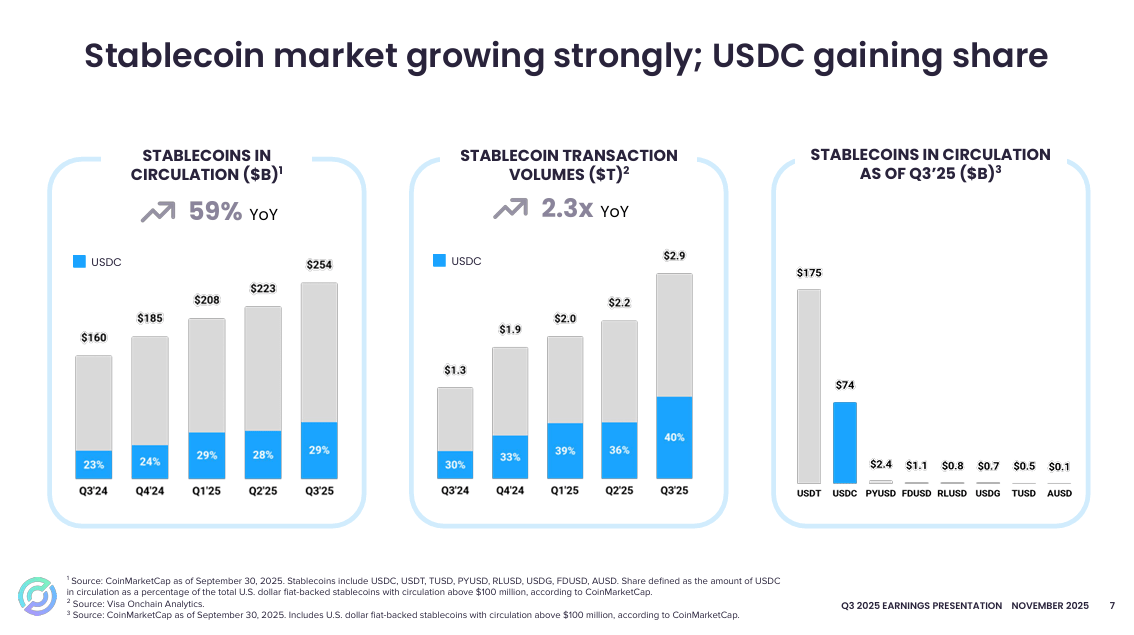
USDC serves as the dominant vehicle for this transition due to its regulatory compliance and transparent reserve structure. Unlike volatile cryptocurrencies, its 1:1 peg to the US dollar eliminates the exchange rate risk that made early crypto-rental experiments impractical. Landlords receive stable fiat value, while tenants benefit from the speed and lower transaction costs of blockchain networks. This dual benefit is the core value proposition of the current stablecoin rental infrastructure.
The mechanics involve a "self-custodial to fiat settlement bridge." Tenants send USDC from their personal wallets to a platform-managed address. The platform then executes the conversion and initiates a standard bank transfer or ACH payment to the landlord. This process decouples the crypto transaction from the traditional banking system, allowing for near-instant settlement without requiring landlords to hold digital assets. The reliability of this rail depends entirely on the compliance and liquidity of the settlement provider, making the choice of platform a critical risk management decision for both parties.
Settlement products for digital rent
Turning a USDC payment into spendable cash is the final, and often most difficult, step for landlords. While the blockchain transaction settles in seconds, the money must exit the crypto rails and enter a traditional bank account. This exit process is where most non-crypto landlords encounter friction, volatility risk, or compliance hurdles.
The market has split into two distinct approaches: centralized exchanges that act as on-ramps, and specialized property-tech platforms that handle the fiat conversion automatically. For most landlords, the choice comes down to whether they want to manage the crypto-to-fiat bridge themselves or pay a premium to have it done off-screen.
Centralized Exchange Bridges
Major exchanges like Coinbase and Kraken offer the most straightforward path for landlords already holding crypto or willing to accept it. The process is simple: the tenant sends USDC to your exchange wallet, and you sell it for USD. The funds then settle into your linked bank account via ACH or wire transfer.
This method is cost-effective but requires active management. You are responsible for ensuring the wallet address is correct, monitoring for network congestion, and initiating the sell order. Settlement times typically range from 1 to 3 business days for the fiat to appear in your checking account. This approach works best for landlords comfortable with basic digital asset management.
Property-Integrated Payment Platforms
Platforms like RentPayments and Blockpit have built proprietary infrastructure to handle USDC specifically for real estate. These services act as a middleman, accepting the stablecoin from the tenant and immediately converting it to fiat before depositing it into your bank account. The landlord never sees the crypto; they only see a standard electronic payment.
The trade-off is cost. These platforms charge higher processing fees, often between 2.9% and 3.9%, compared to the 1% or less charged by dedicated crypto-to-fiat bridges. However, the convenience is significant. The landlord avoids wallet management, and the tenant benefits from a familiar payment interface. This model is ideal for landlords who want to accept digital assets without becoming crypto operators.
Comparison of Settlement Options
The table below compares the primary methods for settling USDC rent payments, focusing on fees, speed, and the level of technical involvement required from the landlord.
| Provider Type | Typical Fee | Fiat Settlement | Landlord Effort |
|---|---|---|---|
| Centralized Exchange (Coinbase/Kraken) | 0.5% - 1.5% | 1-3 business days | Medium (Manual sell required) |
| Property Tech Platform (RentPayments) | 2.9% - 3.9% | 1-2 business days | Low (Automated) |
| Specialized Bridge (TrustLinq) | 1.0% - 2.0% | Same day or next day | Medium (Setup required) |
| Direct Wallet to Bank (Ramp) | 1.5% - 2.5% | 1-3 business days | High (Manual processing) |
Hardware wallets for secure storage
USDC lives on the blockchain, which means it never truly disappears—unless you lose the keys. Hardware wallets act as offline vaults, keeping your private keys away from internet-connected devices and malicious software. For landlords holding rental income or tenants paying rent in stablecoins, this separation of keys from the internet is the only reliable defense against remote hacks.
Choosing the right device depends on your comfort with technical interfaces and your budget. You need something that supports USDC on Ethereum (ERC-20) or Solana, depending on which network you use for transactions. Below are the most reliable options for 2026, selected for their security architecture and official certification standards.



As an Amazon Associate, we may earn from qualifying purchases.
The Ledger Nano X remains the industry standard for users who need Bluetooth connectivity to manage assets on mobile devices. Its Secure Element chip is the same technology used in passports and credit cards, providing a hardened environment for key storage. If you primarily use desktop applications, the Trezor Model T offers a more intuitive interface with its color touchscreen, making it easier to verify transaction details on-screen before signing.
For those on a tighter budget, the Ledger Nano S Plus is a capable alternative. It lacks Bluetooth but retains the same secure element and supports the same major tokens. Regardless of the brand, always purchase directly from the manufacturer to avoid tampered devices. Never import your seed phrase into a software wallet or share it with customer support; if anyone asks for it, it is a scam.

Compliance and fee structures
Stablecoin payments simplify the transfer of funds, but they do not exempt landlords or tenants from local regulatory frameworks. In 2026, the financial reality of renting with USDC involves navigating specific application fee caps and understanding the true cost of on-chain transactions. These factors directly impact net yield for property owners and monthly budgeting for renters.
In Washington, D.C., the Rental Housing Commission has set the maximum allowable rental application fee at $54 for Calendar Year 2026 [src-serp-1]. This cap applies regardless of the payment method used. Whether a tenant pays by check, credit card, or USDC, the base fee cannot exceed this limit. Landlords must ensure their payment processors do not add surcharges that effectively bypass this cap, as the DC Rental Act enforces strict transparency on all fees collected during the application process [src-serp-5].
Beyond application fees, transaction costs remain a critical variable. While USDC transfers on networks like Ethereum or Polygon are often cheaper than traditional wire transfers, network gas fees fluctuate. For high-value transactions like monthly rent, even small percentage fees can erode returns. Landlords should calculate the net yield after accounting for any platform fees or network costs associated with receiving USDC. Tenants should verify if their payment portal charges a convenience fee for crypto transactions, as these can quickly add up.
The stability of USDC itself is a feature, but the regulatory environment surrounding its use is evolving. Landlords must stay updated on local ordinances that may dictate how digital assets are reported for tax purposes or how they are treated in security deposit escrow. Ignoring these compliance layers can lead to legal penalties that far outweigh any transaction efficiency gains.
Checklist for launching crypto rent
Transitioning to USDC requires a disciplined setup. Both landlords and tenants must agree on the technical rails before the first payment date. This workflow minimizes the risk of irreversible errors and ensures smooth bank settlement.
Select a platform that handles the crypto-to-fiat conversion. Services like TrustLinq bridge self-custodial wallets to traditional bank accounts, solving the settlement gap that often stalls crypto rent adoption.
Both parties need non-custodial wallets (e.g., MetaMask, Coinbase Wallet) or exchange accounts that support USDC on the Ethereum network. Ensure you have enough ETH or MATIC for gas fees to execute transactions.
Add the specific USDC wallet address to the lease agreement. Specify the network (e.g., ERC-20) and the exact amount in USDC to avoid confusion during the monthly cycle.
Send a small amount (e.g., $1 USDC) to confirm the address is correct and the gateway processes the fiat deposit. Verify the landlord receives the funds in their bank account before the official rent date.
Once confirmed, set up recurring approvals or calendar reminders. Monitor the first full cycle closely to ensure the settlement timing aligns with your cash flow needs.
No comments yet. Be the first to share your thoughts!