How USDC Rent Settlement Works
Paying rent with USDC isn't just about sending tokens; it's about choosing the right settlement layer. The infrastructure splits into two distinct paths: direct peer-to-peer transfers and third-party settlement services that bridge crypto and fiat.
If your landlord accepts USDC directly, the process is straightforward. You send tokens to their wallet address on the network they prefer, typically Ethereum, Polygon, or Solana for lower fees. This method is immediate and transparent, but it requires the landlord to hold and manage crypto assets, which many are not equipped to do.
For landlords who need traditional currency, third-party settlement layers act as the intermediary. Apps like TrustLinq or COCA.xyz facilitate the transaction by converting your USDC into fiat and depositing it into the landlord's bank account. This removes the burden of crypto custody from the landlord but introduces a settlement fee and a slight delay as the funds clear through traditional banking rails.
The choice between these two methods hinges on your landlord's technical comfort and the urgency of the payment. Direct transfers offer speed and lower costs, while settlement services provide convenience and compliance with traditional rent expectations.
Direct payment versus settlement apps
When you pay rent with USDC, you are choosing between two very different plumbing systems. You can send the stablecoin directly to your landlord’s wallet, or you can use a fintech app that acts as a middleman, converting your crypto into fiat currency before it hits the landlord’s bank account. The choice fundamentally changes who bears the cost, how fast the money moves, and what infrastructure is required.
Direct transfers are the most efficient path if your landlord is already crypto-native. In this scenario, you send USDC on a low-cost network like Solana or Base directly to their wallet address. There are no intermediary fees, and the transaction settles in seconds. However, this method requires your landlord to have a digital wallet and the technical knowledge to verify the deposit. If they do not accept crypto directly, this option is off the table regardless of how cheap it is.
Settlement apps solve the landlord’s problem by guaranteeing they receive USD. Platforms like Rent.App allow you to pay in USDC, but the service automatically converts the funds and deposits fiat into the landlord’s traditional bank account. The trade-off is convenience versus cost. While some apps advertise zero fees to tenants (absorbing the cost themselves or charging the landlord), most settlement providers charge a processing fee ranging from 1% to 3%. You are paying for the service of bridging the crypto and traditional banking worlds.
The table below breaks down the practical differences between these two approaches. Use this to evaluate which infrastructure fits your specific lease agreement and landlord preferences.
| Feature | Direct USDC Transfer | Settlement App | Risk Factor |
|---|---|---|---|
| Cost | Near zero (network gas only) | 1%–3% processing fee | Direct is cheaper |
| Speed | Seconds to minutes | 1–3 business days | App is slower |
| Landlord Requirement | Must have crypto wallet | Standard bank account | App is more flexible |
| Complexity | High (self-custody) | Low (managed service) | Direct is harder |
The real cost of paying rent in crypto
Paying rent with USDC looks simple on the surface, but the actual cost depends entirely on which rails you use. Unlike credit cards that offer rewards, crypto payments usually involve friction costs that eat into your budget if you aren't careful. You are trading convenience for potential savings, but those savings vanish quickly if hidden fees slip in.
The first cost is the network gas fee. When you send USDC, you are paying validators to process the transaction. On Ethereum mainnet, these fees can spike unpredictably, sometimes costing more than the rent payment itself during high congestion. This is why many users prefer Layer 2 solutions like Polygon or Arbitrum, where gas fees are fractions of a cent. Always check the current gas price before initiating a large transfer.
Next, consider the platform spread. Some payment processors convert your crypto to fiat for the landlord, taking a cut in the process. Others, like Rent.App, allow direct USDC transfers with no platform fees, but you still bear the network cost. Be wary of cards or wallets that advertise "no fees" but apply a dynamic spread of 2-3% on the exchange rate. A Reddit user noted that while USDC often has no processing fees, other coins incur significant charges, highlighting the importance of sticking to stablecoins and fee-transparent platforms.
Finally, there is the risk of landlord surcharges. Some property management companies pass their payment processing costs onto tenants, adding a 2-3% convenience fee for credit card or crypto payments. Always confirm with your landlord or property manager upfront whether they absorb these costs or if they will be added to your invoice. Ignoring this step can turn a "cheap" crypto payment into the most expensive option in your budget.
Managing risk and compliance with USDC rent
Paying rent in USDC changes the stakes. Unlike a check or ACH transfer that can be reversed, blockchain transactions are final. Once you send the payment, it’s gone. This irreversibility means you must verify addresses carefully before confirming any transaction. A single typo sends your money to a void from which it cannot be recovered.
Landlords also face new compliance duties. Crypto income is taxable, and reporting requirements vary by jurisdiction. In Washington, D.C., for example, the Rental Housing Commission provides detailed guides on landlord responsibilities, including how rental income is treated under local laws. Ignorance of these rules doesn’t exempt you from them. You must track every USDC payment as taxable income and ensure your accounting reflects current tax codes.
The landscape of landlord-tenant law is evolving to include digital assets. While traditional tools remain valid, understanding the intersection of crypto and real estate is no longer optional for tech-savvy landlords. Consult local regulations and a tax professional to ensure your USDC rent collection strategy remains compliant and secure.
Essential tools for stablecoin rent
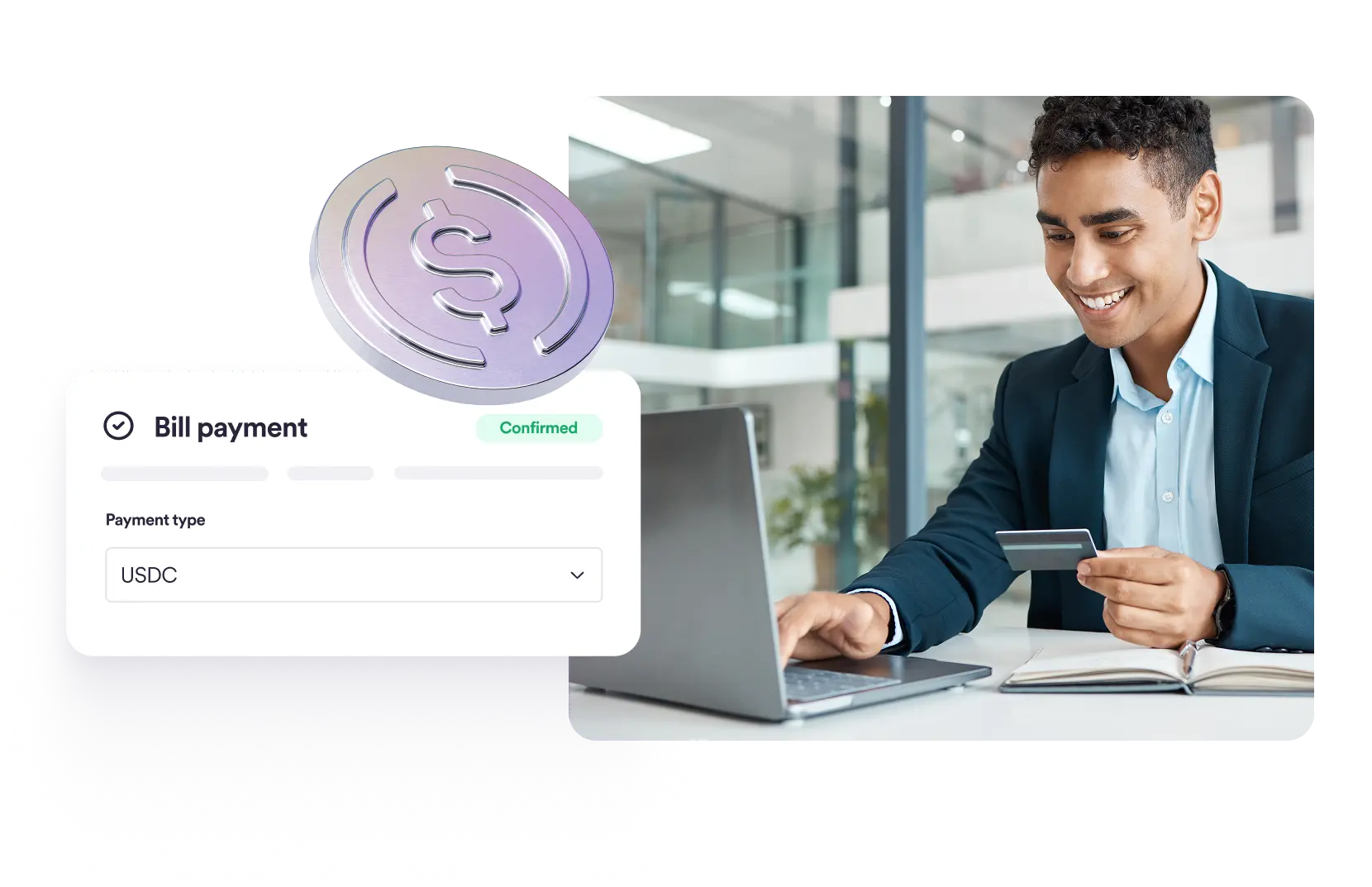
Paying rent in USDC requires more than just a wallet. You need specific infrastructure to handle payments, secure your funds, and ensure the transaction lands safely on the landlord’s end. The right tools turn a potentially risky transfer into a routine, trackable payment.
Hardware wallets for security
Keeping your rent money in a software wallet exposes it to phishing and exchange risks. A hardware wallet acts as a cold storage vault, signing transactions offline. For the core storage of your USDC, look for reputable brands like Ledger or Trezor. These devices ensure that even if your computer is compromised, your private keys remain secure.


As an Amazon Associate, we may earn from qualifying purchases.
Payment processors and platforms
Not all landlords accept direct wallet transfers. Payment processors like Rent.App bridge this gap, allowing you to pay in USDC while the landlord receives fiat currency. These platforms often handle the compliance and network fees, making the process seamless for both parties. Always verify which networks (Ethereum, Polygon, Solana) the processor supports to minimize transaction costs.
Wallets for daily transactions
For smaller, frequent payments or when using a payment processor, a trusted non-custodial wallet is essential. MetaMask remains the standard for Ethereum-based USDC, while Phantom is the go-to for Solana. Ensure your wallet is updated and that you have backed up your seed phrase in a physical, secure location.
Getting started with USDC rent
Setting up your first USDC rent payment is less about complex coding and more about verifying the basics. Because rent is a high-stakes obligation, you need to ensure the infrastructure is reliable before you commit to an automated schedule. Start by confirming the exact details with your landlord to avoid failed transactions or delayed settlements.
Before automating anything, ask your landlord for their specific wallet address and the preferred blockchain network (e.g., Ethereum, Polygon, or Solana). Sending USDC on the wrong network can result in lost funds that are difficult to recover. Confirm this directly with them rather than assuming standard compatibility.
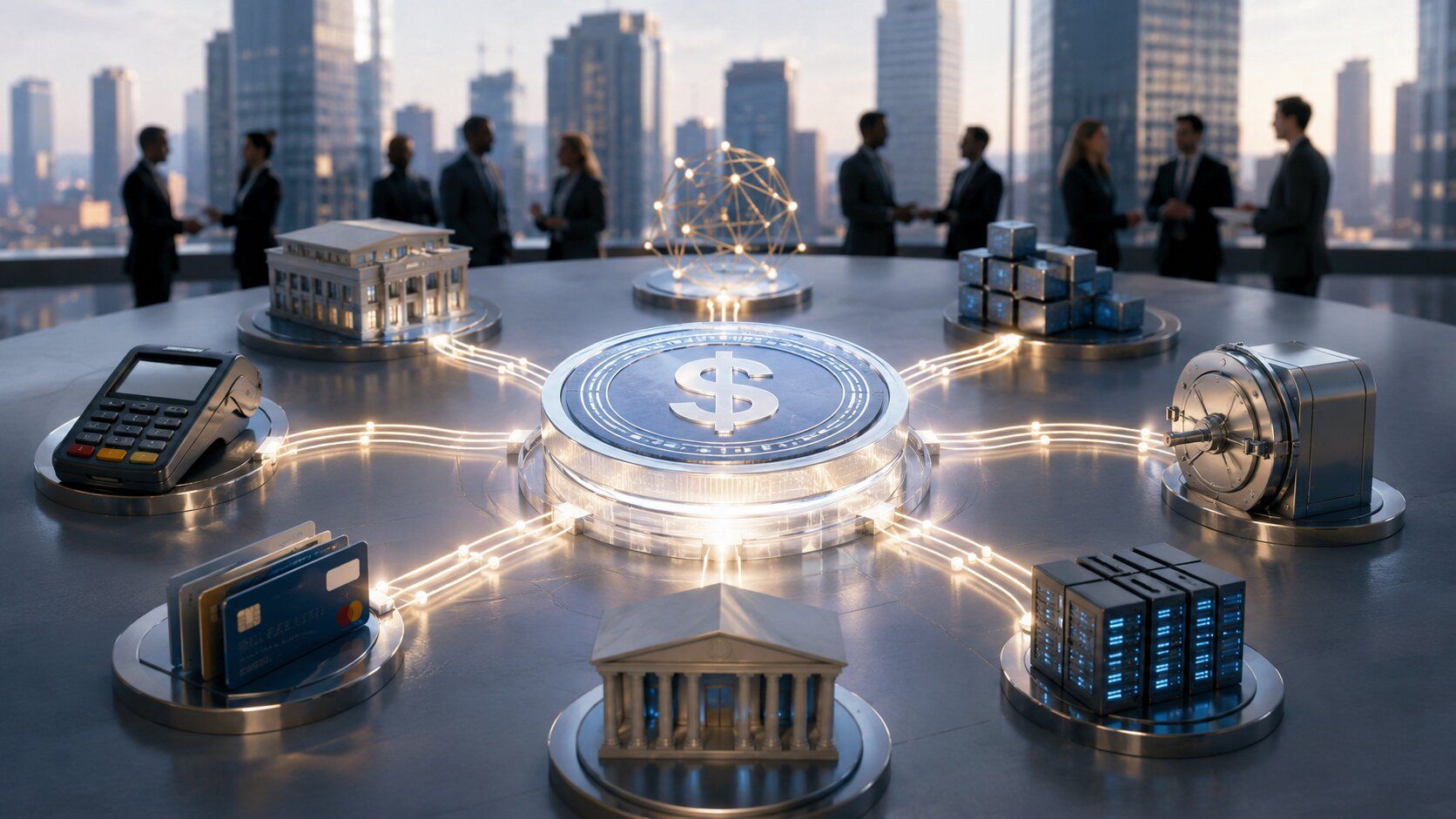
Decide whether you will send USDC directly to the landlord’s wallet or use a service that auto-converts to fiat. Direct transfers usually have lower fees and faster settlement times, while conversion services add convenience but introduce exchange rate risks and higher costs. Choose the method that aligns with your landlord’s preference and your risk tolerance.
Use a non-custodial wallet like MetaMask or Phantom to hold your USDC. This gives you full control over your funds and allows you to manage transaction signatures securely. Avoid keeping large rental balances on centralized exchanges, as withdrawal limits or freezing can disrupt your rent schedule.
Before setting up recurring payments, send a small test transaction (e.g., $1) to the landlord’s address. This confirms the address is correct, the network is active, and the landlord can receive and verify the payment. Treat this as a dry run for your automated system.

Once the test is successful, set up your recurring payment schedule using your chosen tool or wallet interface. Enable transaction notifications so you are alerted if a payment fails or is delayed. Regularly review your bank and crypto statements to ensure the automation is running smoothly.
Common questions about USDC rent
Paying rent with stablecoins is practical, but it requires coordination with your landlord and an understanding of how settlements work. Here are the most common questions about using USDC for monthly housing payments.
No comments yet. Be the first to share your thoughts!