Why USDC dominates rent payments
When choosing how to pay rent with USDC, the choice comes down to settlement reliability, not speculation. Unlike volatile cryptocurrencies that can swing 5% in a day, USDC is a fiat-collateralized stablecoin pegged 1:1 to the US dollar. This peg provides the price stability landlords need for predictable cash flow while retaining the speed of blockchain settlement. For tenants, it means your rent payment is exactly what you intended to send, without the risk of devaluation between the moment you authorize the transaction and the moment it clears.
The infrastructure advantage is equally significant. Traditional wire transfers and ACH payments often take one to three business days to settle, creating a window where funds are in limbo and late fees can accrue if timing is off. USDC transactions settle in seconds to minutes, regardless of the day or time. This immediacy reduces administrative friction for property managers who no longer need to chase bounced checks or wait for bank clearing cycles. The primary keyword intent here is clear: using USDC for rent payments shifts the burden from waiting for banks to relying on a transparent, always-on ledger.
Regulatory clarity further distinguishes USDC from other digital assets. USDC is issued by Circle, a regulated financial institution that publishes monthly attestation reports from independent accounting firms to verify that reserves are held in cash and short-dated US Treasuries. This compliance framework aligns with emerging regulations like the EU’s MiCA (Markets in Crypto-Assets), which sets strict standards for stablecoin issuers. Landlords and tenants can transact with greater confidence knowing the underlying asset is audited and compliant, rather than relying on an unbacked token or an opaque decentralized protocol.
Direct transfer versus settlement bridges
When you want to pay rent with USDC, the settlement path depends entirely on your landlord's banking setup. There are two distinct rails: direct on-chain transfer and fiat settlement bridges. Choosing the right one affects speed, cost, and whether the payment actually clears.
Direct on-chain transfer
This method is the purest form of cryptocurrency usage. You send USDC directly from your digital wallet to the landlord's wallet address on a supported blockchain, such as Solana or Ethereum. This is a peer-to-peer transaction that bypasses traditional banking hours and intermediaries. It is instant, often costs less than a dollar in network fees, and leaves a permanent record on the public ledger.
However, this option only works if the landlord has the infrastructure to accept it. Many property management companies do not have a treasury wallet set up for incoming stablecoins. If they do not explicitly agree to receive crypto directly, this path is closed to you. It is best suited for private landlords who are crypto-native or small businesses with existing crypto payment processors.
Fiat settlement bridges
For most renters, a fiat settlement bridge is the practical solution. These platforms act as a translator between the blockchain and the traditional banking system. You send USDC to the bridge provider, and they convert it into local currency (USD, EUR, etc.), then deposit the fiat funds directly into the landlord's bank account via ACH, wire, or check. The landlord sees a standard bank deposit, while you settle with stablecoins.
This method solves the compliance and accounting headache for property managers. It ensures the landlord receives usable currency for payroll and mortgages, while you retain the ability to use your crypto holdings for rent. The trade-off is speed and cost: bridges typically take 1-3 business days to settle and charge a fee ranging from 1% to 3% of the transaction value.
Comparison of settlement methods
The table below summarizes the operational differences between sending crypto directly and using a regulated bridge service.
| Feature | Direct On-Chain | Fiat Bridge |
|---|---|---|
| Speed | Seconds | 1-3 business days |
| Cost | Network gas fees | 1-3% transaction fee |
| Landlord sees | USDC/crypto | USD/EUR fiat |
| Complexity | High (wallet setup) | Low (app-based) |
| Compliance | Minimal | KYC/AML required |
Recommended tools
To successfully execute either method, you need reliable software to manage your USDC and track your payments. Below are tools that help streamline the process of managing digital assets for recurring expenses.


As an Amazon Associate, we may earn from qualifying purchases.
Setting up automated USDC rent
Automating your rent with USDC removes the friction of manual transfers and ensures payments hit on time, every time. The process relies on choosing the right settlement rail—whether your landlord accepts crypto directly or requires traditional fiat—and configuring an app to handle the logic. This setup turns a monthly chore into a background process.
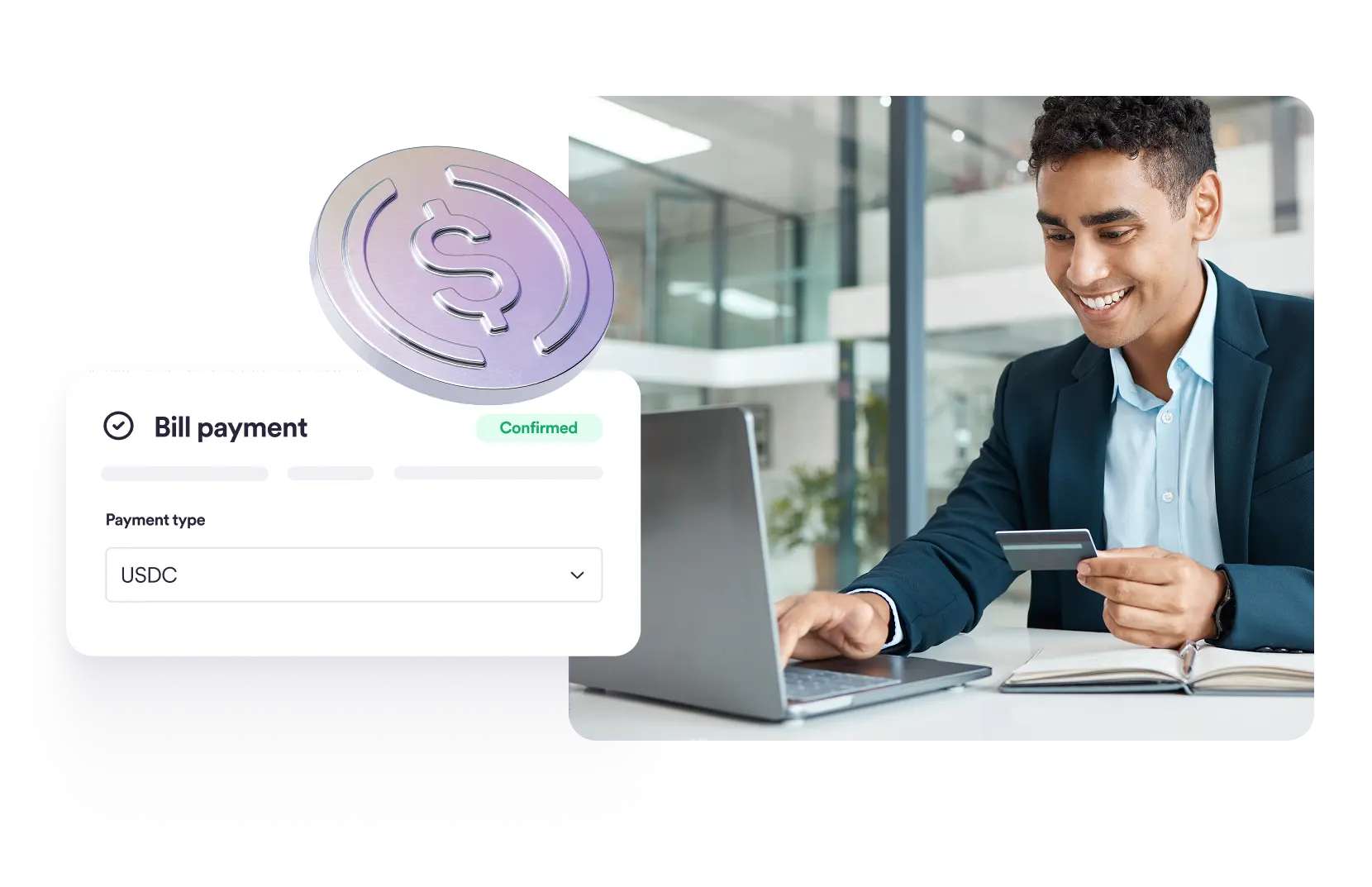
Start by asking your landlord how they prefer to receive rent. If they accept USDC directly, request their wallet address and the specific blockchain network (e.g., Solana, Ethereum, Polygon) to avoid lost funds. If they require dollars, you will need a service that handles the conversion, such as Rent.App or similar platforms that auto-convert stablecoins to fiat for the recipient.
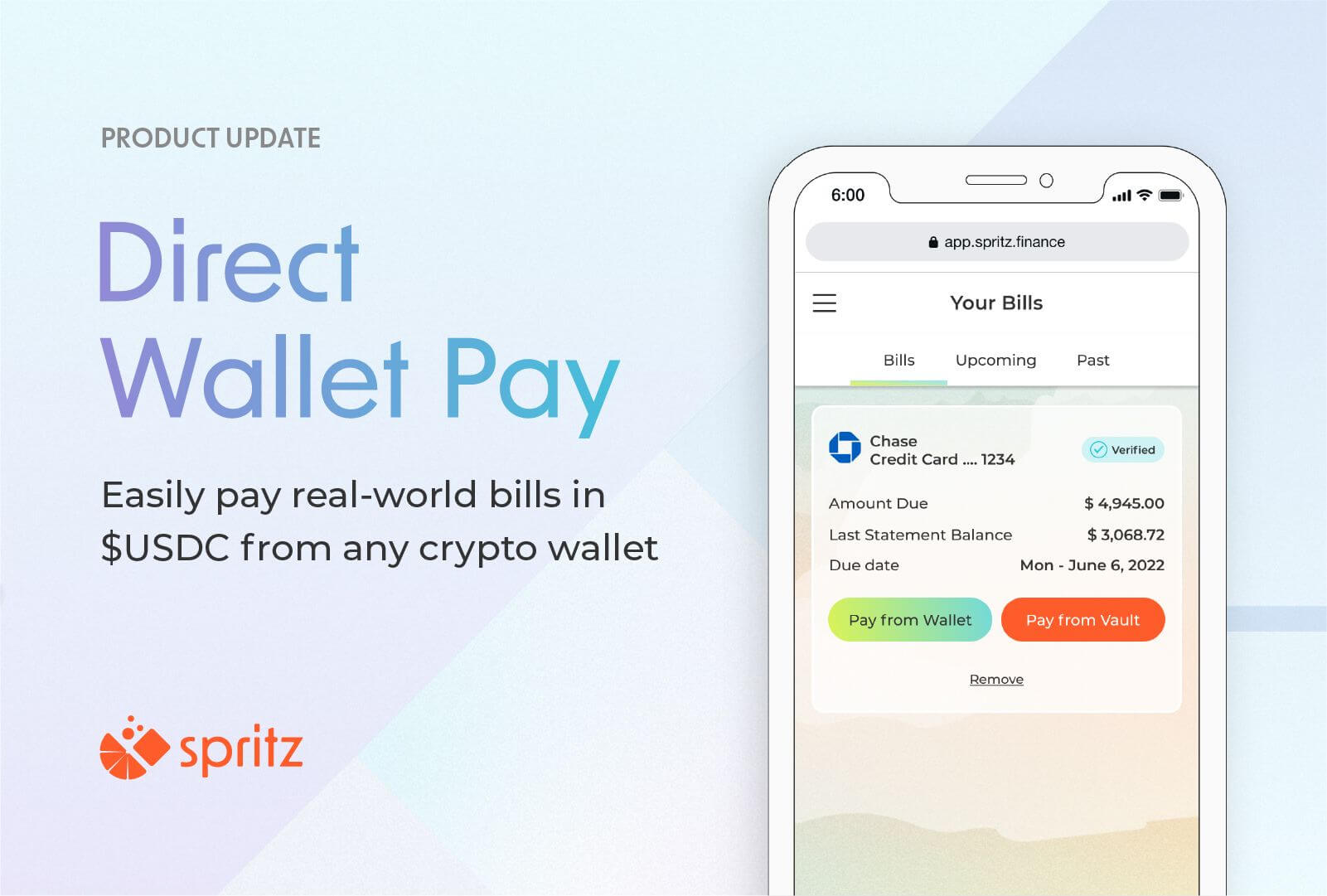
Select a wallet or fintech app that supports scheduled USDC transfers. Look for features like "Recurring Payments" or "Auto-Pay." Ensure the platform supports the network your landlord uses. If you are converting to fiat, verify the app’s settlement time and fees to ensure the landlord receives the full amount on the due date.
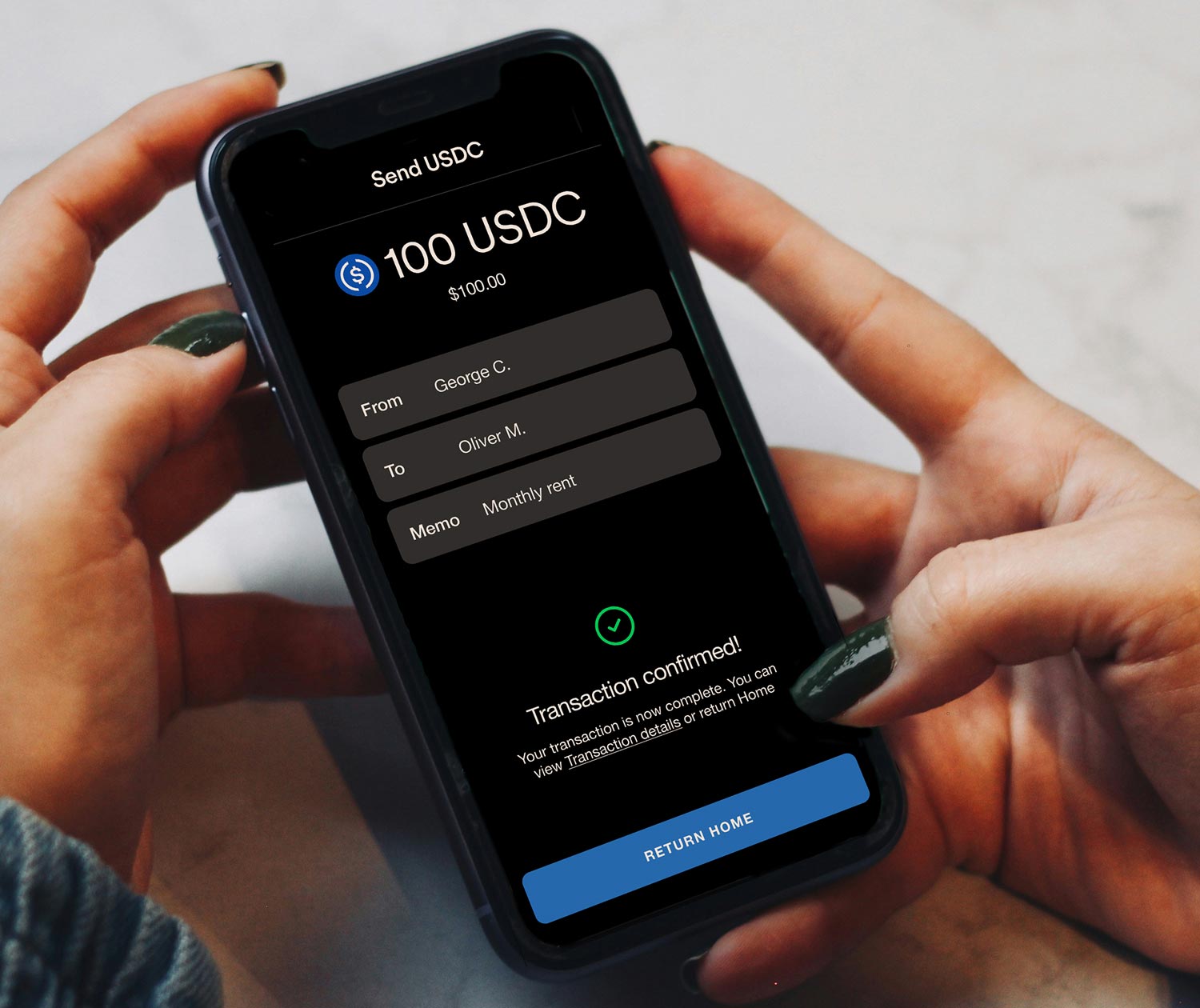
Input the landlord’s wallet address or linked bank account into the app’s recurring payment settings. Set the exact date for the transfer—ideally a few days before the due date to account for blockchain confirmation times or bank processing delays. Define the amount in USDC, keeping in mind that stablecoins are pegged 1:1 to the dollar, so no complex exchange rate calculations are needed.

Before locking in the full rent amount, send a small test transaction (e.g., $10 USDC) to verify the address and network. If using a conversion service, check that the fiat lands in the landlord’s account as expected. This step prevents costly errors like sending to the wrong chain or having funds stuck in pending status.
Watch the first automated payment closely. Check the blockchain explorer for the USDC transfer or the bank statement for the fiat deposit. Confirm the landlord acknowledges receipt. Once verified, you can leave the automation running, knowing your rent is handled by code rather than memory.
Tracking USDC market performance
While USDC is designed to maintain a 1:1 peg with the US dollar, monitoring its market performance remains a prudent practice for tenants managing significant crypto assets. Tracking the reserve composition and regulatory status of the issuer provides early warning signs of potential de-pegging risks, however slight. For most rent payments, the stability is sufficient, but understanding the underlying mechanics ensures you are not caught off guard by rare market anomalies.
Common questions about stablecoin rent
Paying rent in USDC is technically straightforward but operationally distinct from traditional fiat transfers. Below are the most frequent questions regarding feasibility, value, and strategy.
The primary advantage of USDC is its stability. Unlike volatile cryptocurrencies, it maintains a 1:1 parity with the US dollar, making it predictable for monthly budgeting. However, you must account for network fees (gas) on the blockchain you choose, such as Solana or Ethereum, which can impact small transactions.
Always verify the network with your landlord. Sending USDC on the wrong chain (e.g., ERC-20 vs. SPL) can result in permanent loss of funds. Direct wallet transfers are the most cost-effective, while card-based conversions offer convenience at a higher price.
No comments yet. Be the first to share your thoughts!