Why USDC fits rental payments
Renting a property involves moving significant sums of money. Traditional ACH transfers and wire payments often take days to clear, creating friction for both tenants and landlords. USDC, a stablecoin pegged 1:1 to the US dollar, offers a settlement rail that is faster and more transparent than legacy banking systems. By using USDC, parties can bypass the delays inherent in the traditional banking cycle, ensuring that funds are available almost immediately.
The economic rationale extends beyond speed. Cross-border or multi-state transactions often incur steep fees through traditional channels. USDC transactions typically cost fractions of a cent, regardless of the amount transferred. This efficiency reduces overhead for property managers and can lower costs for tenants who might otherwise face high transfer fees. For a market where margins are tight, these savings compound over time.
Stability is another critical factor. Unlike volatile cryptocurrencies, USDC is fully reserved and regulated, issued by Circle. This stability ensures that the dollar amount you agree on is the dollar amount received, eliminating exchange rate risk during the transaction window. This predictability is essential for long-term leases and consistent cash flow management.
The shift toward digital payments is already reshaping the industry. According to Rentec Direct, digital rent payments grew more than tenfold over the past decade, increasing from just 4% in 2014 to 51% in 2025. This trend indicates a broader acceptance of digital assets in real estate. As infrastructure matures, USDC provides a reliable, efficient, and cost-effective alternative for settling rental obligations.
How USDC Rent Payments Settle
Paying rent in USDC isn't a single transaction; it's a relay race. The technology layer sits between your digital wallet and the landlord's bank account, bridging two different financial worlds. Without this infrastructure, sending crypto for rent would require the landlord to manage private keys, exchange tokens, and hope for favorable conversion rates before depositing cash.
The most common settlement rail is TrustLinq. It acts as the middleman, allowing tenants to send USDC from their self-custodial wallet while the landlord receives fiat currency in their traditional bank account. This removes the friction of crypto management for the property owner while keeping the speed and low fees of blockchain transfers for the payer. Other services like Reap integrate directly with banking partners to facilitate these flows, turning digital assets into spendable funds without manual intervention.
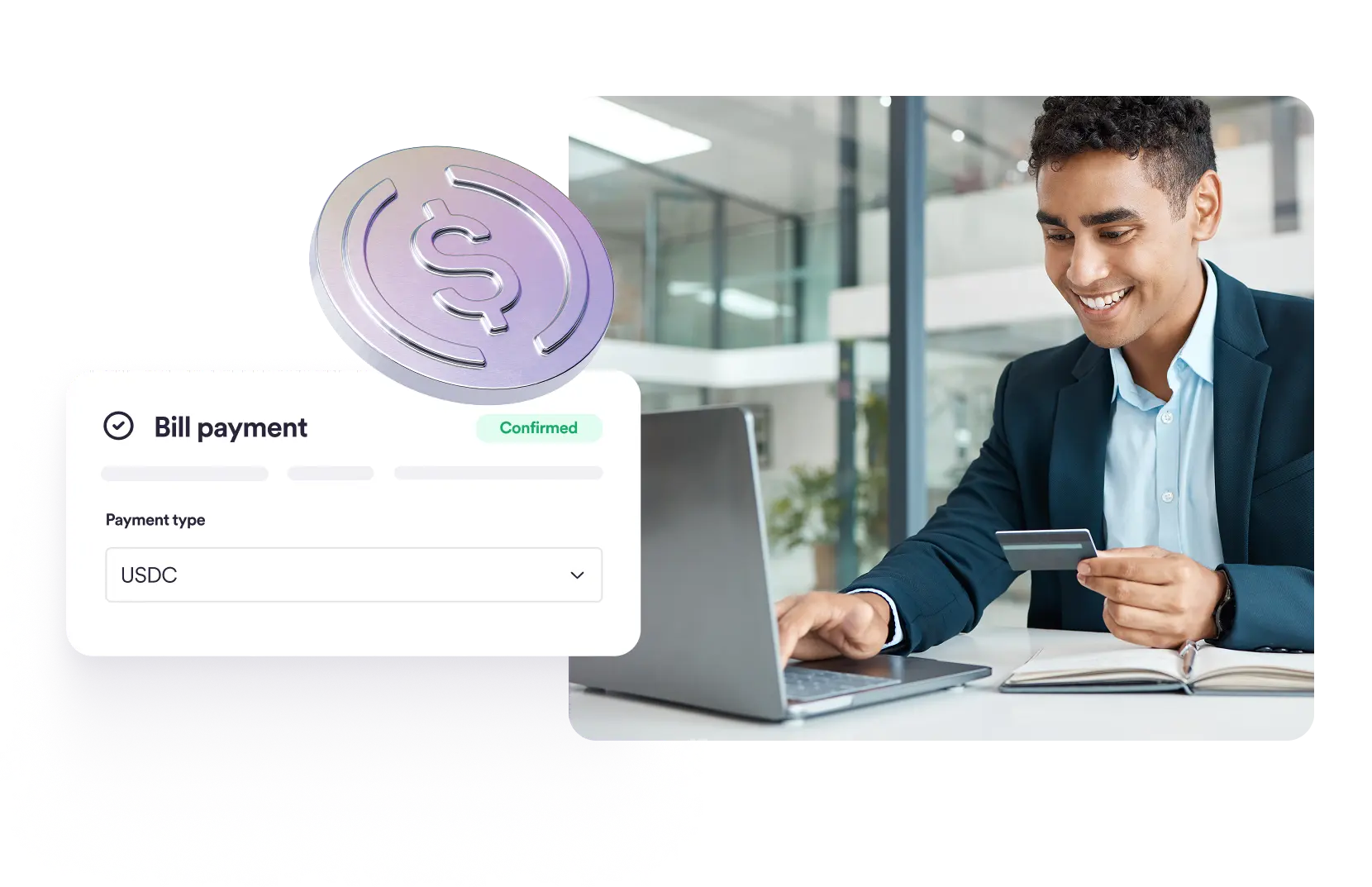
Exchange integrations provide another path. Some platforms allow direct conversion of crypto holdings into USDC for rent payments, leveraging the liquidity of major exchanges to ensure the transaction settles instantly. This approach is particularly useful for users who hold volatile assets and want to lock in a stable value for their monthly obligations.
The stability of USDC is the foundation of this entire process. Because USDC is pegged to the US dollar, the value you send is the value the landlord receives, minus network fees. This predictability is what makes it a viable alternative to traditional wire transfers or checks, which can take days to clear and often incur higher processing costs.
- Verify the landlord's preferred payment method.
- Ensure your wallet has enough USDC for the fee.
- Confirm the settlement rail supports instant fiat conversion.
- Keep records of the transaction hash for your files.
Landlord adoption and compliance
Accepting USDC for rent solves the liquidity problem for tenants, but it introduces a new set of administrative hurdles for property owners. For most landlords, the transition isn't just about accepting a new payment method; it's about integrating digital assets into existing tax and accounting frameworks.
The primary concern is tax classification. The IRS treats cryptocurrency as property, not currency. This means every transaction—whether you hold the USDC or convert it to fiat immediately—is a taxable event. If you accept USDC and hold it while its value fluctuates, you may face capital gains or losses that complicate your annual filings. Unlike traditional bank transfers, these digital movements leave a permanent, immutable ledger that tax authorities can audit. You must track the fair market value of the USDC at the exact moment of receipt to report it correctly as rental income.
Accounting complexity also rises. Standard property management software rarely supports crypto-ledger reconciliation. Many landlords find themselves manually calculating the USD value of each payment at the time of receipt, then recording the corresponding asset entry. This manual overhead can quickly outweigh the convenience of faster settlement. For small-scale landlords, the time spent reconciling these entries often exceeds the benefit of reduced processing fees.
Legal acceptance is another layer of complexity. While USDC is a stablecoin pegged to the US dollar, it is not legal tender. Landlords are not legally required to accept it unless they voluntarily agree to a lease amendment. Additionally, some local jurisdictions have specific regulations regarding digital asset transactions that may affect lease enforceability or eviction proceedings if payments are disputed. Before accepting USDC, landlords should review their local rent control laws and ensure their lease agreements explicitly define how crypto payments are valued and processed.
The risk is high, but the infrastructure is evolving. As more property management platforms integrate native crypto support, the accounting burden will likely decrease. For now, however, landlords must treat USDC payments with the same scrutiny as international wire transfers or foreign currency exchanges.
The rental market meets digital dollars
The rental industry is undergoing a structural shift. Digital rent payments have grown more than tenfold over the past decade, rising from just 4% in 2014 to 51% in 2025, according to Rentec Direct. This surge reflects a broader adoption of electronic settlement rails, moving the $21 billion annual rental payment volume away from traditional checks and ACH toward faster, programmable money.
USDC has emerged as a primary vehicle for this transition. Its peg to the US dollar and regulatory clarity make it a practical alternative to fiat for both tenants and landlords. The asset's liquidity on major chains ensures that payments settle quickly, reducing the friction often associated with cross-border or high-volume transactions.
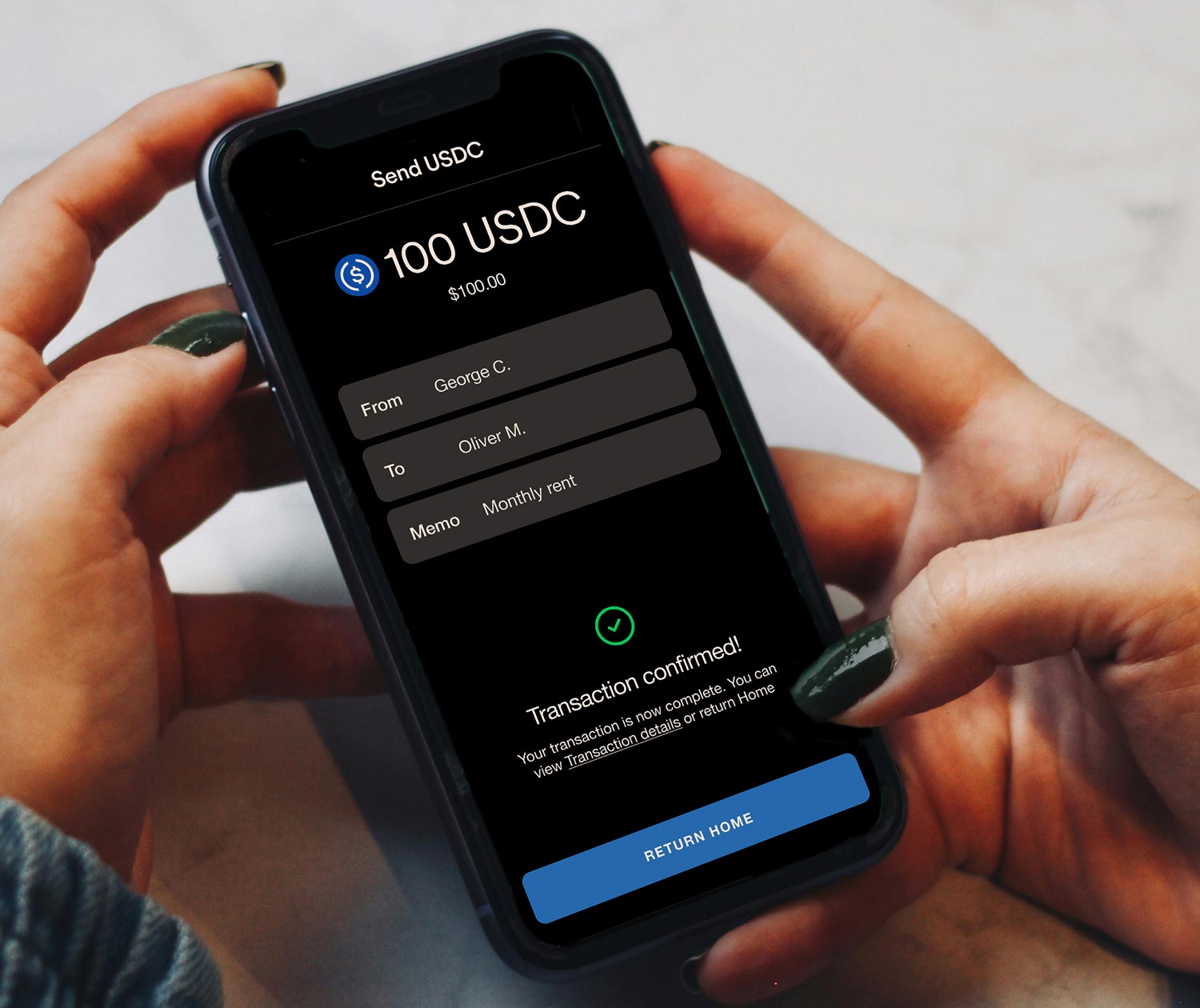
While the rental market itself shows signs of cooling, with median asking rents falling in 15 metro areas as of February 2026, the demand for efficient payment methods remains strong. Tenants are increasingly looking for ways to leverage digital assets, including using yield-bearing stablecoins to offset housing costs.
The intersection of these trends creates a unique economic environment. Landlords can access stable, instant liquidity, while tenants can potentially earn yield on their rental funds before payment. This dynamic is reshaping how rental agreements are structured and settled, moving toward a more integrated financial ecosystem.
Pick a payment rail that balances speed and cost
Paying rent with USDC is not a single transaction; it is a supply chain of transfers. You need to choose a settlement path that matches your landlord’s technical comfort and your own risk tolerance. The three main options are direct on-chain transfers, bridge services that convert to fiat, and exchange-to-exchange conversions.
Direct transfers are the most transparent. You send USDC directly from your wallet to the landlord’s wallet address on Ethereum, Polygon, or Solana. This method offers the lowest fees but requires the recipient to have a self-custodial wallet and the technical ability to verify receipts. It is ideal for landlords who are already crypto-native.
For landlords who do not hold crypto, bridge services like TrustLinq act as a settlement layer. You send USDC to the bridge, and they remit fiat to the landlord’s bank account. This adds a layer of convenience and eliminates the landlord’s exposure to volatility, though it introduces a small service fee and a slight delay in settlement.
Alternatively, you can convert USDC to fiat on a centralized exchange like Coinbase and then transfer via ACH or wire. This is the most familiar method for traditional finance users but often incurs the highest fees and longest processing times. Use the comparison below to weigh these trade-offs.
| Method | Speed | Cost | Complexity |
|---|---|---|---|
| Direct On-Chain | Seconds to minutes | Network gas fee | High (requires wallet) |
| Bridge Service | 1-2 business days | 1-2% service fee | Medium |
| Exchange Conversion | 3-5 business days | 3-5% total fees | Low |
If you are handling significant amounts of USDC yourself, security is paramount. A hardware wallet ensures that your private keys never touch an internet-connected device, protecting your rent money from phishing and exchange failures.


As an Amazon Associate, we may earn from qualifying purchases.
No comments yet. Be the first to share your thoughts!