The shift from direct transfers to automated settlement
Paying rent with USDC has moved beyond the early days of copying and pasting wallet addresses. While sending stablecoins directly to a landlord’s wallet is still possible, it is no longer the dominant model for mainstream adoption. The infrastructure has evolved to prioritize reliability and legal compliance, shifting the burden of conversion from the property manager to specialized settlement bridges.
The core friction in early crypto rent payments was the landlord’s exposure to volatility and the complexity of receiving digital assets. Most property managers operate on traditional banking rails and require fiat currency to cover maintenance, taxes, and payroll. Direct wallet transfers forced landlords to either accept digital asset risk or manage their own off-ramping processes, which introduced delays and potential compliance gaps.
Today’s market standard relies on automated settlement infrastructure. These platforms act as intermediaries that accept USDC from the tenant and instantly settle the equivalent fiat amount into the landlord’s bank account. This model preserves the speed and low-cost benefits of blockchain for the payer while providing the familiar, stable experience expected by the recipient. It effectively decouples the payment method from the settlement currency, allowing USDC to function as a transparent, programmable layer over traditional real estate transactions.
This infrastructure shift has been driven by regulatory clarity and the need for standardized accounting. By routing payments through licensed financial institutions, these settlement bridges ensure that transactions meet anti-money laundering (AML) standards and provide clear audit trails for both tenants and landlords. The result is a system where USDC serves as the efficient settlement layer, while traditional banking handles the final delivery of value.
Settlement bridges and payment rails
Most landlords do not accept cryptocurrency directly. They expect rent payments to arrive as standard fiat currency in their checking accounts. This mismatch creates a friction point for tenants who hold assets in self-custodial wallets. The solution lies in settlement bridges—specialized infrastructure that converts your digital assets into bank transfers on your behalf.
Think of a settlement bridge as a specialized exchange window. You send USDC from your private wallet to the bridge service. The service then executes a bank transfer to your landlord. The landlord never sees the crypto; they only see a deposit from a familiar banking partner. This mechanism solves the largest usability problem in the industry: the disconnect between on-chain value and off-chain obligations.
The process is straightforward but requires careful attention to settlement times. When you initiate a payment, the bridge typically sells your USDC for USD or EUR. The fiat funds are then moved via ACH, wire, or local payment rails to the landlord’s bank. Because the landlord receives traditional currency, the transaction is legally equivalent to a check or bank draft. This distinction is critical for lease compliance and tenant-landlord law.

As an Amazon Associate, we may earn from qualifying purchases.
Not all bridges are created equal. Some services operate as licensed money transmitters, offering higher compliance security but potentially higher fees. Others rely on partnerships with regulated banks to move funds. For high-stakes payments like monthly rent, choosing a bridge with clear regulatory standing is essential. You are not just moving money; you are ensuring the payment is recognized as valid by your landlord’s bank and lease agreement.
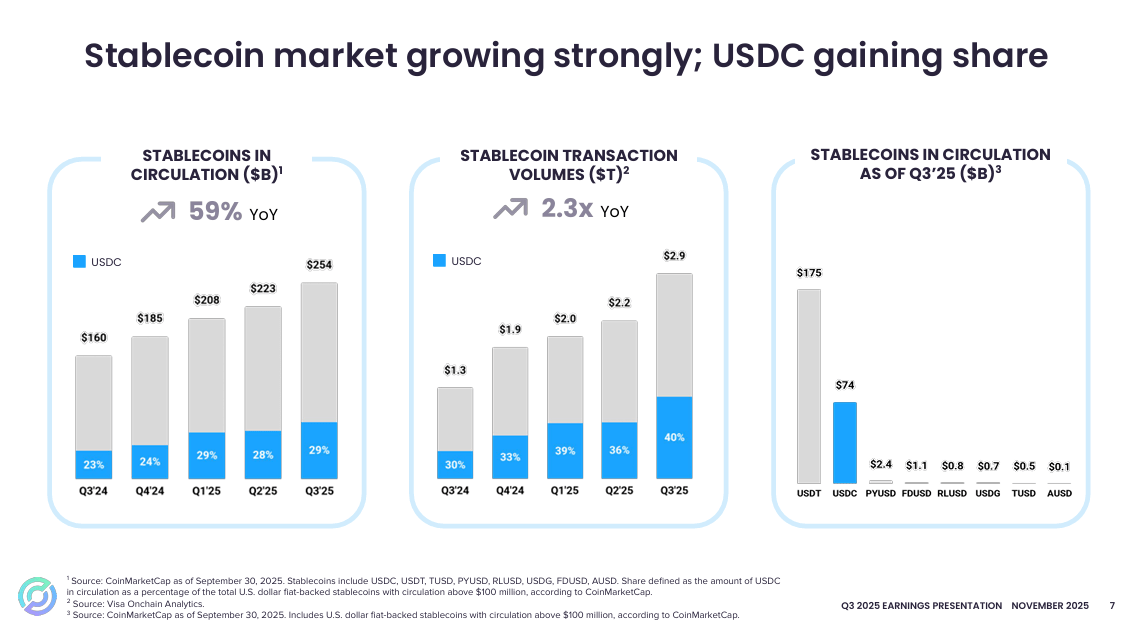
While USDC is the dominant asset for these transactions due to its 1:1 peg to the dollar and low transaction fees on networks like Solana or Ethereum L2s, the underlying rail matters less than the settlement speed. A bridge that guarantees next-day fiat settlement provides peace of mind that a direct on-chain transfer to a landlord’s wallet cannot. It turns volatile, complex crypto holdings into stable, predictable rent payments.
Automating recurring rent payments
Automating rent with USDC shifts the burden of manual transfers from your calendar to the blockchain. Instead of remembering due dates or waiting for wire confirmations, you set up a schedule that executes on-chain. This requires linking your self-custodial wallet to a settlement layer that can handle either direct USDC transfers or auto-conversion to fiat for landlords who do not hold crypto.
The infrastructure for this automation relies on two main paths: direct on-chain payments or bridge-to-fiat settlement. Direct payments are simpler but require your landlord to accept USDC. Bridge services act as a middle layer, converting your USDC to USD and depositing it into the landlord’s bank account, solving the usability gap for traditional leases.

Before setting up automation, confirm whether your landlord accepts USDC directly or requires fiat. If they accept USDC, obtain their wallet address and the preferred network (e.g., Ethereum, Solana, or Polygon). If they need USD, identify a settlement provider like TrustLinq or Spritz that can bridge your self-custodial wallet to their bank account.
Link your non-custodial wallet (such as MetaMask, Phantom, or a hardware wallet) to the chosen payment platform. This step ensures you retain control of your private keys while allowing the platform to initiate transactions on your behalf. Complete any required KYC checks if using a bridge service that settles in fiat.
Input the specific rent details into the platform. This includes the monthly amount, the due date, and the recipient address or bank account. For direct USDC payments, you will paste the landlord’s wallet address. For bridge services, you will verify the bank account details where the fiat should be deposited.
Deposit USDC into the platform’s linked wallet or enable auto-funding from your primary wallet. Set the recurring schedule to match your lease terms. Most platforms allow you to choose between paying from your existing balance or auto-converting from another asset. Ensure you maintain a sufficient buffer in your wallet to cover transaction fees (gas) and the rent amount itself.
Once the schedule is active, the platform will execute the payment on the due date. You will receive a notification confirming the on-chain transaction hash or the bank deposit. Keep these records for your lease compliance and tax reporting. Regularly review your wallet balance to ensure automation does not fail due to insufficient funds.
This setup transforms rent from a monthly chore into a background process. By leveraging existing settlement infrastructure, you reduce the risk of late fees and streamline your financial operations. The key is choosing the right bridge for your landlord’s needs and maintaining oversight of your wallet balances.
Rent With USDC Guide: Cost comparison with traditional methods
When you pay rent with USDC, you are bypassing the legacy financial rails that charge merchants for the privilege of processing your money. Understanding the fee structures of these different settlement methods reveals why stablecoin payments are becoming the preferred infrastructure for high-value transactions like rent.
Traditional credit card processors view rental payments as high-risk, high-value transactions. They charge merchants a percentage fee—typically between 2.5% and 3.5%—to cover interchange costs and fraud liability. On a $2,000 monthly rent payment, that translates to $50 to $70 in fees. These costs are often passed directly to tenants or absorbed by property management companies, creating a persistent drag on cash flow. In contrast, USDC settlements operate on blockchain infrastructure where fees are fixed and minimal, regardless of the transaction size.
ACH transfers offer a lower-cost alternative to credit cards, but they come with significant latency. While ACH fees are often flat or negligible for the sender, settlement times stretch across two to three business days. This delay creates a reconciliation gap for landlords who need immediate liquidity. USDC settles in seconds, providing the speed of a credit card with the low cost structure of a wire transfer.
To visualize the economic impact, compare the direct costs and settlement times of each method:
| Method | Typical Fee | Settlement Speed | Dispute Resolution |
|---|---|---|---|
| USDC (Stablecoin) | ~$0.01–$0.10 | Seconds | Irreversible (final) |
| Credit Card | 2.5–3.5% of rent | Instant (merchant) | High (chargebacks) |
| ACH Transfer | Flat or low | 2–3 business days | Moderate (bank protection) |
The choice of payment infrastructure is not just about convenience; it is about capital efficiency. Credit cards introduce volatility in the form of fluctuating percentage fees and the risk of chargebacks, which can reverse payments days after they are made. ACH transfers are predictable but slow, tying up capital in transit. USDC offers a neutral ground: the transaction is final, the fee is negligible, and the funds are available immediately for the recipient to use or settle into fiat if needed.
For landlords and tenants alike, moving to USDC settlements eliminates the middleman tax. You are no longer paying for the security layer of a credit card network when you can rely on the cryptographic finality of the blockchain. This shift reduces overhead for property managers and keeps more of your money in your own wallet.
Landlord adoption and legal considerations
For most property owners, accepting USDC isn't about speculation; it's about settlement speed and lower friction. The primary hurdle remains compliance. Landlords must ensure that accepting digital assets doesn't violate existing lease agreements or local housing regulations. In jurisdictions like Washington D.C., where rental housing laws are strict, adding a crypto payment layer requires careful review of standard operating procedures.
Tax implications are the next major consideration. The IRS treats cryptocurrency as property, not currency. This means every transaction where USDC is exchanged for fiat to pay a mortgage, insurance, or repairs triggers a taxable event. Landlords need to track the fair market value of USDC at the moment of receipt and again at the moment of conversion. Failure to report these capital gains or losses can lead to significant penalties during an audit.
The infrastructure for landlords is maturing. Instead of holding volatile assets, many are using settlement bridges that convert USDC to fiat instantly upon receipt. This allows landlords to receive the benefits of blockchain speed while maintaining the stability of traditional banking. For those ready to adopt, the key is choosing a processor that handles the tax reporting and compliance burden, turning a complex legal question into a simple accounting entry.
Common questions about USDC rent
What is the 30% rent rule?
The 30% rent rule is a standard financial guideline suggesting that tenants should allocate no more than 30% of their gross monthly income toward housing costs. This metric helps ensure that you retain sufficient liquidity for unexpected expenses, debt repayment, and long-term savings goals. When paying rent with USDC, this rule remains the primary benchmark for affordability, regardless of the settlement method used. Source
How to use USDC to pay bills?
Paying bills with USDC typically involves a bridge between your self-custodial wallet and traditional banking infrastructure. Services like Spritz allow you to link your bills and select "Pay from Wallet" to execute settlements. This workflow ensures that utility providers and other merchants receive standard fiat currency while you maintain control of your crypto assets. The process requires completing KYC verification and linking your preferred wallet to the platform. Source
How to pay rent with crypto?
The most effective way to pay rent with crypto in 2026 is by using a self-custodial to fiat settlement bridge. This service solves the largest usability problem in the industry by allowing you to fund a payment directly from your private wallet while your landlord receives a standard bank transfer. This approach eliminates the need for your landlord to manage cryptocurrency wallets or navigate exchange volatility. Source
No comments yet. Be the first to share your thoughts!