Why USDC dominates rent payments
When choosing a digital asset for rent, stability and cost matter more than hype. USDC has become the primary stablecoin for rental transactions because it offers a near-perfect peg to the US dollar, low transaction fees, and broad regulatory clarity. Unlike volatile cryptocurrencies that can swing in value overnight, or traditional bank wires that move slowly and carry hidden costs, USDC provides a reliable, fast, and predictable payment rail.
The financial advantage is immediate. Many tenants and landlords report that paying with USDC avoids the standard 2.5% processing fees associated with credit cards or other crypto options. As one user noted on Reddit, "With USDC there are no fees while everything else has about a 2.5% fee. So, I obviously chose USDC." This fee structure makes USDC particularly attractive for high-value transactions like monthly rent, where even a small percentage adds up to significant savings.
Beyond fees, regulatory clarity gives both parties confidence. USDC is issued by Circle, a US-regulated financial institution, which means it is backed by cash and short-dated US treasuries. This transparency reduces the risk of de-pegging or sudden loss of value, a concern that persists with less regulated stablecoins. Major rental platforms like Rent.App have integrated USDC support, allowing users to pay rent directly with no additional platform fees. This infrastructure ensures that the asset you hold is the same asset you can spend, without friction or unexpected costs.
Direct wallet transfers vs settlement bridges
When you pay rent with USDC, the money doesn't just appear in your landlord's bank account. It has to travel there. There are two main paths for this journey, and choosing the right one depends entirely on who is on the other side of the lease.
The first path is a direct wallet transfer. This is the purest form of crypto payment. You send USDC from your wallet directly to the landlord's or property management company's wallet address on a blockchain like Ethereum, Polygon, or Base. This path is best if your landlord is crypto-native and comfortable managing digital assets themselves. It is fast, cheap, and bypasses traditional banking rails.
The second path uses a fiat settlement bridge. These are apps and platforms that act as intermediaries. You pay them in USDC, and they handle the complex work of converting it into dollars and depositing it into the landlord's traditional bank account. This path is essential if your landlord is a traditional entity that only accepts ACH or wire transfers. It adds a layer of convenience but usually comes with higher fees.
Compare the infrastructure paths
The table below breaks down the practical differences between sending USDC directly and using a settlement bridge. The choice often comes down to who controls the final dollar.
| Feature | Direct Wallet Transfer | Fiat Settlement Bridge |
|---|---|---|
| Who receives the money? | Landlord's crypto wallet | Landlord's bank account |
| Conversion to USD? | No (Landlord handles it) | Yes (Automated) |
| Typical cost | Network gas fees only | Transaction fee + FX spread |
| Speed of settlement | Minutes (blockchain dependent) | 1-3 business days |
| Best for | Crypto-savvy landlords | Traditional property managers |
When to use direct transfers
Direct transfers are ideal if you are renting from a crypto-friendly landlord or a decentralized autonomous organization (DAO) that manages property. The process is simple: you ask for their wallet address and the preferred network. Apps like COCA.xyz allow you to automate these payments, ensuring they go out on time without manual intervention every month.
The main advantage is transparency and lower cost. You avoid the markup that settlement bridges charge for currency conversion. However, this requires the landlord to have a wallet set up and the technical knowledge to manage their incoming USDC. If they don't know how to use a wallet, this path will fail.
When to use settlement bridges
Settlement bridges are the standard for most residential leases. Most landlords and property management companies do not have crypto wallets and cannot process blockchain transactions. They need dollars in their bank accounts to pay mortgages, taxes, and utilities.
Platforms like UrbanPayX specialize in this bridge. They accept your USDC, convert it to USD, and deposit it into the landlord's bank account. This ensures the landlord gets exactly what they expect, while you pay in the stablecoin you hold. The trade-off is that you pay a fee for this service, which covers the conversion and the banking integration. It is the safest route for traditional rental agreements.
Set up automated USDC rent payments
Automating your rent with USDC removes the friction of manual transfers and ensures your landlord gets paid on time, every time. Whether you pay your landlord directly in stablecoins or use an intermediary app to convert to fiat, the setup is straightforward. The goal is to establish a "set it and forget it" workflow that mirrors the reliability of traditional ACH payments but with the speed of blockchain.
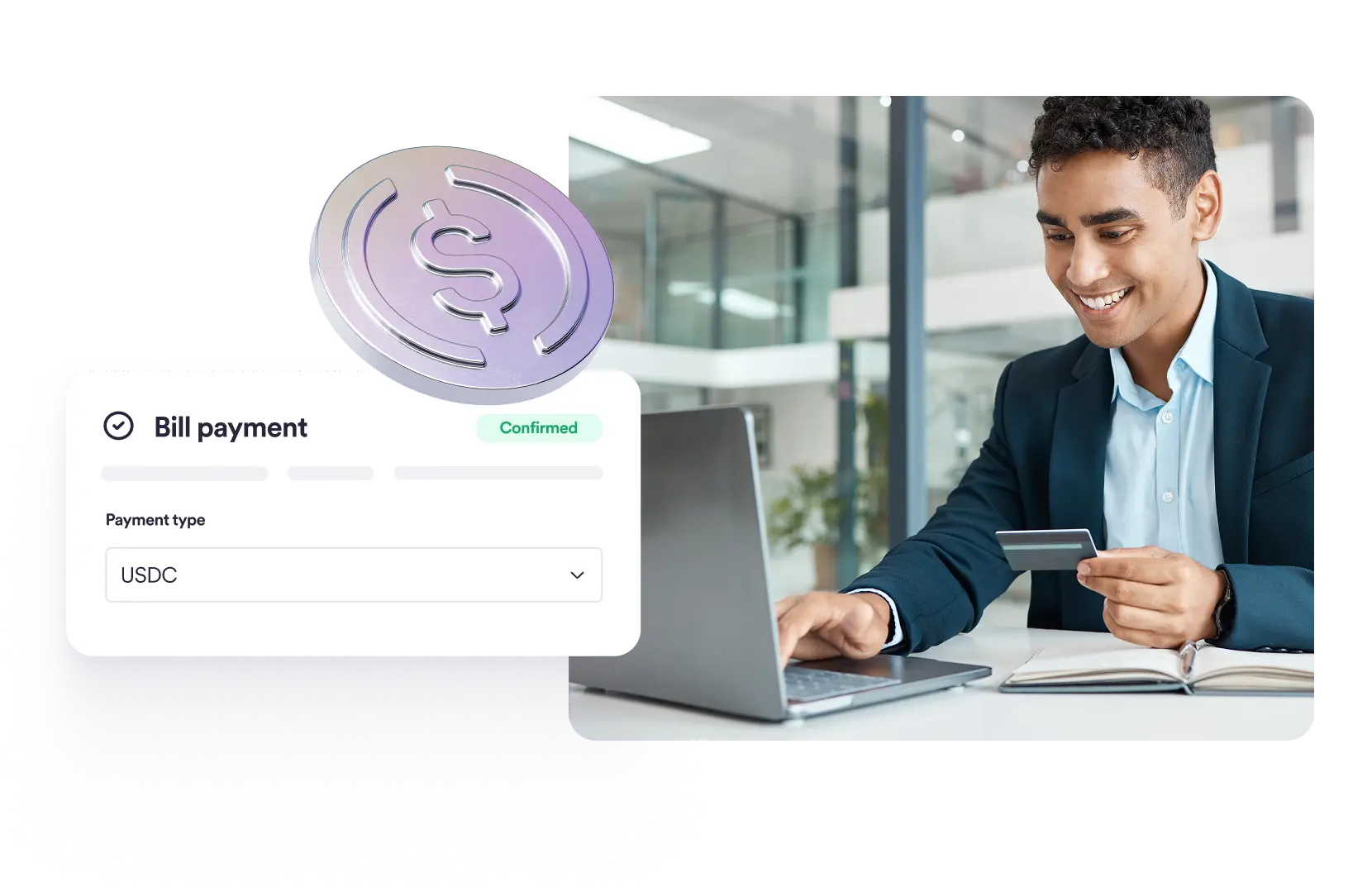
Before configuring any software, confirm how your landlord wants to receive funds. Some accept USDC directly on networks like Ethereum or Solana. Others prefer receiving traditional USD in their bank account. If they accept direct USDC, ask for their wallet address and the preferred blockchain network to avoid lost funds. If they need fiat, you will need a platform that handles the conversion automatically.
Select a tool that matches your landlord’s preference. If direct payment is possible, you can use a self-custody wallet like Coinbase Wallet or MetaMask to send funds. If your landlord requires fiat, use a dedicated rental platform like Rent.App, which allows tenants to pay in USDC or USDT while the platform handles the conversion to dollars for the landlord, often with no additional fees for the tenant.
Link your bank account or exchange wallet to your chosen payment method. For direct transfers, ensure your USDC balance is sufficient. For app-based solutions, authorize the recurring payment by linking your external bank account or crypto wallet. This step establishes the liquidity pool that will be drawn from when the rent is due.
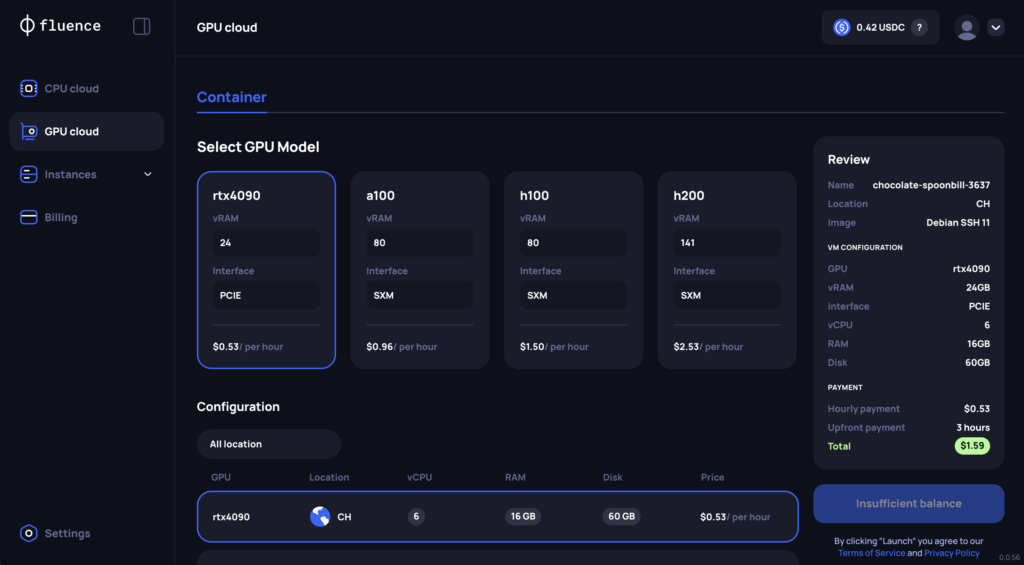
Set the specific date and amount for the automated transfer. Align this with your pay cycle to ensure funds are available. Most platforms allow you to set a "buffer" period or a specific cutoff time to account for blockchain confirmation delays. Double-check the timezone settings to ensure the payment triggers correctly, especially if you are traveling or working across different regions.
Before relying on automation for your full rent amount, run a small test transaction. Send a minimal amount (e.g., $1) to verify that the address, network, and app permissions are correct. Once confirmed, you can confidently set up the full recurring payment, knowing the infrastructure is working as intended.
Tracking USDC liquidity for rent payments
You need to know that the dollars backing your rent are actually there. USDC is pegged to the US dollar, but monitoring its market health gives you a quick pulse check on the infrastructure. If liquidity dries up or the peg wobbles, your payment might hit a snag. This isn't about day trading; it's about verifying that the rails are clear.
Start with the price chart. A stablecoin should stay flat against the dollar. If you see significant deviation, pause and check the cause. The chart below shows the standard stability you should expect from USDC/USD. Any sharp spikes or drops are worth investigating before you initiate a large transaction.
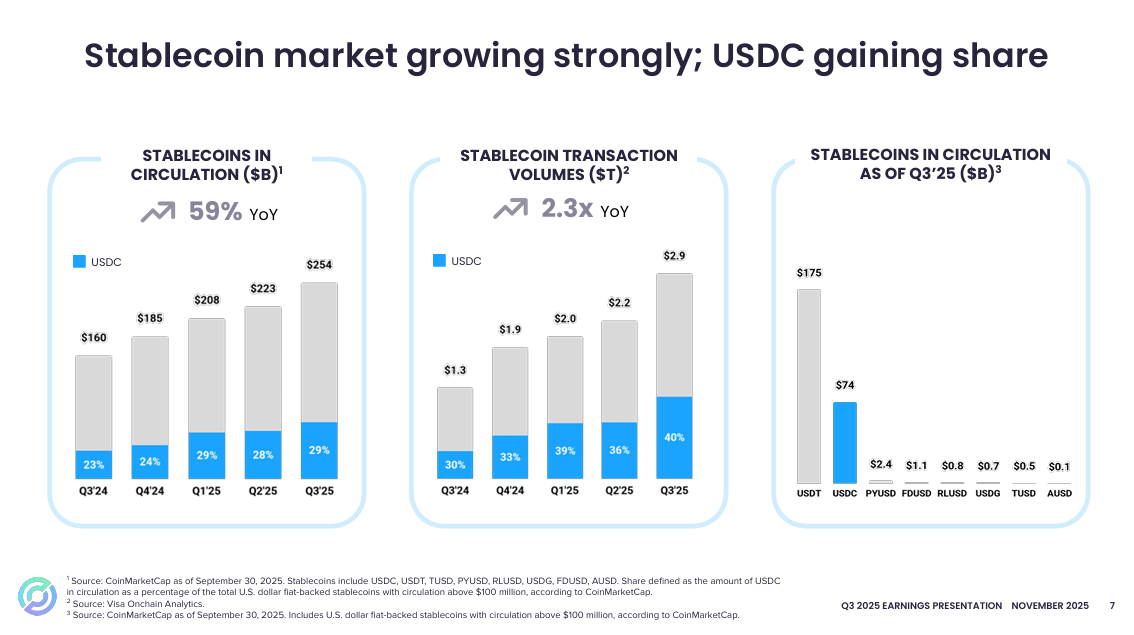
For deeper liquidity checks, look at on-chain volume and reserve attestations. Circle publishes monthly reports verifying the cash and short-term US treasuries backing the supply. You can also use tools like DeFi Llama to see which networks have the most USDC locked. High volume on your specific network (like Solana or Ethereum) usually means faster, cheaper, and more reliable settlement for your rent.
Secure Your USDC With Hardware Wallets
Holding significant USDC balances for rent or savings requires more than just a hot wallet on your phone. You need a hardware wallet to keep your private keys offline, protecting your funds from phishing attacks and malware. For both tenants managing monthly payments and landlords holding large deposits, this is the single most important piece of infrastructure you can buy.
When choosing a device, prioritize established brands with strong security track records. Ledger and Trezor are the industry standards, offering robust support for USDC on networks like Ethereum and Solana. These devices act as physical vaults, ensuring that even if your computer is compromised, your funds remain safe.
Look for models with clear screen interfaces to verify transaction details before signing. This visual confirmation prevents malicious software from altering recipient addresses during a transaction. It is a small feature that provides massive peace of mind when moving money.


As an Amazon Associate, we may earn from qualifying purchases.
Common questions about USDC rent
Using stablecoins for housing payments is straightforward, but it raises specific questions about taxes, acceptance, and technical reliability. Here is how the infrastructure handles these concerns.
How are USDC rent payments taxed?
For tenants, paying rent in USDC is generally treated the same as paying in fiat currency: it is a non-taxable expense. However, if you acquired the USDC through trading or staking, you may have already triggered a taxable event when you purchased or earned those tokens. Landlords receiving USDC must report it as rental income at the fair market value in USD at the time of receipt. Consult a tax professional to understand how your local jurisdiction treats stablecoin transactions.
Will my landlord accept USDC?
Most landlords do not yet accept crypto directly. If your landlord wants dollars, use a rental platform that auto-converts your USDC to fiat before depositing it into their bank account. If they accept USDC directly, ask for their wallet address and preferred network (e.g., Ethereum, Solana, or Polygon). Always verify the network compatibility to avoid sending funds to an incompatible address.
What happens if a transaction fails?
USDC transactions on most networks are near-instant and irreversible. If a transaction fails due to network congestion or insufficient gas fees, the funds typically return to your wallet after a few minutes. If the transaction is pending for an unusually long time, check the block explorer for the specific network. To avoid failures, ensure you have enough native tokens (like ETH or SOL) for gas fees and double-check the recipient’s address before sending.
No comments yet. Be the first to share your thoughts!