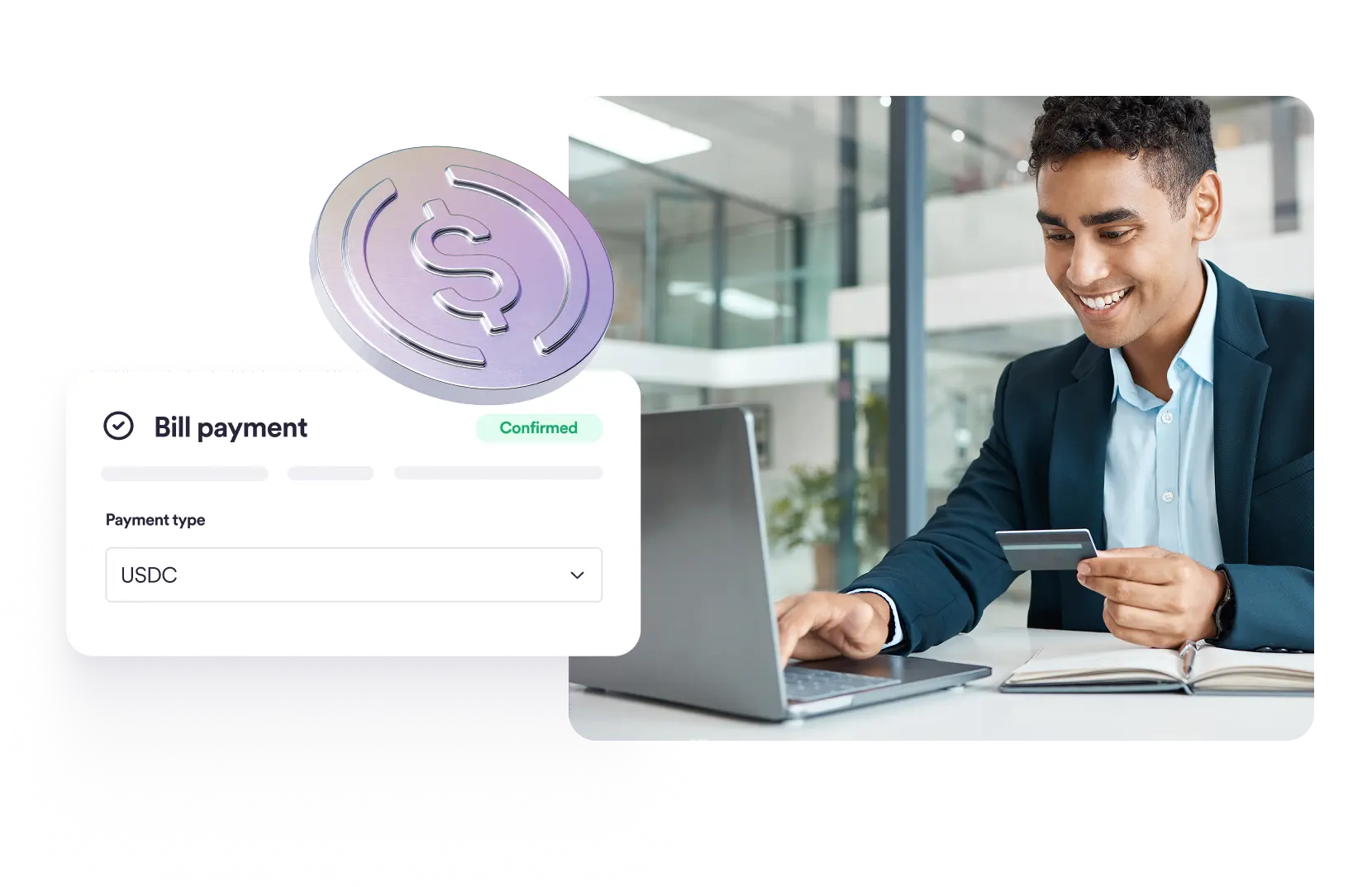
Why USDC is reshaping rental payments
The rental market has long been constrained by the friction of traditional banking rails. Credit card processing fees, typically ranging from 2% to 3%, eat directly into landlord revenue, while bank transfers can take days to clear, creating cash flow uncertainty. USDC addresses these structural inefficiencies by offering a stable, programmable alternative that settles instantly on-chain.
For landlords, the primary advantage is speed and cost. Unlike ACH transfers that may hold funds for several business days, USDC transactions confirm in seconds. This instant settlement reduces the risk of late payments and eliminates the waiting period associated with traditional check clearing or wire transfers. Additionally, lower transaction fees mean more of the rent dollar goes directly to the property owner rather than to payment processors.
The stability of USDC is anchored by its regulatory structure. As a fully reserved stablecoin, it is backed 1:1 by cash and short-dated U.S. Treasuries, ensuring that the value remains pegged to the dollar. This regulatory clarity, overseen by regulated financial institutions, provides a level of trust that speculative cryptocurrencies cannot offer. It transforms rent payment from a high-friction administrative task into a streamlined digital transaction, aligning real estate operations with modern financial infrastructure.
The infrastructure behind USDC rent settlements
When you send USDC to pay rent, the transaction moves through two distinct layers. First, your wallet sends the stablecoin on-chain to a designated address. Second, a licensed payment processor receives those funds and handles the conversion to fiat currency, depositing the final amount into your landlord’s bank account. This separation allows the landlord to receive traditional bank transfers without ever needing to manage a crypto wallet or deal with price volatility.
The payment processor acts as the bridge between the blockchain and the banking system. They are responsible for compliance checks, such as verifying identities against anti-money laundering (AML) rules, and managing the liquidity needed to settle fiat payments. For the tenant, this means the process looks like a standard digital transfer. For the landlord, it arrives as a familiar bank deposit, preserving the simplicity of traditional rent collection while leveraging the speed of stablecoin rails.
USDC/USD Stability and Volume
The stability of USDC is fundamental to its use in rent payments. Unlike volatile cryptocurrencies, USDC is pegged to the US dollar, ensuring that the value you send is the value the landlord receives. The chart above shows USDC’s price stability and trading volume over the last 90 days, highlighting the consistent liquidity available for these transactions.
Essential Tools for Crypto Renters


As an Amazon Associate, we may earn from qualifying purchases.
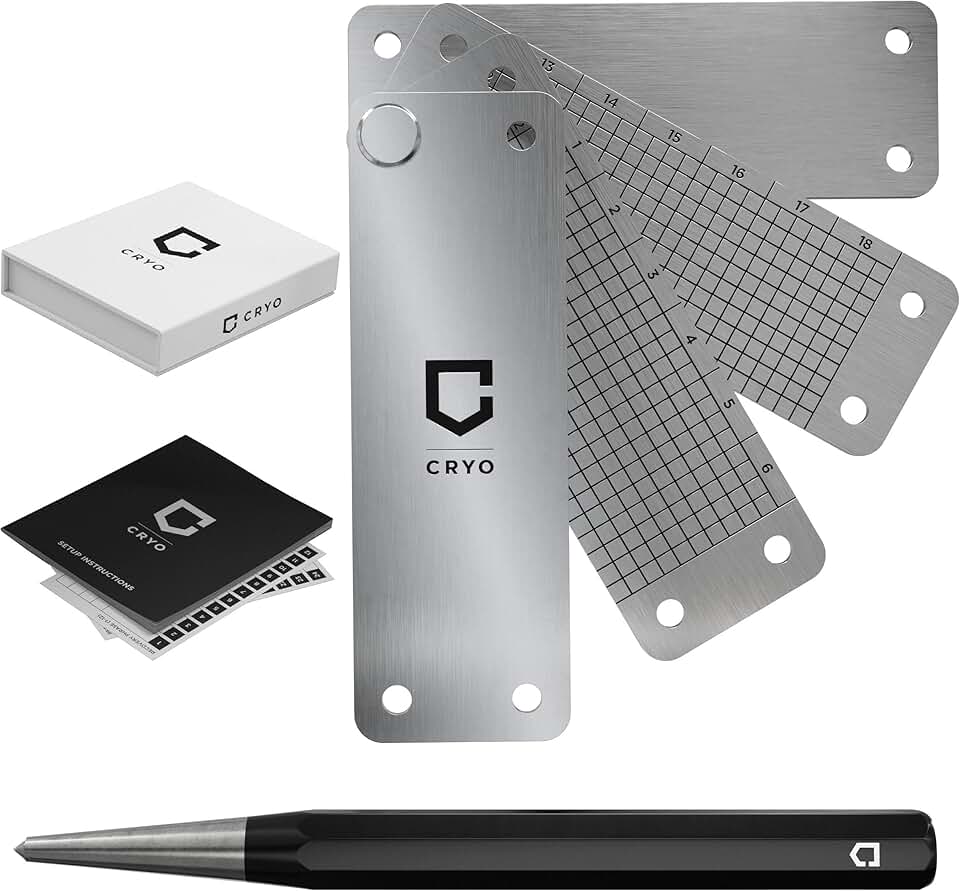
While the infrastructure handles the heavy lifting, securing your own crypto assets remains your responsibility. A hardware wallet provides the highest level of protection for the USDC you use to pay rent, keeping your private keys offline and safe from online threats. Pairing this with a durable backup kit ensures you can recover your funds if your device is lost or damaged.
Comparing USDC rent strategies for tenants
Paying rent in USDC is no longer a niche experiment; it is a practical option for tenants who want to preserve liquidity or earn yield on idle cash. However, the "how" matters as much as the "what." The method you choose dictates your fees, settlement speed, and whether your landlord actually accepts the payment.
There are three primary pathways for tenants to move USDC to a property manager or landlord: direct on-chain transfers, crypto debit cards, and specialized payment apps. Each has distinct trade-offs regarding cost and convenience.
Direct On-Chain Transfer
Sending USDC directly to a landlord’s wallet address is the most direct route. You initiate a transaction on a low-fee network (like Solana, Polygon, or Base) and the funds settle in seconds.
Pros: Near-zero transaction fees. Complete privacy if using a non-custodial wallet. No intermediary to freeze funds. Cons: Requires the landlord to have a compatible wallet and understand how to verify the transaction hash. Some property management software does not yet support direct crypto accounting.
Crypto Debit Cards
Using a card like the Coinbase Card or Crypto.com Card allows you to spend USDC at any point-of-sale terminal that accepts Visa or Mastercard. The card issuer converts your USDC to fiat in real-time.
Pros: Universally accepted. No need to coordinate with the landlord on wallet addresses. Immediate settlement from the landlord’s perspective. Cons: Card networks often charge a 2.5% to 3% foreign transaction or crypto conversion fee. You lose any yield earned on your USDC during the holding period. Some landlords may flag crypto card transactions as suspicious or ineligible.
Specialized Payment Apps
Platforms like Plutus or certain property management integrations act as intermediaries. You send USDC to the app, which then pays the landlord in fiat. These services often offer rewards or cashback.
Pros: Simplifies the process for landlords who only accept checks or ACH. May offer cashback or yield incentives for tenants. Cons: Higher fees than direct transfers. You must trust the platform with your funds. Settlement times can vary from instant to 1-3 business days depending on the platform’s banking partners.
Side-by-Side Comparison
The table below breaks down the key metrics for each method to help you decide which fits your situation.
| Method | Typical Fees | Settlement Speed | Landlord Acceptance |
|---|---|---|---|
| Direct On-Chain | ~$0.01-$0.10 | Seconds | Requires landlord wallet |
| Crypto Debit Card | 2.5%-3% | Instant (fiat) | Universal (Visa/MC) |
| Payment App | 1%-3% + platform fee | 1-3 days | High (fiat payout) |
Market signals and adoption trends in 2026
The landscape for stablecoin rental payments has shifted from experimental pilot programs to structured infrastructure. In 2026, the focus is no longer on whether crypto can move money, but on how reliably it integrates with existing property management systems. Major platforms are prioritizing settlement rails that offer instant finality, reducing the friction that once made digital asset rent feel like a liability for landlords.
Adoption is being driven by two distinct groups: property managers seeking to lower transaction fees and tenants looking for faster, borderless payment options. Unlike traditional wire transfers, which can take days to clear and incur high intermediary fees, stablecoin transactions settle on-chain in minutes. This speed is particularly valuable for cross-border tenants or international investors who previously faced significant delays and foreign exchange costs.
Regulatory clarity remains the primary catalyst for broader institutional acceptance. In key markets, financial authorities have begun to distinguish between speculative crypto assets and regulated stablecoins pegged to fiat currencies. This distinction allows property management firms to treat USDC payments similarly to electronic bank transfers for accounting purposes, provided they follow standard anti-money laundering (AML) protocols. The result is a safer environment where landlords can accept crypto without navigating a gray legal area.
Market data indicates a steady rise in the volume of real estate-related stablecoin transactions. While the total market cap of stablecoins fluctuates with broader crypto trends, the utility layer for real-world assets (RWAs) is growing more robust. Property management firms are beginning to offer "crypto-friendly" lease agreements as a competitive differentiator, attracting a demographic that values financial sovereignty and transparency.
The integration of oracle services and automated payment processors has also matured. These tools allow landlords to receive USDC while automatically converting it to fiat if desired, or holding it as a yield-generating asset. This flexibility removes the volatility risk that once deterred conservative investors, making stablecoin rent a practical option for both residential and commercial portfolios.
Common questions about paying rent with USDC
Paying rent with USDC is straightforward, but it’s important to understand how it fits into your broader financial picture. Below are answers to the most frequent questions about affordability, taxes, and practical usage.
No comments yet. Be the first to share your thoughts!