The shift to stablecoin rent rails
Commercial leasing has long been tethered to legacy banking infrastructure. For landlords and tenants alike, the traditional reliance on ACH transfers and wire payments introduces friction that modern business operations rarely tolerate. Payments often sit in clearing limbo for days, creating cash flow gaps and administrative overhead that drain resources from core business activities. This delay is not just an inconvenience; it is a structural inefficiency in how capital moves through the real estate sector.
The emergence of USDC as a settlement rail offers a direct alternative to these legacy systems. Unlike traditional bank transfers, which depend on intermediary banks and operating hours, USDC transactions settle in near real-time on public blockchains. This immediacy allows landlords to recognize revenue instantly and tenants to confirm payment without waiting for bank confirmations. The transparency of on-chain settlement also reduces the need for manual reconciliation, lowering the risk of errors or disputes over payment timing.
The reliability of this shift hinges on the stability of the underlying asset. USDC is designed to maintain a 1:1 peg with the US dollar, mitigating the volatility risks associated with other cryptocurrencies. This stability is critical for commercial leases, where predictable cash flows are essential for budgeting and financial planning. By using a stablecoin pegged to fiat, businesses can leverage the speed of blockchain technology without exposing themselves to market fluctuations.
To understand the current market context, it is useful to observe the stability of USDC against the US dollar over time. The following chart illustrates the price stability of USDC/USD, demonstrating the reliability of the peg that underpins these settlement advantages.
How USDC settlement beats traditional ACH
Commercial leasing involves large sums and tight timelines. Traditional banking rails like ACH and wire transfers introduce friction that USDC settlement removes. The difference isn't just about speed; it's about certainty.
With USDC, settlement is final and immediate. ACH transfers take two to three business days to clear, during which funds can be returned or reversed. Wire transfers are faster but expensive and limited to banking hours. USDC moves 24/7/365 with near-zero fees, allowing landlords and tenants to reconcile accounts in real time.
Programmable compliance is another advantage. Smart contracts can enforce lease terms automatically, releasing deposits or triggering late fees without manual intervention. This reduces administrative overhead and disputes.
The table below compares the core mechanics of both systems.
| Feature | ACH Transfer | Wire Transfer | USDC Settlement |
|---|---|---|---|
| Settlement Time | 2-3 Business Days | Same Day (Banking Hours) | < 1 Minute (24/7) |
| Cost | $0-$3 per transaction | $15-$30 per transaction | <$0.01 per transaction |
| Finality | Reversible for 3-5 days | Irreversible once sent | Irreversible upon confirmation |
| Availability | Mon-Fri, 9-5 | Mon-Fri, 9-5 | 24/7/365 |
| Compliance | Manual reconciliation | Manual reconciliation | Programmable via smart contracts |
For context on market conditions, here is the current price of USDC.
The shift to crypto rails is not just about avoiding fees. It's about aligning payment infrastructure with the speed of modern commerce.


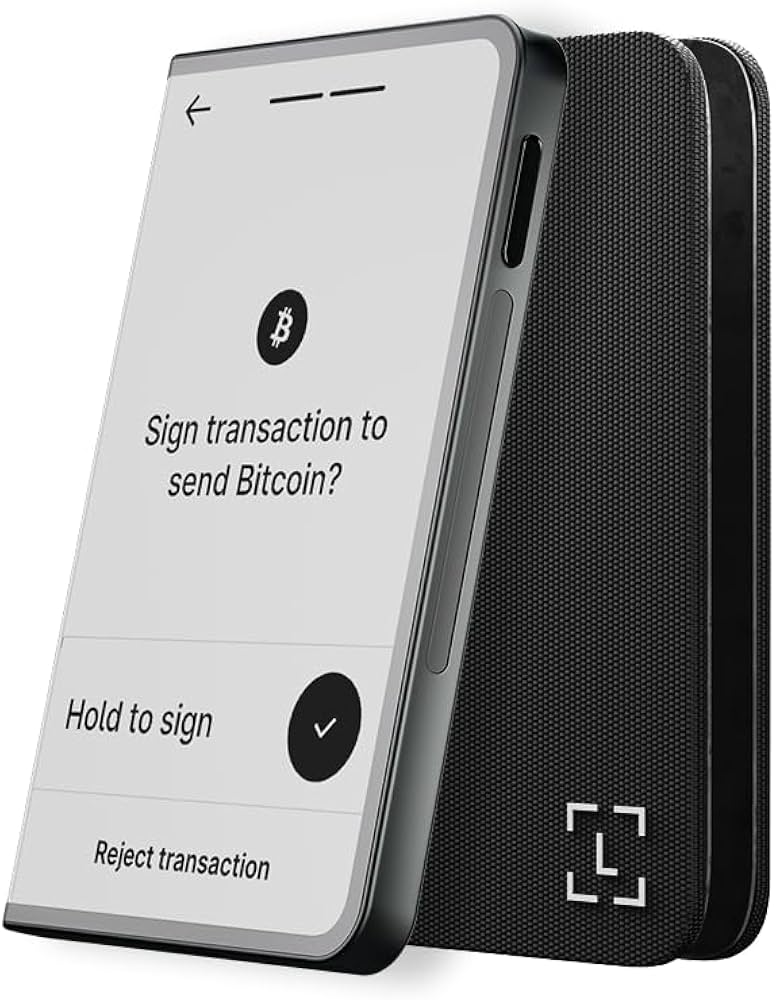
As an Amazon Associate, we may earn from qualifying purchases.
Key infrastructure players in the market
Getting rent paid in stablecoins is only half the equation. The other half is ensuring that money lands in the landlord’s bank account without friction or regulatory roadblocks. This is where specialized infrastructure providers step in. They act as the bridge between the blockchain and traditional banking rails, handling the compliance, conversion, and settlement that landlords need to operate safely.
Rent With USDC
Rent With USDC operates as both a research hub and a product integrator. Rather than building a new bank from scratch, they focus on integrating existing stablecoin rails into property management software. Their role is to provide the technical documentation and merchant accounts that allow landlords to accept USDC directly. They emphasize the stability of the asset, using the USDC peg to ensure that the value received today is the value deposited tomorrow. This approach minimizes volatility risk for both parties, making crypto payments as predictable as a wire transfer.
TrustLinq
TrustLinq takes a different approach by focusing heavily on the fiat settlement side. They provide a service that allows tenants to pay with various cryptocurrencies, which TrustLinq then converts and deposits directly into the landlord’s bank account. This is particularly useful for landlords who do not want to hold crypto assets or deal with wallet management. By handling the conversion internally, TrustLinq removes the need for landlords to understand blockchain technology, while still offering tenants a modern payment option. Their 2026 guide highlights how this service works even for tenants without traditional bank accounts, expanding the pool of potential renters.
Circle
At the core of this infrastructure is Circle, the issuer of USDC. While they do not process individual rent payments, their role is foundational. Circle ensures that USDC remains fully backed by cash and short-dated U.S. treasuries, providing the regulatory compliance and transparency that financial institutions require. Without Circle’s adherence to strict auditing standards and its partnerships with major banks, the entire ecosystem of crypto-rental payments would lack the trust necessary for commercial leasing. Their stability is the bedrock upon which Rent With USDC and TrustLinq build their services.
Navigating Compliance and Risk in Commercial Leasing
Commercial leases involve significant capital and long-term obligations, making compliance the backbone of any successful transaction. When integrating USDC into these agreements, the primary concern shifts from simple convenience to regulatory adherence. Unlike residential rentals, commercial entities must navigate a complex web of KYC (Know Your Customer) and AML (Anti-Money Laundering) requirements. Failing to verify the identity and source of funds for all parties involved can expose landlords and tenants to severe legal penalties and asset freezes.
Tax implications further complicate digital asset settlements. The IRS and international tax authorities treat cryptocurrency transactions as property exchanges, meaning each rent payment may trigger a taxable event based on the asset’s value at the time of transfer. Proper documentation is essential to track cost basis and report gains or losses accurately. Relying on unregulated or unofficial settlement channels increases the risk of losing this audit trail, potentially leading to incorrect filings and unexpected tax liabilities.
To mitigate these risks, it is critical to use regulated, official sources for all settlement activities. Reputable platforms that comply with financial regulations provide the necessary infrastructure for secure, auditable transactions. This includes maintaining clear records of transaction hashes, timestamps, and verified identities. By prioritizing compliance and using official channels, businesses can harness the efficiency of stablecoins without compromising on security or legal standing.
Compliance Note: Always consult with legal and tax professionals before implementing cryptocurrency payments for commercial leases. Regulations vary by jurisdiction, and non-compliance can result in significant financial and legal consequences.
The integration of USDC into commercial leasing offers speed and transparency, but it demands a rigorous approach to risk management. By focusing on verified identities, accurate tax reporting, and regulated platforms, businesses can ensure that their digital asset strategies are both innovative and compliant.
Steps to implement USDC rent payments
Transitioning commercial leases to USDC requires a structured approach to ensure compliance and seamless settlement. This workflow guides landlords and tenants through the technical and legal setup, moving from wallet creation to the first automated payment.
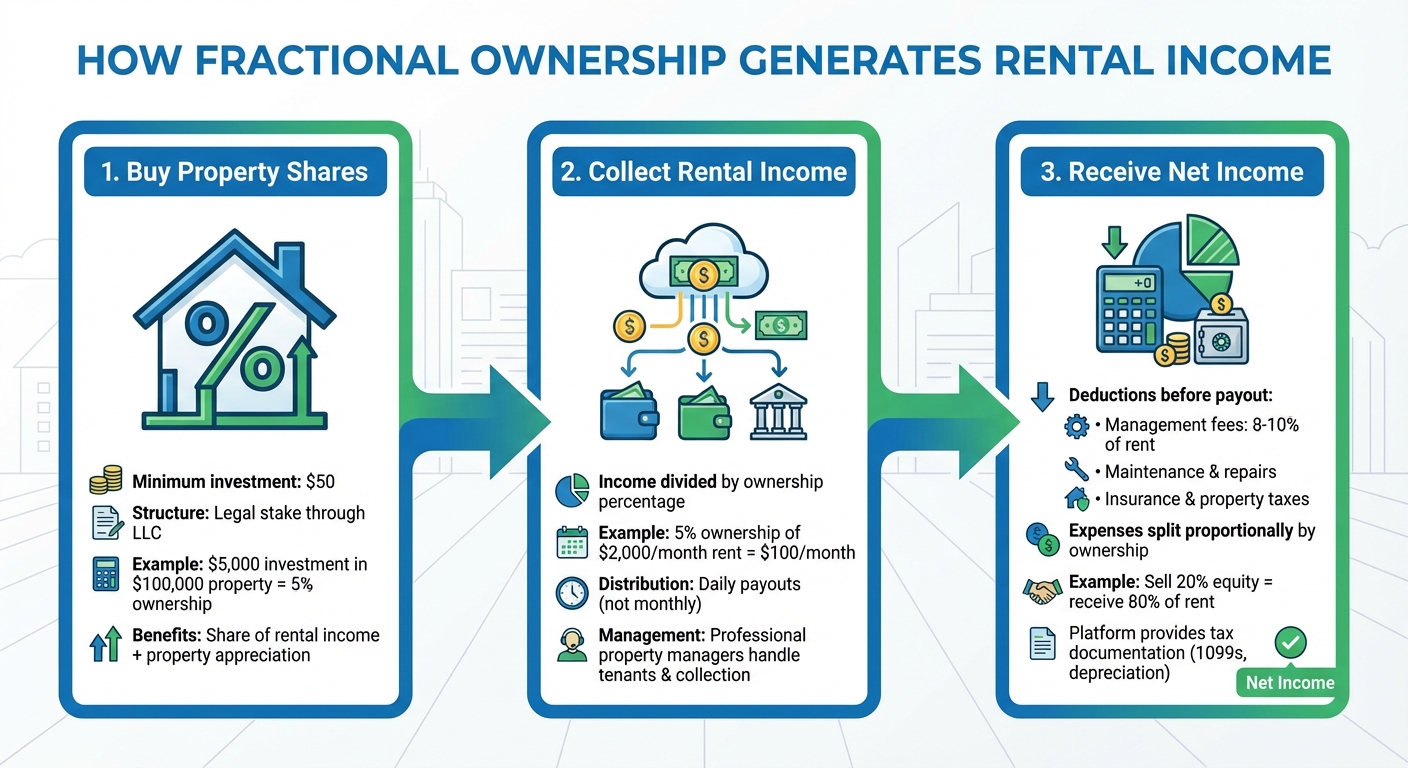
Both parties must establish a self-custodial wallet that supports USDC on the agreed blockchain network. Choose a provider with strong security features, such as multi-signature requirements for commercial accounts. Ensure the wallet is funded with enough native tokens (like ETH or SOL) to cover gas fees for transactions.
Commercial leasing demands strict adherence to Anti-Money Laundering (AML) and Know Your Customer (KYC) regulations. Use a regulated payment processor or a wallet provider that integrates identity verification. This step protects both the landlord and tenant from regulatory penalties and ensures the source of funds is legitimate.
Standard lease agreements rarely address cryptocurrency. Work with legal counsel to add a rider that specifies USDC as the legal tender for rent, defines the conversion rate mechanism (spot price at time of payment), and outlines how transaction fees are handled. This document is the legal backbone of your digital lease.
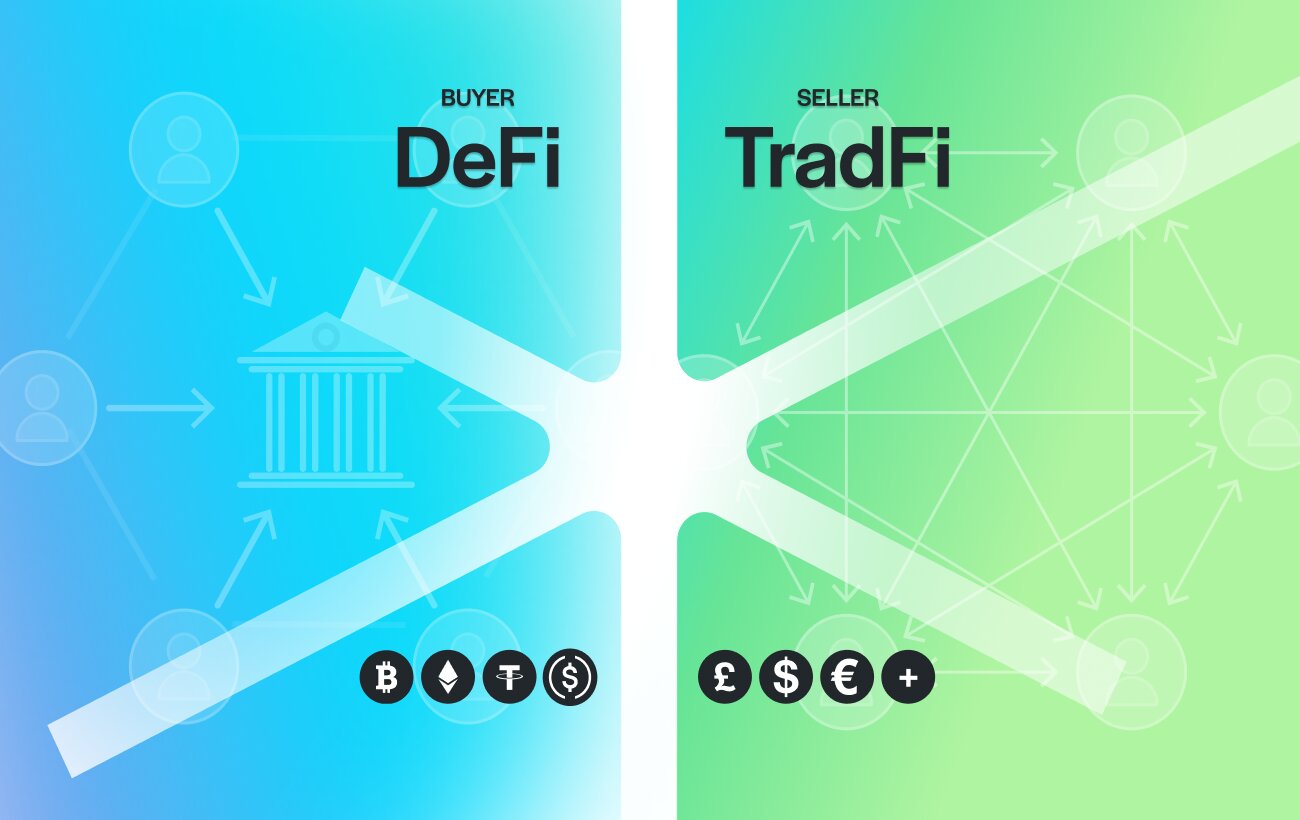
If the landlord requires fiat currency, integrate a bank bridge service like TrustLinq or a similar regulated provider. These services automatically convert USDC to USD and deposit it into your business bank account. Configure the bridge to execute on a schedule or upon receipt of the tenant’s payment.
Before the official lease start date, conduct a small test transaction. Send a nominal amount of USDC to verify that the wallet address is correct, the network is active, and the bank bridge processes the settlement within the expected timeframe. This prevents delays on the first actual rent due date.
Frequently asked questions about USDC rent
The transition from traditional fiat leasing to stablecoin settlements introduces specific compliance and practical questions. Here are the most common queries regarding USDC rent payments and the 30% rent rule context.
No comments yet. Be the first to share your thoughts!