Why USDC dominates rent payments
When it comes to paying rent, stability isn't just a nice-to-have—it's the entire point. While Bitcoin and Ethereum offer volatility that can make budgeting a guessing game, USDC (USD Coin) is built to mirror the US dollar, 1:1. This peg means you pay exactly what you owe, without worrying that the value of your payment might shift before the landlord receives it. For high-stakes monthly obligations, removing that price risk is the primary reason USDC has become the preferred stablecoin for housing transactions.
The second advantage is speed. Traditional ACH transfers can take three to five business days to clear, creating a window where late fees can accrue or funds are temporarily inaccessible. USDC transactions settle in minutes, regardless of the day or time. This immediacy provides certainty for both tenants and property managers, eliminating the "pending" anxiety that often accompanies digital bank transfers.
To verify this stability in real-time, you can check the current USDC/USD peg below. Seeing the price hold steady at $1.00 reinforces why this asset class is favored for recurring, fixed-cost payments like rent.
Liquidity is the final pillar of USDC's dominance. Because it is widely supported across major exchanges and payment rails, converting USDC to fiat currency for landlords who prefer traditional bank deposits is straightforward. This interoperability bridges the gap between crypto-native efficiency and traditional financial requirements, making it a practical choice for everyday housing costs rather than just a speculative holding.
How USDC Settlement Rails Move Money to Landlords
Moving USDC from a tenant’s wallet to a landlord’s bank account is not a direct peer-to-peer transaction. It requires a regulated fiat settlement bridge. These bridges act as the intermediary infrastructure that converts digital dollars into traditional bank deposits, ensuring compliance with anti-money laundering (AML) laws and providing the necessary audit trail for both parties.
For high-stakes financial decisions, relying on unregulated peer-to-peer transfers is risky. Instead, the process follows a specific technical workflow designed to protect both the payer and the payee. Understanding this infrastructure helps tenants avoid frozen funds and landlords avoid tax reporting nightmares.
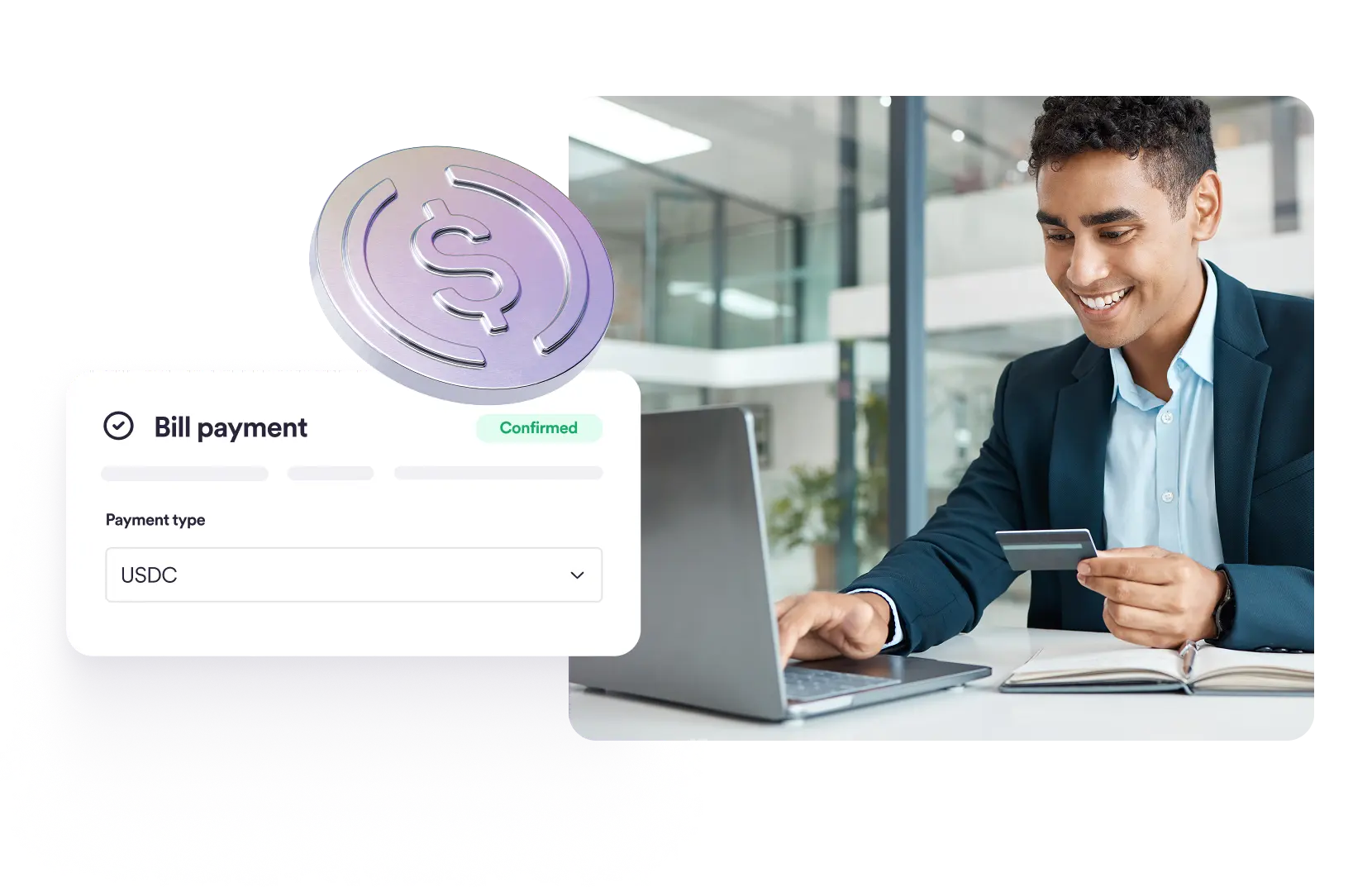
Before any funds move, the tenant must link their self-custodial wallet or exchange account to the payment processor. The landlord similarly registers their business entity and bank details. Both parties undergo Know Your Customer (KYC) verification. This step ensures that the bridge can legally facilitate the transfer and prevents illicit activity on the ledger.
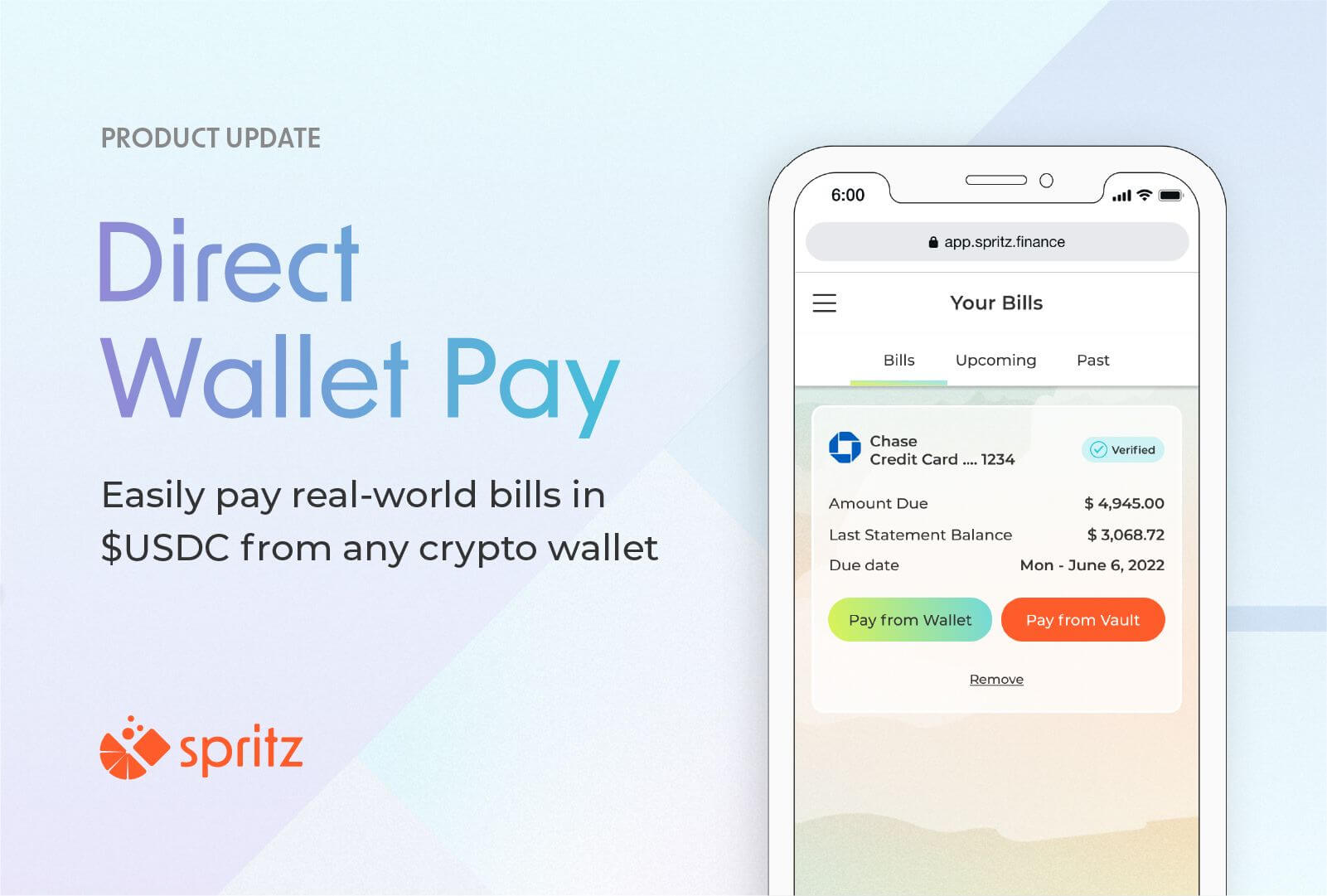
The tenant selects the USDC payment option and enters the lease amount. The transaction is signed on-chain, typically on a low-fee network like Solana or Base to minimize gas costs. The funds are transferred to the processor’s escrow wallet. At this stage, the money is locked in smart contract custody, preventing double-spending while the conversion process begins.
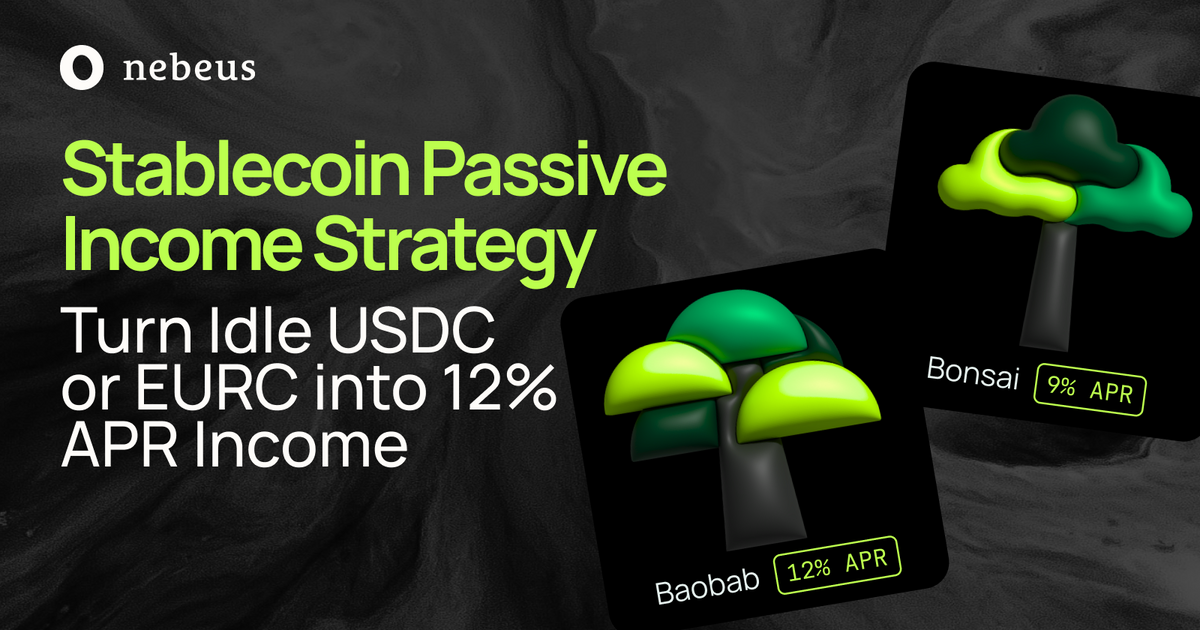
The processor converts the USDC to fiat currency (USD, EUR, etc.) using liquidity providers. This conversion happens almost instantly. The bridge then initiates a standard bank transfer (ACH in the US, SEPA in Europe) to the landlord’s designated account. The landlord receives traditional bank funds, not crypto, simplifying their accounting and tax reporting.
| Method | Speed | Compliance | Cost |
|---|---|---|---|
| Direct P2P Transfer | Instant | None | Gas fees only |
| Fiat Settlement Bridge | 1-2 days | Full KYC/AML | 1-2% fee |
Automating monthly rent cycles
Setting up recurring USDC payments transforms rent from a monthly administrative headache into a passive, automated process. By leveraging smart contract triggers or dedicated payment platforms, both tenants and landlords can ensure timely settlement without manual intervention. This workflow relies on pre-defined conditions—such as a specific date or a blockchain block height—to execute the transfer, removing the risk of forgotten due dates or late fees.
The infrastructure for this automation generally falls into two categories: dedicated crypto-payment gateways and direct smart contract deployments. Platforms like COCA offer user-friendly interfaces that handle the complexity of wallet management and transaction signing. These tools act as an intermediary, allowing tenants to set up recurring payments that are automatically deducted from their USDC balance and routed to the landlord’s wallet. For those comfortable with more technical setups, self-hosted smart contracts on networks like Polygon or Base can execute payments directly, offering lower fees and greater transparency.
To ensure this system works reliably, you must verify the network compatibility and liquidity. Most rent automation tools support USDC on low-fee, high-speed chains like Polygon, Ethereum Layer 2s, or Solana. Before automating, confirm that your landlord’s receiving wallet is configured for the same network. A mismatch here can result in lost funds or failed transactions, which defeats the purpose of automation.
While automation simplifies the payment side, it does not replace the need for a clear rental agreement. Ensure your lease explicitly states that USDC is an accepted form of payment and defines the exchange rate mechanism if the rent is pegged to fiat. This legal clarity, combined with technical automation, creates a robust system for monthly rent cycles.
Market signals and regulatory risks
Using USDC for rent is a long-term commitment, so understanding the asset’s stability and the rules around it is essential. Unlike volatile cryptocurrencies, USDC is designed to maintain a steady value, but its reliability depends on the strength of its reserves and the clarity of the regulatory environment. Before switching your housing payments to stablecoins, it helps to look at the underlying infrastructure.
Reserve health and transparency
Circle, the issuer of USDC, publishes monthly attestation reports to verify that every token in circulation is backed by cash and short-term U.S. Treasuries. This reserve structure is the primary safeguard for your rent payment. When you pay rent in USDC, you are relying on Circle’s ability to redeem those tokens for one U.S. dollar on demand. The recent shift toward holding reserves in direct U.S. Treasury bills has increased the transparency of these holdings, giving renters and landlords a clearer view of the asset’s backing.
Regulatory landscape
The regulatory path for stablecoins remains in flux, which introduces a layer of uncertainty. In the United States, the Office of the Comptroller of the Currency (OCC) has issued guidance allowing certain national banks to provide stablecoin custody services, signaling a gradual integration of crypto into traditional finance. Meanwhile, the European Union’s Markets in Crypto-Assets (MiCA) regulation sets strict standards for stablecoin issuers, requiring high-quality reserve assets and regular audits. For a renter, this means the legal framework is slowly hardening, but it is not yet fully settled globally.
Price stability in practice
The most immediate signal of USDC’s viability is its price stability. As a stablecoin, it is pegged to the U.S. dollar, meaning one USDC should always equal one USD. While minor deviations can occur during periods of extreme market stress, these are typically short-lived. Monitoring the price performance helps confirm that the peg holds under pressure, ensuring your rent payment doesn’t fluctuate in value between the time you send it and the time your landlord receives it.
Essential tools for stablecoin rent
Using USDC for rent requires a stack of compatible software. Tenants need wallets that support automated transfers, while landlords need gateways that handle the conversion to fiat or the receipt of on-chain payments without friction. The right tools turn a complex blockchain transaction into a routine utility bill.
For tenants, self-custody wallets like MetaMask or Rabby are the standard entry points. They allow you to hold USDC on networks like Ethereum or Polygon. To automate payments, integrate your wallet with platforms like COCA.xyz or TrustLinq. These services act as the bridge, allowing you to set up recurring USDC payments that settle directly to the landlord’s preferred address or bank account. TrustLinq, for instance, specializes in converting crypto to bank settlements, which is critical for landlords who do not want to hold digital assets.
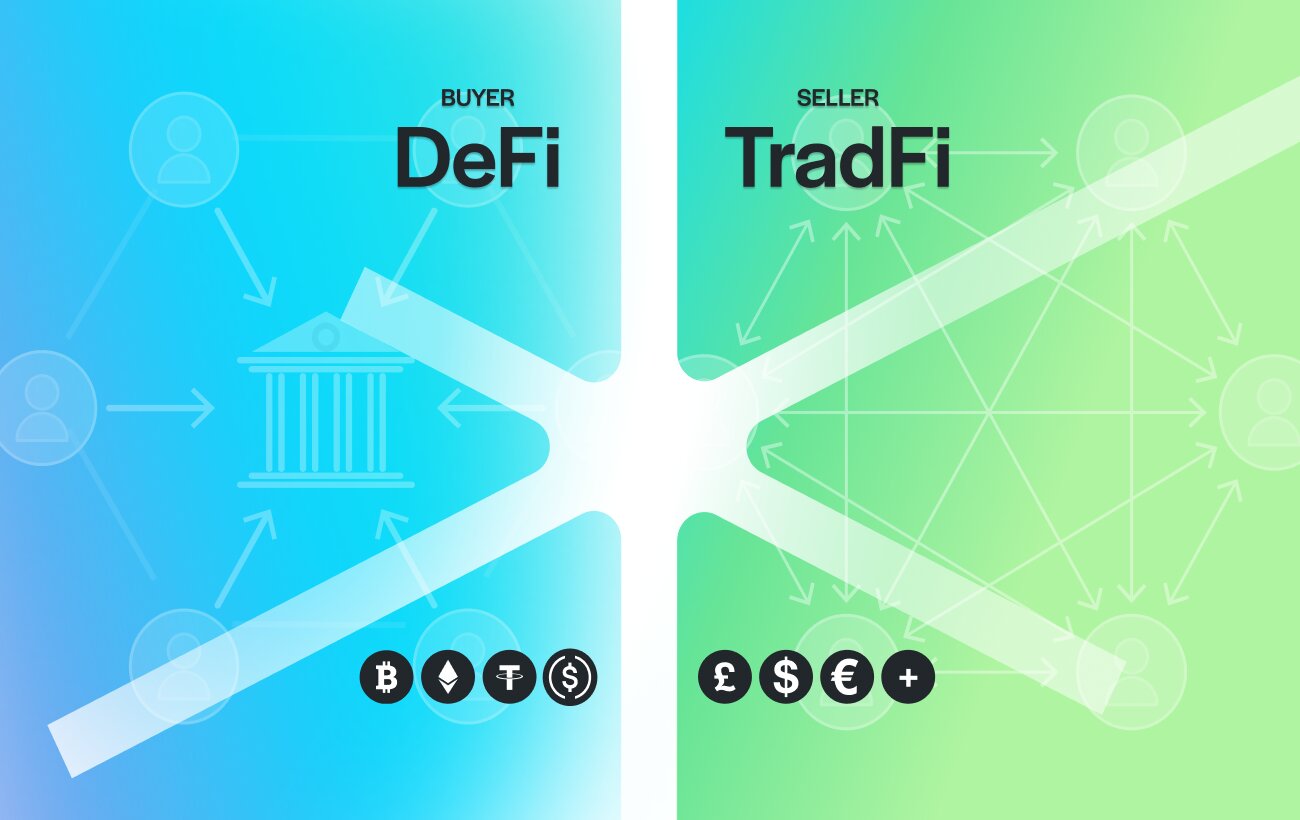
Landlords should prioritize payment gateways that offer instant settlement or robust accounting features. Gateways like BitPay or CoinGate allow you to accept USDC and immediately convert it to USD, eliminating volatility risk. For those comfortable holding crypto, platforms like Stripe Crypto provide direct integration for receiving stablecoins. Additionally, accounting software like Cryptio or Koinly is essential for tracking these transactions for tax purposes, ensuring that every rent payment is recorded accurately as income.
Security is the final piece of this infrastructure. Both parties should consider hardware wallets for storing significant USDC balances. Devices like the Ledger Nano X or Trezor Model T provide cold storage, keeping your keys offline and safe from online threats. For landlords managing multiple tenants, a multi-signature wallet setup adds an extra layer of security, requiring multiple approvals for large transfers. This setup ensures that no single point of failure can compromise the rent fund.


As an Amazon Associate, we may earn from qualifying purchases.
Affordability rules for crypto renters
Paying rent in USDC changes the math of housing costs. You are no longer just comparing your salary to a fixed dollar amount; you are managing exposure to a digital asset that fluctuates against the goods you need to buy. To stay solvent, you must apply traditional affordability metrics while accounting for the unique volatility of stablecoin markets.
The standard 30% rule remains your baseline. Housing economists and organizations like the Equal Rights Center suggest that rent should not exceed 30% of your gross monthly income. This benchmark ensures you retain enough capital for utilities, food, and emergencies. When paying in USDC, this calculation should be based on the USD value of your holdings at the time of payment, not your purchase price.
However, the 30% rule assumes stability. With USDC, you must account for the "stablecoin risk premium." If the peg wavers or you need to convert USDC to fiat quickly, transaction fees and slippage can erode your budget. Treat 3-5% of your rent as a buffer for conversion costs and potential market dips. This extra margin protects you from being forced to sell other assets at a loss to cover rent.
Use the live chart below to monitor USDC’s stability against the dollar. If you see significant deviation from the $1.00 peg, pause and reassess your liquidity. Do not rent more than you can afford to lose in a worst-case scenario.
No comments yet. Be the first to share your thoughts!