Rent with USDC: Market Context
The concept of paying rent with USDC has moved from niche experimentation to a tangible, if fragmented, reality. While major property management firms have yet to adopt on-chain leasing at scale, a growing segment of private landlords and tenants are bridging the gap through direct transfers or third-party fintech rails. This section outlines where the market actually stands today, separating the hype from the operational mechanics.
The Stablecoin Value Proposition
For tenants, the primary driver for using USDC is cost efficiency. Unlike credit cards, which typically levy a 2.5% convenience fee for rent payments, USDC transactions on supported networks incur minimal gas fees, often less than a dollar depending on the blockchain. This economic advantage is significant for monthly obligations, turning a recurring expense into a savings opportunity. However, this benefit relies entirely on the landlord’s willingness to accept crypto directly or through a platform that supports it.
Direct On-Chain vs. Fiat-Routed Alternatives
The market currently splits into two distinct models: direct on-chain payments and fiat-routed alternatives. Direct payments involve the tenant sending USDC from their wallet to the landlord’s address. This method offers speed and transparency but requires the landlord to manage crypto assets, a barrier for many traditional property owners. In contrast, fiat-routed alternatives use fintech platforms that convert USDC to USD instantly before depositing it into the landlord’s bank account. These platforms act as intermediaries, smoothing the user experience but introducing their own fee structures and compliance layers.
Adoption Barriers and Reality
Despite the clear economic incentives, widespread adoption faces structural hurdles. Landlords often hesitate due to regulatory uncertainty, tax reporting complexities, and the volatility of other cryptocurrencies, though USDC’s peg mitigates the latter. Additionally, the lack of a standardized, industry-wide protocol for on-chain rent payments means tenants must often negotiate terms individually. This ad-hoc approach limits scalability but allows for flexible, case-by-case arrangements that are already happening in practice.
Rent With USDC Infrastructure: Rails and Gateways
Paying rent with USDC is not a built-in feature of most property management software. It is a manual bridge built on public blockchain rails and third-party payment processors. To move funds from your wallet to a landlord’s bank account, you need a reliable on-ramp that converts stablecoins into fiat currency without excessive friction.
Wallet and Network Requirements
The foundation of this process is a self-custody wallet or a centralized exchange account that supports USDC transfers. Most landlords do not hold cryptocurrency, so the transaction must eventually settle in fiat. This means your "gateway" is the exchange or payment processor you use to cash out.
When selecting a network, Ethereum (ERC-20) is the most common but carries high gas fees during peak times. For rent payments, where the principal is large, these fees can be significant. Many users prefer Layer 2 networks like Arbitrum, Optimism, or Base, or sidechains like Polygon, where transaction costs are fractions of a cent. Always verify which network the receiving exchange or processor supports to avoid lost funds.
Payment Processors and On-Ramps
The actual conversion happens through regulated payment processors. Services like Coinbase, Kraken, or Circle’s own USDC infrastructure allow users to sell USDC for USD and withdraw to a linked bank account via ACH or wire transfer. Some specialized platforms even offer direct crypto-to-fiat cards, though these often come with higher spreads or transaction fees.
The key is choosing a processor with high daily limits and fast settlement times. ACH transfers can take 1-3 business days, which may not align with a landlord’s immediate cash flow needs. Wire transfers are faster but often incur fixed fees. For large rent payments, a wire or same-day ACH is usually necessary to ensure the funds clear before the due date.
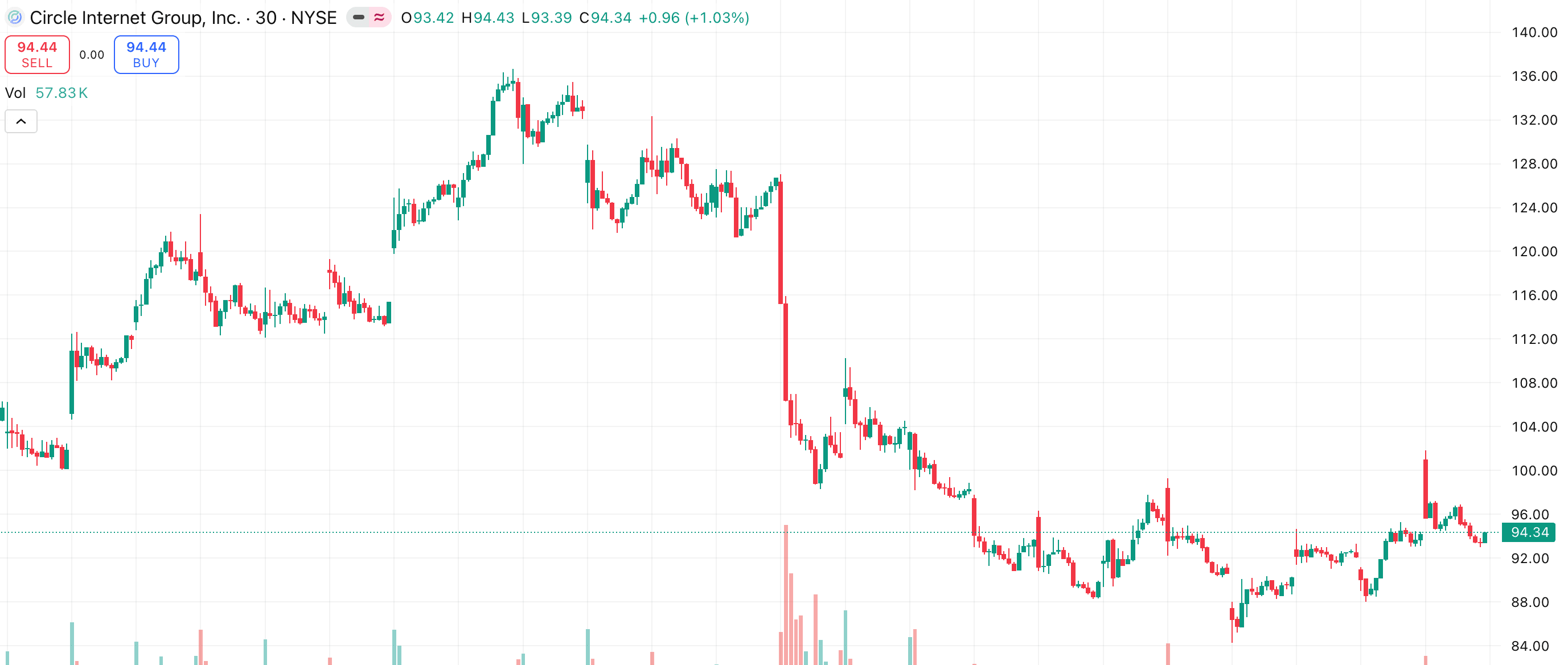
Technical Chart: USDC Stability
USDC’s value is pegged to the US dollar, making it a stable vehicle for rent payments. However, stability does not mean zero risk. Understanding the historical price action helps confirm that the peg holds during market volatility, which is critical when dealing with large, time-sensitive transactions like rent.
Rent With USDC tools: software and hardware
Paying rent in USDC requires a stack that minimizes friction and fees. Most landlords accept USDC via direct on-chain transfers or through debit cards that convert stablecoins to fiat at the point of sale. The software side involves choosing a wallet that supports fast, low-cost transactions, while the hardware side ensures you can access those funds securely when the rent is due.
Software: Wallets and Payment Rails
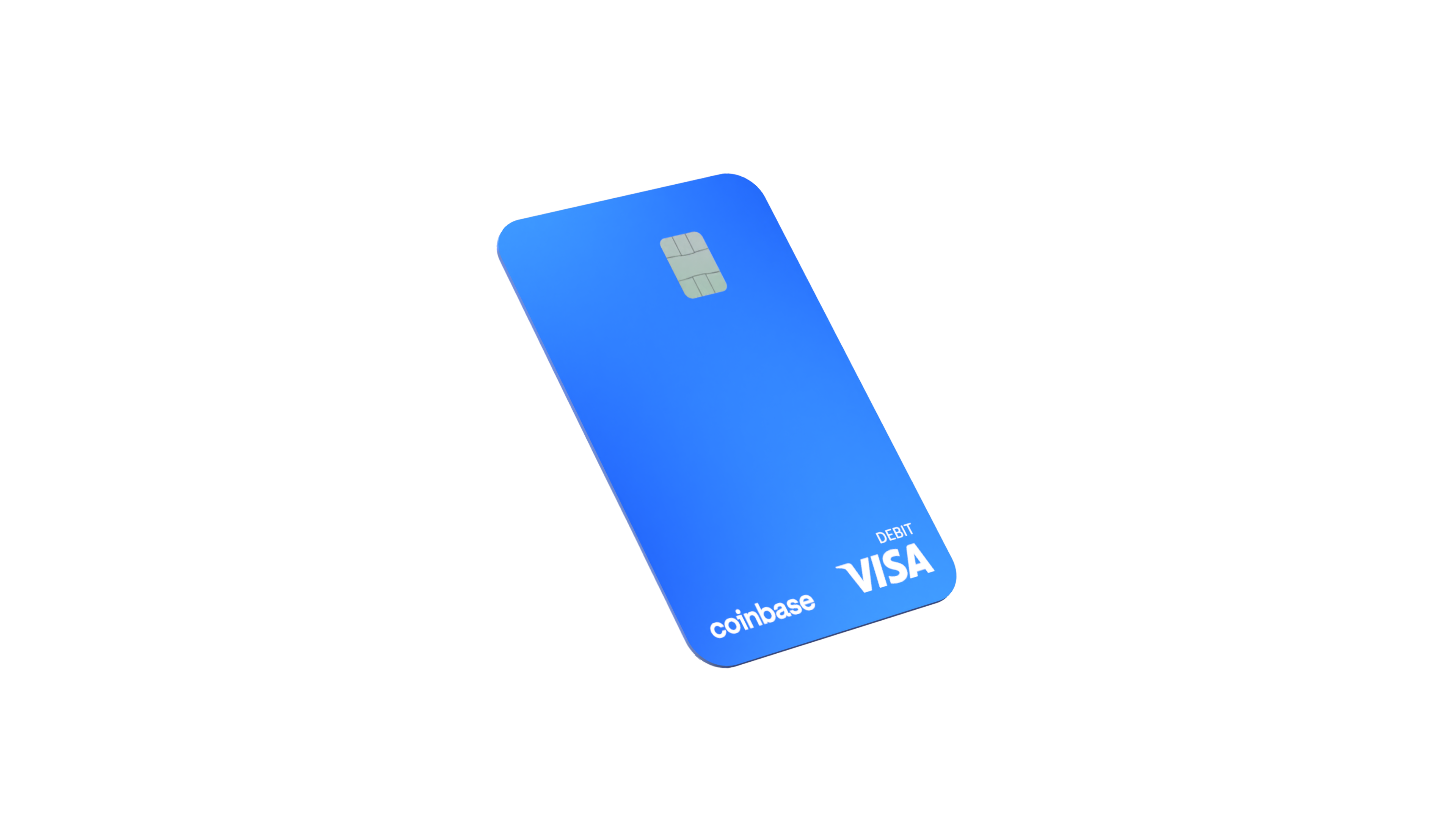
The most common way to pay rent is using a debit card linked to a crypto exchange or wallet. Platforms like Coinbase allow you to load USDC and spend it directly. As one user noted on Reddit, "With USDC there are no fees while everything else has about a 2.5% fee" when using certain crypto cards, making it a cost-effective option for large payments like rent [[src-serp-1]].
For direct transfers, self-custody wallets like MetaMask or Trust Wallet are standard. They allow you to send USDC on networks like Ethereum or Polygon. Polygon is often preferred for rent payments because transaction fees are fractions of a cent, compared to dollars on Ethereum mainnet. Always verify the landlord’s preferred network before sending.
Hardware: Secure Access
You need a reliable way to sign transactions. A hardware wallet like a Ledger or Trezor is essential for storing large amounts of USDC, but it adds a step to the payment process. You’ll need to connect the device and approve the transaction on the physical unit. For frequent rent payments, some users keep a small "spending" amount in a software wallet for convenience, while the bulk remains in cold storage.
Where to Buy
You can purchase hardware wallets and crypto debit cards from various retailers. Below are some options available on Amazon to help you set up your payment infrastructure.


As an Amazon Associate, we may earn from qualifying purchases.
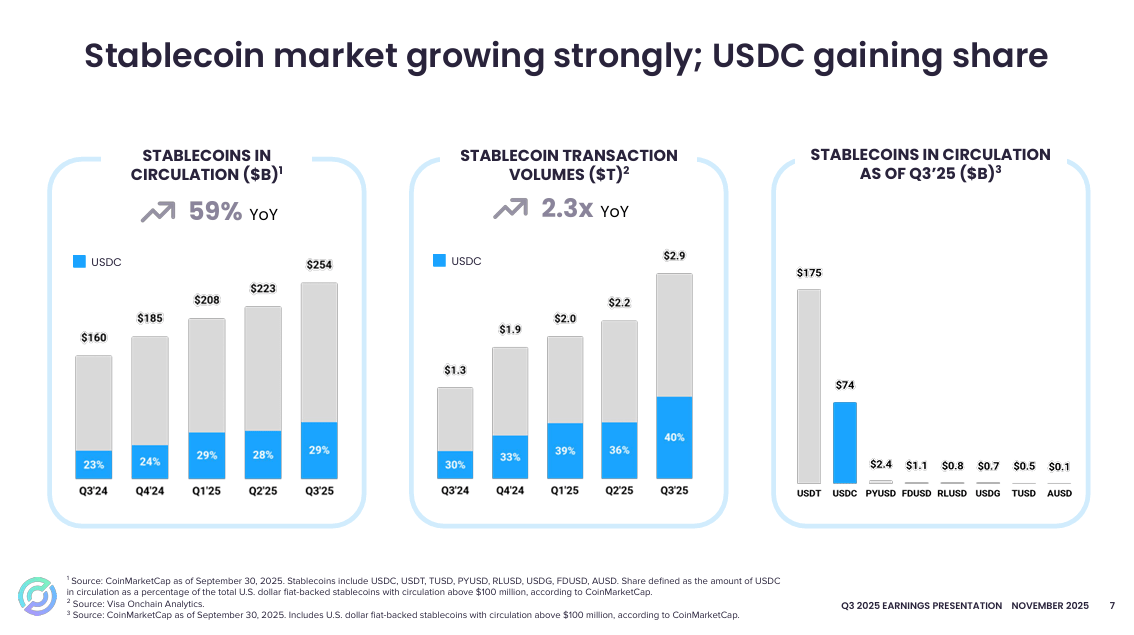
Rent With USDC strategy: fees and compliance
Paying rent with USDC looks simple on the surface, but the actual cost depends on how you move the money. The "free" promise of stablecoins often clashes with the friction of converting your primary assets or paying exchange withdrawal fees. Understanding these hidden costs is essential before you set up a recurring payment.
The Real Cost of Moving Money
The biggest expense isn't usually the USDC transaction itself—since it happens on low-fee networks like Polygon or Base—but the entry and exit points. If you hold Bitcoin or Ethereum, converting to USDC incurs a spread or trading fee. If you hold fiat, moving it to a crypto exchange and then withdrawing USDC can involve wire fees or deposit limits.
Credit card processors, the traditional alternative, typically charge landlords a 2.5% to 3% convenience fee. While this seems high, it is often built into the landlord's acceptance threshold. With USDC, you might save on the 2.5% if you already hold stablecoins, but you could lose more in slippage or gas if you are converting volatile assets on the fly. The math changes entirely based on your starting position.
Compliance and Regulatory Reality
Landlords must navigate a complex regulatory landscape. In many jurisdictions, receiving cryptocurrency is treated as a taxable event or requires specific money transmitter licenses. Tenants should verify that their payment processor supports direct landlord payouts to avoid funds getting stuck in escrow or flagged for anti-money laundering (AML) reviews.
The Federal Reserve and FinCEN have clear guidelines on virtual asset service providers (VASPs). Using non-compliant platforms can lead to frozen funds or account closures. Always stick to regulated exchanges or licensed payment rails that offer clear transaction records for tax reporting. This isn't just about convenience; it's about protecting your housing stability from regulatory overreach.
Comparison: Traditional vs. USDC Payments
To see where the savings actually lie, compare the typical costs and speeds of different payment methods. This breakdown highlights why USDC is gaining traction despite the compliance hurdles.
| Method | Typical Cost | Settlement | Compliance Burden |
|---|---|---|---|
| Credit Card | 2.5% - 3% | Instant | Low (Processor handles) |
| Bank Transfer (ACH) | $0 - $5 flat | 1-3 days | Low (Standard) |
| USDC (On-Chain) | $0 - $0.05 | Seconds | High (Tenant/Landlord) |
Checklist for Secure USDC Rent Payments
Before making your first payment, run through this list to ensure your funds are safe and your landlord is set up correctly.
- Verify Network Compatibility: Ensure your USDC is on a network the landlord's wallet or processor accepts (e.g., Polygon, Base, Ethereum). Sending to the wrong network can result in permanent loss.
- Check Landlord's Wallet Address: Always double-check the first and last four characters of the wallet address. Use a small test transaction ($1) before sending the full rent amount.
- Confirm Tax Reporting: Ask your landlord if they provide a transaction record or 1099-K equivalent. You need proof of payment for your own tax filings.
- Review Processor Terms: If using a payment app, read the fine print for any hidden conversion fees or holding periods that might delay the landlord's access to funds.
No comments yet. Be the first to share your thoughts!