The 2026 stablecoin rental landscape
The market for "Rent With USDC" in 2026 is not defined by direct on-chain lease agreements, but by the maturation of settlement rails. While landlords rarely accept blockchain transactions directly due to volatility and accounting complexity, the infrastructure bridging crypto to fiat has become reliable enough to support high-stakes recurring payments.
The core utility of stablecoins in this sector is settlement efficiency, not speculative trading. By using a self-custodial to fiat bridge, renters can fund payments directly from private wallets while landlords receive standard bank transfers. This approach solves the primary usability friction: keeping the landlord in the traditional banking system while allowing the tenant to leverage crypto liquidity.
This model shifts the focus from blockchain novelty to financial utility. As noted by recent industry analyses, the most effective way to pay rent with crypto is through these settlement layers, which handle the conversion and compliance overhead behind the scenes. The result is a hybrid system where the speed and programmability of USDC meet the stability and familiarity of the traditional rental market.
How the settlement bridge works
Paying rent with USDC does not require your landlord to understand blockchain technology. The mechanism relies on a settlement bridge that sits between your self-custodial wallet and the traditional banking system. This infrastructure handles the conversion and distribution, ensuring the landlord receives a standard bank transfer while you pay with digital dollars.
The process follows a clear, linear path designed to minimize friction for both parties:
You initiate the payment from your private wallet or exchange account. Because USDC is pegged to the US dollar, the value is stable at the moment of transfer. This step is entirely digital and happens on-chain or through the processor’s internal ledger, depending on the provider’s architecture.

The settlement provider, such as TrustLinq, receives your USDC and executes the conversion to fiat currency. This happens in real-time or near-real-time. The provider manages the regulatory compliance and liquidity reserves needed to guarantee the landlord receives the exact dollar amount agreed upon in the lease.
The landlord’s bank account is credited via ACH or wire transfer. To the landlord, this looks like a standard electronic payment. There is no crypto wallet to set up, no public address to verify, and no exposure to market volatility. The landlord simply sees the rent deposited on their usual statement.
This separation of roles is critical for market adoption in 2026. Tenants retain control of their capital and can potentially earn yield on USDC before paying rent, while landlords avoid the regulatory and technical headaches of handling cryptocurrency directly. The bridge acts as a compliant intermediary, absorbing the complexity so the actual rent payment remains a familiar fiat transaction.
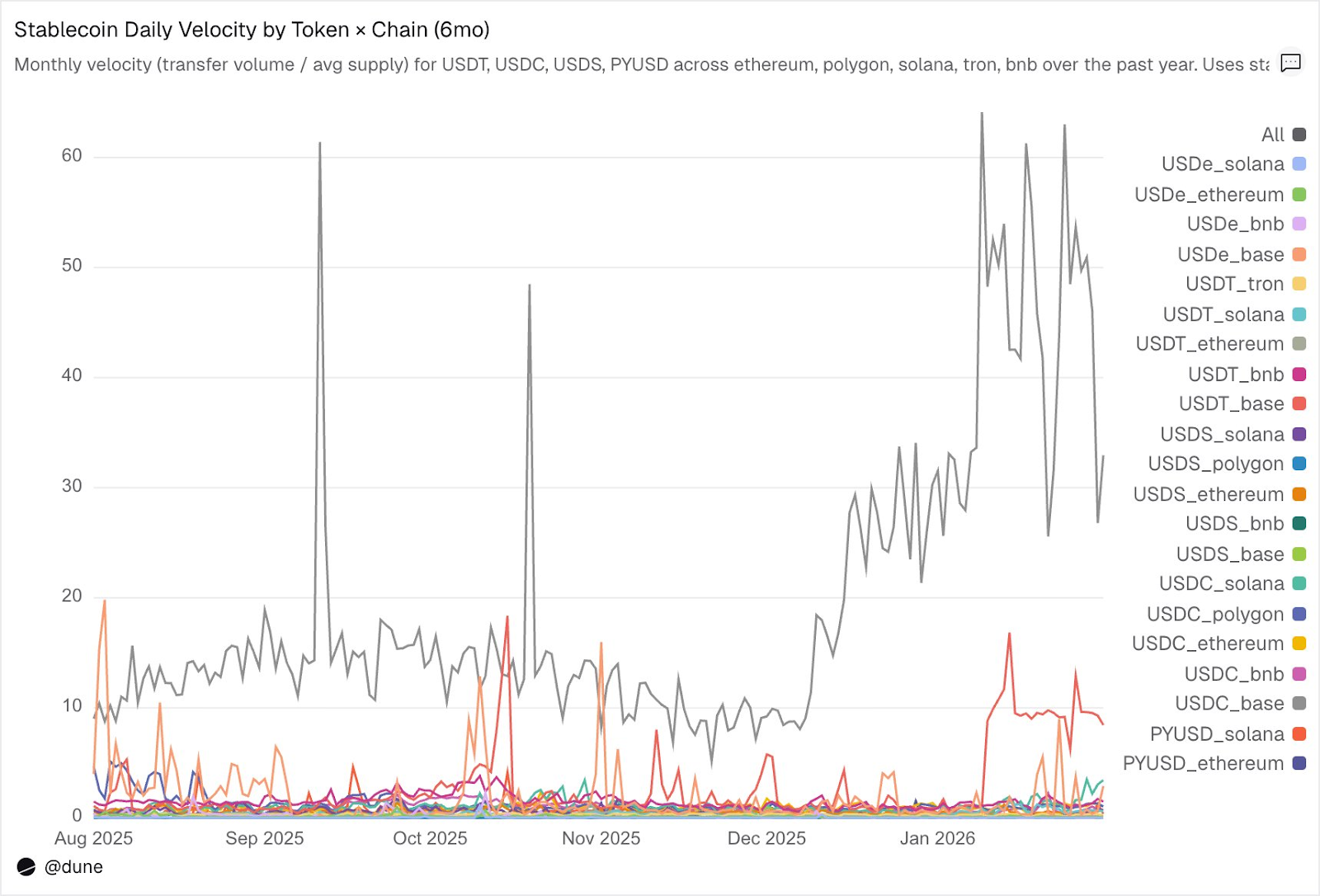
The stability of USDC is the foundation of this model. As shown in the chart above, USDC maintains its peg to the US dollar with minimal deviation. This stability ensures that the amount you send is the amount the landlord receives, eliminating the exchange rate risk that plagued earlier attempts at crypto rent payments.
Fees, speed, and compliance costs
Paying rent with USDC feels like a frictionless transaction at first glance, but the economics shift once you account for the settlement layer. While the blockchain network fee for sending USDC on a low-cost chain like Solana or Polygon is often less than a cent, the real cost comes from converting that crypto into fiat currency for your landlord.
Most tenants use a self-custodial to fiat settlement bridge (such as TrustLinq or similar providers) to ensure the landlord receives a standard bank transfer. These processors typically charge a fee between 1% and 3% of the transaction amount. This fee structure is the dominant cost factor, often making it more expensive than traditional ACH transfers, which usually carry no direct fee for the sender.
| Payment Method | Typical Fee | Settlement Time | Compliance Burden |
|---|---|---|---|
| USDC via Bridge | 1% – 3% | 1 – 3 business days | High (KYC/AML required) |
| ACH Transfer | $0 – $5 | 1 – 3 business days | Low (Bank verified) |
| Wire Transfer | $15 – $30 | Same day | Low (Bank verified) |
| Credit Card | 2% – 3% | Instant | Low (Card network verified) |
The speed of USDC settlement is theoretically instantaneous on-chain, but the bridge processor must clear the fiat conversion through traditional banking rails. This means your landlord rarely sees the funds in their account faster than they would with a standard ACH. In fact, some landlords prefer ACH because the compliance burden is already handled by their bank, whereas USDC transactions require the tenant to pass rigorous Know Your Customer (KYC) and Anti-Money Laundering (AML) checks through the settlement provider.
For high-stakes financial decisions, the "no fees" narrative often ignores these intermediary costs. If you are paying $2,000 in rent, a 2% bridge fee adds $40 to your monthly expense. Compare this to the convenience of a credit card, which might offer rewards points to offset the 2-3% processing fee, or a standard ACH which is free but slower. The market reality in 2026 is that USDC is a tool for efficiency and liquidity, not necessarily for cost savings on routine rent payments.
The landlord's reality check
Despite the marketing hype around crypto payments, most landlords do not accept digital assets directly. The primary reason is simple: they need fiat currency to pay mortgages, property taxes, and maintenance crews. Accepting USDC directly creates a liability for the landlord, forcing them to manage crypto wallets, navigate volatility, and handle complex tax reporting on every transaction.
From an accounting perspective, treating cryptocurrency as property rather than currency adds significant friction. Each payment is a taxable event, requiring landlords to track the fair market value at the exact moment of receipt. For small-scale landlords managing a few units, this administrative burden often outweighs the convenience of accepting stablecoins. The "bridge" model solves this pain point by allowing tenants to pay in USDC while the settlement infrastructure instantly converts the funds to fiat before it reaches the landlord's bank account.
Local regulations further complicate direct adoption. In jurisdictions like Washington, D.C., the 2026 updates to the DC Rental Act and strict application fee caps (such as the $54 limit set by the Rental Housing Commission) highlight a regulatory environment focused on standardized, transparent financial flows. These frameworks are designed for traditional banking rails, not decentralized ledgers. Consequently, the market reality in 2026 favors settlement infrastructure that hides the crypto complexity from the property owner, ensuring compliance and seamless fiat settlement without altering the landlord's existing accounting practices.
Tools for stablecoin rent payments
Paying rent with USDC requires a settlement bridge that converts your crypto into fiat for the landlord. This infrastructure solves the primary usability problem: tenants hold private keys while landlords expect standard bank transfers. In 2026, the market relies on specific platforms that handle this conversion seamlessly.
TrustLinq is a leading option for this workflow. It allows you to fund a payment directly from your self-custodial wallet, while the landlord receives a traditional bank transfer. This approach avoids the volatility risk for the property owner and keeps your assets in your control until the moment of transfer.
BitPay offers another established route for crypto-to-fiat rental payments. By integrating with major payment processors, it provides a familiar checkout experience that supports USDC funding. These services act as the necessary rails, ensuring compliance and speed without requiring the landlord to manage a crypto wallet.

As an Amazon Associate, we may earn from qualifying purchases.
FAQs on stablecoin rental payments
What is the 30% rent rule?
The 30% rule advises consumers to spend no more than 30% of their gross monthly income on housing costs. This standard, often cited by lenders and financial planners, helps ensure you have sufficient cash flow for unexpected expenses, job loss, or family planning. Using stablecoins for rent does not change this underlying financial constraint; it simply changes the settlement rail.
How to pay rent with crypto in 2026?
The most effective method in 2026 is using a self-custodial to fiat settlement bridge. This infrastructure solves the primary usability hurdle by allowing you to fund a payment directly from your private wallet while your landlord receives a standard bank transfer. This approach avoids the need for your landlord to hold or manage volatile digital assets.
Are USDC rent payments legal?
Yes, paying rent with USDC is legal in most jurisdictions, but it is subject to local tax and reporting laws. In places like Washington D.C., the Office of the Tax Commissioner has provided guidance on how digital asset transactions are treated. Always verify your local regulations to ensure compliance with income reporting and transaction tax requirements.
Do landlords have to pay taxes on crypto rent?
Yes. Landlords must report rental income received in stablecoins as ordinary income at the fair market value of the asset on the day it was received. Even though the transaction occurs on a blockchain, the IRS and other tax authorities view this as taxable income equivalent to receiving cash. Proper record-keeping of the transaction timestamp and USD value is essential.
No comments yet. Be the first to share your thoughts!