Rent with usdc: limits and limits to account for
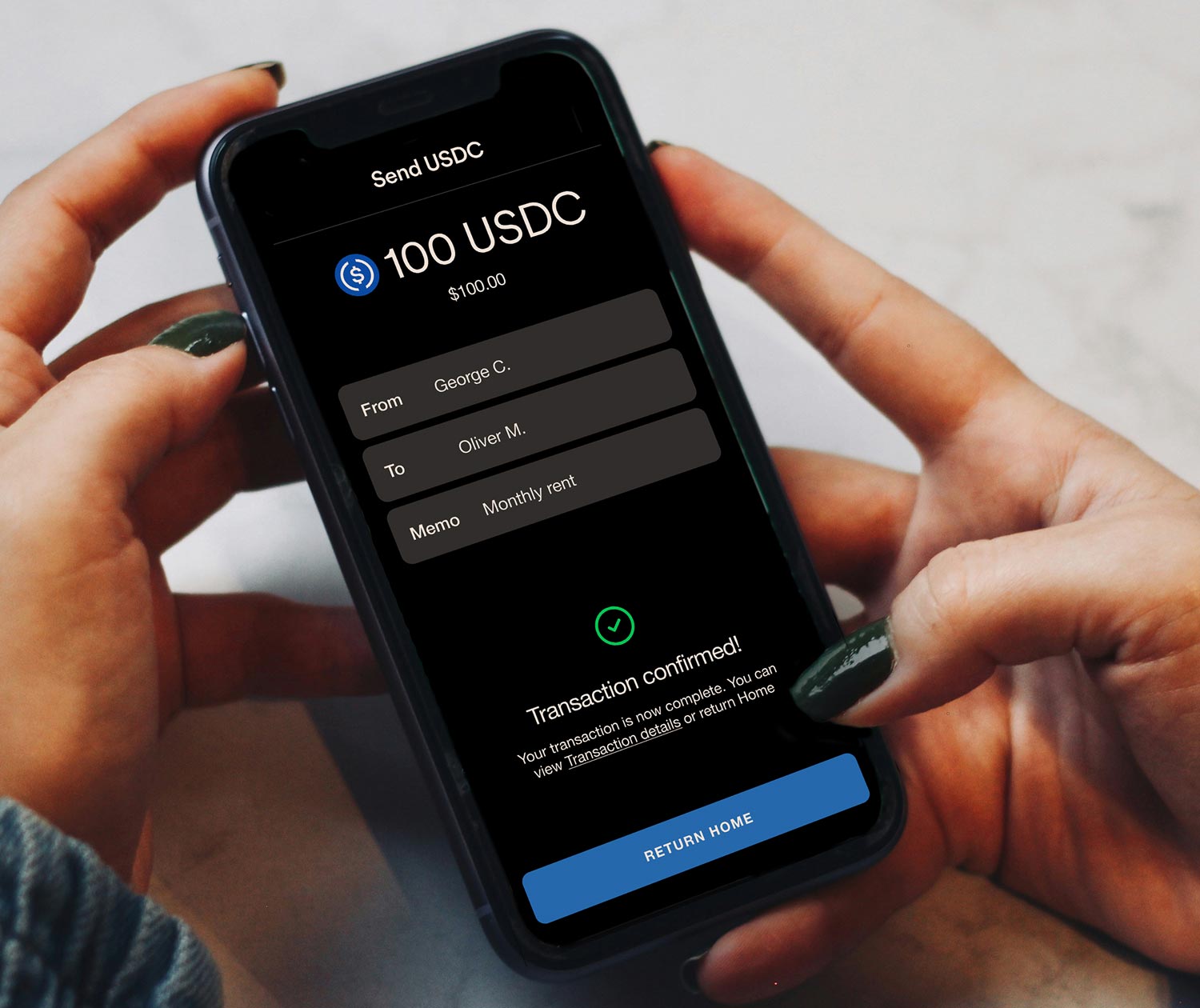
Paying rent with USDC works, but it isn't a direct bank transfer. The core constraint is the bridge between the blockchain and your landlord's bank account. Most landlords do not hold crypto wallets; they expect fiat currency in a checking account. This means you need a regulated settlement bridge to convert USDC into dollars before the payment clears.
The process involves two distinct steps: moving USDC on-chain and then settling it off-chain. If you send USDC directly to a landlord who doesn't know how to use a wallet, the payment fails or gets lost. Using a service that handles the conversion ensures the landlord receives standard currency, avoiding the friction of managing private keys or gas fees.
Timing is the second major constraint. While USDC transfers settle in seconds, the fiat settlement leg can take one to three business days depending on the provider's banking partners. You must account for this lag. Sending crypto on the last day of the month often results in late fees because the bank hasn't received the funds yet. Plan your transactions at least 48 hours before the due date to ensure on-time delivery.
Rent USDC Choices That Change the Plan
Paying rent with USDC offers speed and lower fees compared to traditional card payments, but it introduces operational friction that can disrupt cash flow if not managed carefully. The primary advantage is instant settlement without the three-to-five-day hold typical of ACH transfers or credit card processing. However, this benefit comes with the responsibility of managing volatility, compliance, and the final fiat conversion step.
Fees and Settlement Speed
Traditional payment processors often charge 2-3% in fees for credit card rent payments. USDC transactions on networks like Solana or Layer 2 Ethereum solutions typically cost fractions of a cent. While the on-chain transfer is near-instant, the real-world utility depends on how quickly you can convert those tokens into spendable fiat. Self-custodial bridges offer lower fees but require manual intervention, whereas regulated platforms may charge higher spreads for the convenience of automated settlement.
Compliance and Tax Implications
In the United States, every transaction involving USDC is a taxable event. When you receive USDC as rent, it is treated as income at the fair market value on the day of receipt. If you later convert that USDC to USD, any change in value triggers a capital gains or loss event. This complexity requires robust record-keeping. Landlords must track the USD value of USDC at the moment of receipt, not the moment of conversion, to calculate accurate tax liabilities. Ignoring this distinction can lead to significant audit risks.
Volatility and Custody Risks
While USDC is a stablecoin pegged to the US dollar, it is not immune to de-pegging events or regulatory scrutiny. Unlike a bank deposit, USDC holdings in self-custody wallets are not insured by the FDIC. If a smart contract fails or a bridge is compromised, funds can be lost irreversibly. For most landlords, the convenience of direct crypto receipt is outweighed by the risk of holding digital assets. The safest approach often involves using a regulated gateway that instantly converts incoming USDC into fiat, shielding the landlord from price volatility while still leveraging the efficiency of blockchain infrastructure.
| Factor | USDC Direct | Fiat Gateway | Credit Card |
|---|---|---|---|
| Transaction Fee | < $0.01 (L2/Solana) | 1-2% spread | 2.5-3.5% |
| Settlement Time | Instant (on-chain) | 1-3 days | 3-5 days |
| Tax Complexity | High (income + cap gains) | Medium (income only) | Low (income only) |
| Risk Exposure | High (custody/peg) | Low (platform insured) | None (processor) |
The decision to accept USDC hinges on your tolerance for operational complexity. If you are comfortable managing crypto tax reporting and custody, the fee savings are substantial. For most traditional landlords, a regulated fiat gateway provides the best balance of speed, compliance, and risk management.
Choose the Next Step
Rent with USDC works best as a clear sequence: define the constraint, compare the realistic options, test the tradeoff, and choose the path with the fewest hidden costs. That order keeps the advice usable instead of decorative.
After each step, pause long enough to check whether the recommendation still fits the reader's actual situation. If it depends on perfect timing, unusual access, or a best-case budget, include a simpler fallback.
Avoiding the Weak Options
Not every platform that accepts crypto is built for rent. Many services advertise "crypto payments" but rely on slow settlement rails or opaque exchange partners that can freeze funds or delay fiat conversion. For landlords and tenants, this creates a mismatch: the tenant pays immediately, but the landlord waits days for bank funds, exposing both parties to price volatility and liquidity risk.
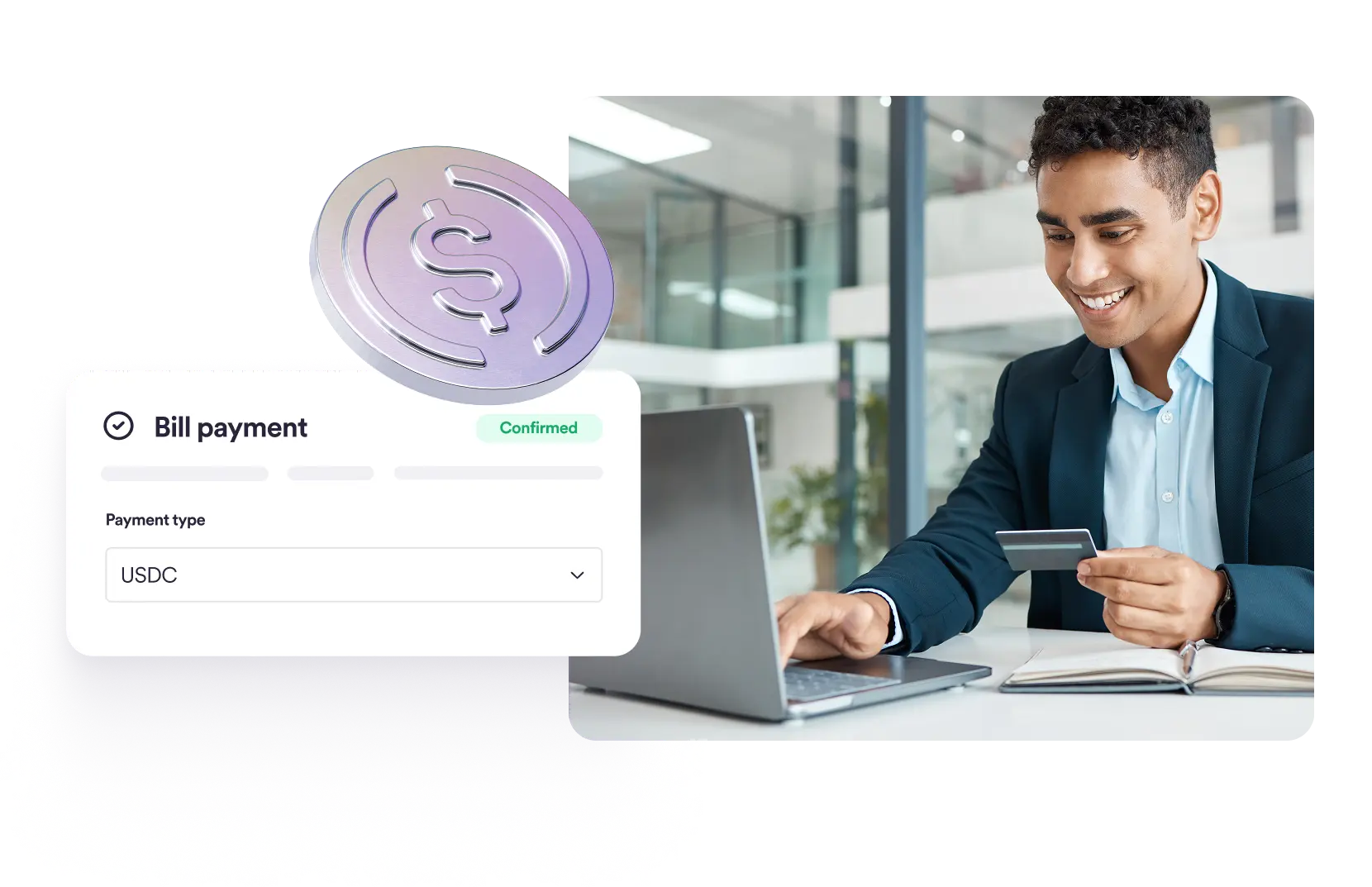
The primary trap is using generic payment processors that treat USDC as a speculative asset rather than a stable settlement layer. These platforms often charge hidden FX spreads or fail to provide real-time proof of payment. Always verify that the tool uses a regulated fiat settlement bridge, ensuring USDC converts to local currency instantly upon receipt. This distinction separates professional rent-management infrastructure from experimental payment gateways.
Another common mistake is ignoring the withdrawal path. Some platforms allow you to receive USDC but restrict withdrawals to other crypto wallets, forcing you to use a secondary exchange to reach your bank account. This adds friction, extra fees, and counterparty risk. The most effective 2026 approach integrates self-custodial security with direct bank settlement, eliminating the need for intermediate hops. Prioritize tools that offer transparent, real-time USD pegging and direct ACH or wire integration.
Rent with USDC: What to Check Next
Before switching to stablecoin rent, it helps to clarify the practical mechanics of moving, valuing, and securing USDC. These answers address the most common objections regarding conversion, value stability, and security.
Can I withdraw USDC to my bank account?
Yes, but not directly. USDC is a digital token on blockchains like Ethereum or Solana, so you cannot wire it straight from a blockchain wallet to a traditional bank account. Instead, you must use a regulated exchange (like Coinbase or Kraken) or a fintech bridge (like Circle’s Circle Pay or UrbanPayX) to sell the USDC for USD. The platform then settles the funds into your linked bank account via ACH or wire transfer, typically within one to three business days.
How much is $100 in USDC?
USDC is pegged to the US dollar, so $100 USD is almost always equal to 100 USDC. This 1:1 peg is maintained by Circle, which holds reserves in cash and short-term US Treasuries to back every token. While minor fluctuations can occur during extreme market stress, USDC has historically maintained its peg far more reliably than algorithmic stablecoins, making it a predictable unit of account for rent.
Is it safe to get paid in USDC?
Security depends on where you hold the tokens. If you keep USDC in a self-custodial wallet (like MetaMask or Phantom), you are responsible for your own private keys; losing them means losing your rent funds permanently. If you hold it on a centralized exchange, you face counterparty risk if the platform fails. To mitigate this, many landlords use specialized payment processors that handle compliance and settlement, or they move funds to a hardware wallet immediately after receipt.
Can I pay my bills with USDC?
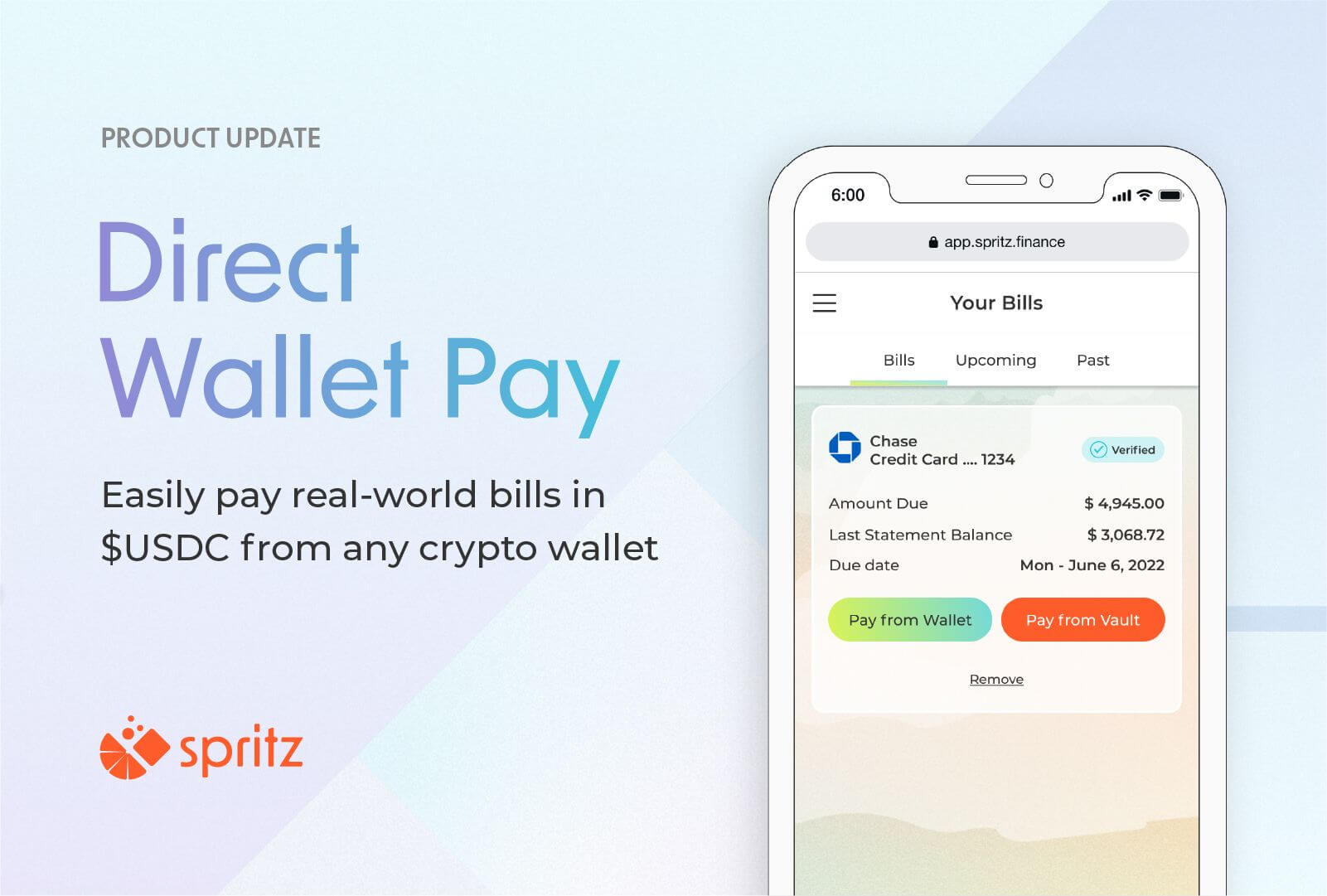
You can pay some bills directly using crypto debit cards or specific merchant platforms. Services like Coinbase Card or BitPay allow you to spend USDC (or converted USD) at millions of merchants, including utility providers and service companies. However, most traditional landlords and utility companies do not yet accept crypto directly. For rent specifically, you typically need a dedicated payment gateway that converts USDC to fiat and deposits it into the landlord’s bank account, as most leases still require traditional currency settlement.
Helpful Gear
Use these product recommendations as a starting point, then choose the size, material, and price point that fit how you actually use the gear.


As an Amazon Associate, we may earn from qualifying purchases.
No comments yet. Be the first to share your thoughts!