Why landlords accept USDC now
The shift toward digital asset rent collection is no longer an experiment for early adopters; it is a structural response to the friction of traditional banking rails. Landlords are moving from legacy fiat systems to USDC because the infrastructure has finally matured to offer faster, cheaper settlements. For property managers and individual owners, the primary driver is the elimination of the three-to-five-day settlement window inherent in ACH transfers and the high processing fees associated with credit card payments.
USDC has emerged as the preferred stablecoin for this transition due to its regulatory clarity and reserve transparency. Unlike other digital assets that carry speculative-grade credit risk, USDC maintains an A-equivalent rating with conservative, fully backed reserves. This stability is critical for landlords who need to ensure that the rent collected today is the exact amount available to pay mortgages, taxes, and maintenance costs tomorrow, without exposure to the volatility that plagues Bitcoin or Ethereum.
The infrastructure enabling this shift is robust. Modern rent payment platforms utilize self-custodial to fiat settlement bridges, allowing landlords to accept USDC instantly and then convert it to local currency on their terms. This hybrid approach combines the speed of blockchain settlement with the familiarity of traditional banking, reducing transaction costs and delays significantly. As a result, landlords can deploy capital more efficiently, whether by holding USDC for yield-generating opportunities or settling with vendors instantly.
The backend that makes it work
The strategy of paying rent with USDC only works because the plumbing behind the scenes has improved dramatically. In 2026, the friction that once made crypto payments impractical for recurring bills has largely disappeared. This shift is driven by two main technical upgrades: faster, cheaper layer 2 networks and sophisticated settlement bridges that convert digital assets to fiat instantly.
Layer 2 networks remove the cost barrier
Ethereum mainnet remains too expensive and slow for small, frequent transactions like monthly rent. The solution lies in layer 2 (L2) scaling solutions like Arbitrum or Base. These networks process transactions off the main chain and bundle them together, drastically reducing gas fees and increasing speed. For a landlord receiving rent, this means the tenant’s payment arrives in seconds for a fraction of a cent, rather than waiting hours or days for confirmation on a congested mainnet.
Settlement bridges bridge the fiat gap
Most landlords do not want to hold USDC; they need dollars to pay their own mortgages and utilities. This is where settlement infrastructure comes in. Platforms like TrustLinq act as self-custodial to fiat settlement bridges. They receive the USDC from the tenant, convert it to fiat at the current market rate, and deposit the money directly into the landlord’s bank account. This process happens in real-time, eliminating the currency swing risk and the multi-day delays of traditional bank wires.
Comparing the old way to the new way
The difference between traditional banking rails and this new settlement infrastructure is stark. Traditional bank wires are slow, expensive, and prone to errors. USDC settlement is fast, cheap, and automated.
| Feature | Traditional Bank Wire | USDC Settlement |
|---|---|---|
| Speed | 1-3 business days | Seconds to minutes |
| Cost | $15-$30 per transaction | $0.01-$0.10 per transaction |
| Compliance | Manual KYC/AML checks | Automated on-chain verification |
| Currency Risk | None (fiat to fiat) | Mitigated by instant conversion |
This backend efficiency is what allows the Rent With USDC strategy to scale. Without these technical improvements, the transaction costs and delays would make it impractical for everyday use. The infrastructure is now robust enough to handle the volume and speed required by the rental market.
Compliance and security standards
When you are moving real money through the blockchain, regulatory safety is not a feature—it is the foundation. The primary advantage of using USDC for rent payments is its position as a regulated, A-equivalent stablecoin. Unlike unbacked or speculative tokens, USDC is issued by Circle, a company subject to strict financial oversight and regular audits. This structure provides a layer of institutional safety that is essential for high-stakes transactions involving landlords, property managers, and tenants.
The difference in reserve backing between USDC and other stablecoins is significant for compliance purposes. Major credit rating agencies have assigned USDC conservative ratings based on its transparent reserve composition and regulatory adherence, whereas competitors like USDT often carry speculative-grade credit risk. For rental settlements, this means your funds are held in cash and short-term U.S. Treasuries, fully backed 1:1, reducing the risk of de-pegging or insolvency during the settlement window.
To ensure the transaction itself is compliant, most modern settlement infrastructure integrates automated KYC (Know Your Customer) and AML (Anti-Money Laundering) checks. These tools verify that the source of funds is legitimate and that neither party is on a sanctions list. By relying on regulated payment processors rather than direct peer-to-peer transfers, you ensure that the rent payment is tracked, auditable, and compliant with federal financial laws.
How to pay rent with USDC
Paying rent in stablecoins requires a clear workflow to avoid failed transactions or unexpected fees. The process generally falls into two paths: direct on-chain transfer to a landlord who accepts crypto, or using a self-custodial bridge or debit card to spend USDC at a traditional property management portal.
1. Verify landlord acceptance and fees
Before moving funds, confirm that your landlord or property management company can receive USDC. If they require traditional fiat, you will need a bridge or card issuer that supports stablecoin spending. Check their fee structure; some portals charge a 3% convenience fee for crypto payments, while direct wallet transfers on low-fee networks like Solana or Base cost less than a penny.
2. Prepare your self-custodial wallet
Use a non-custodial wallet like MetaMask, Phantom, or Rabby. Ensure you have the correct network tokens (e.g., ETH for Ethereum, SOL for Solana) to cover gas fees. Load your wallet with USDC from an exchange like Coinbase or Kraken. Transfer only the amount needed for the next rent cycle to minimize exposure to smart contract risks.
3. Execute the payment
If paying directly, send USDC to the landlord’s wallet address. Double-check the network and address. If using a card or bridge service, link your self-custodial wallet to the provider. Initiate the payment through the property management portal. The provider will convert or burn your USDC and settle the fiat amount to the landlord. Keep a screenshot of the transaction hash or receipt for your records.
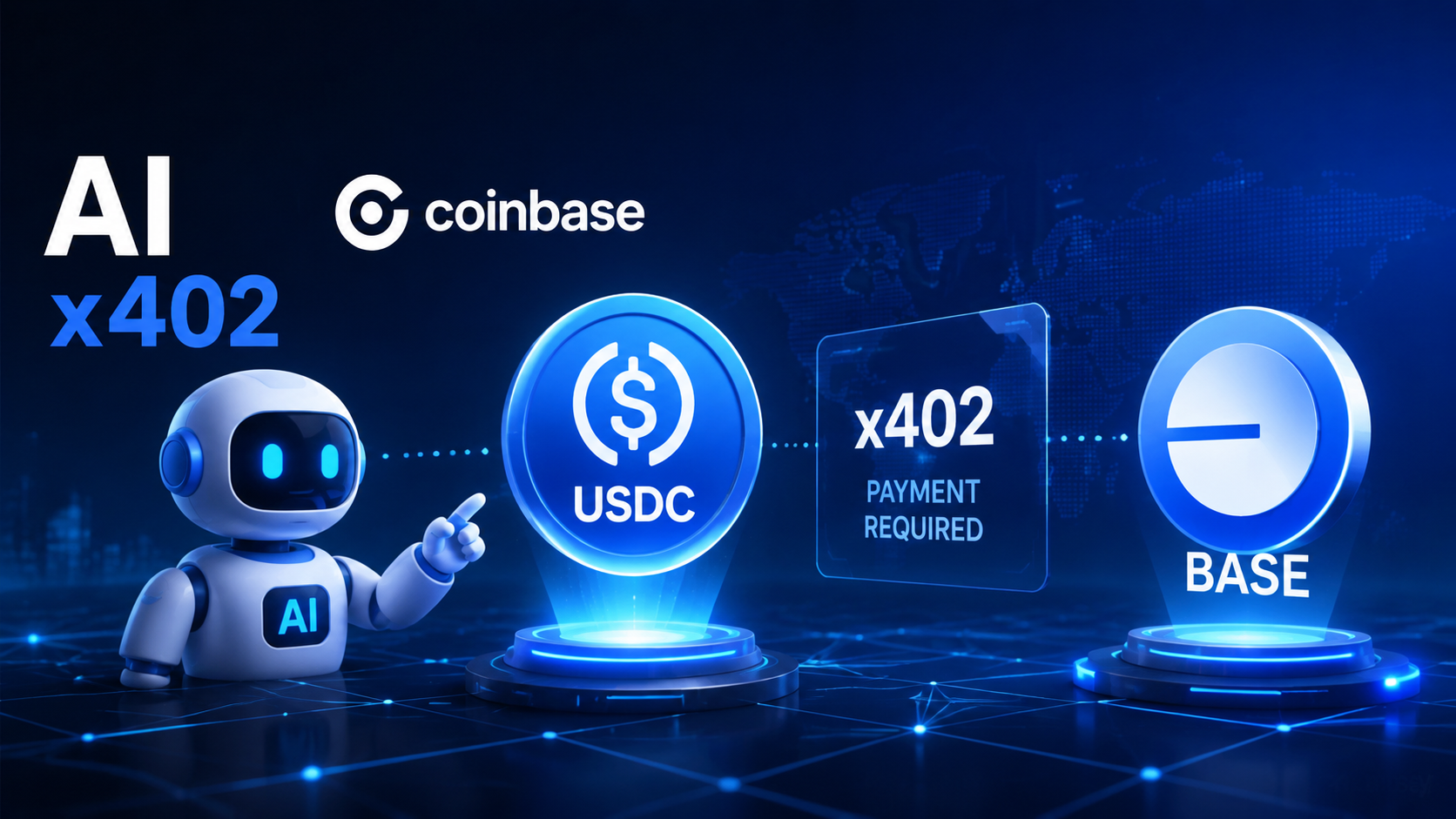
Verify that your landlord accepts USDC directly or via a supported payment processor. Check for convenience fees.
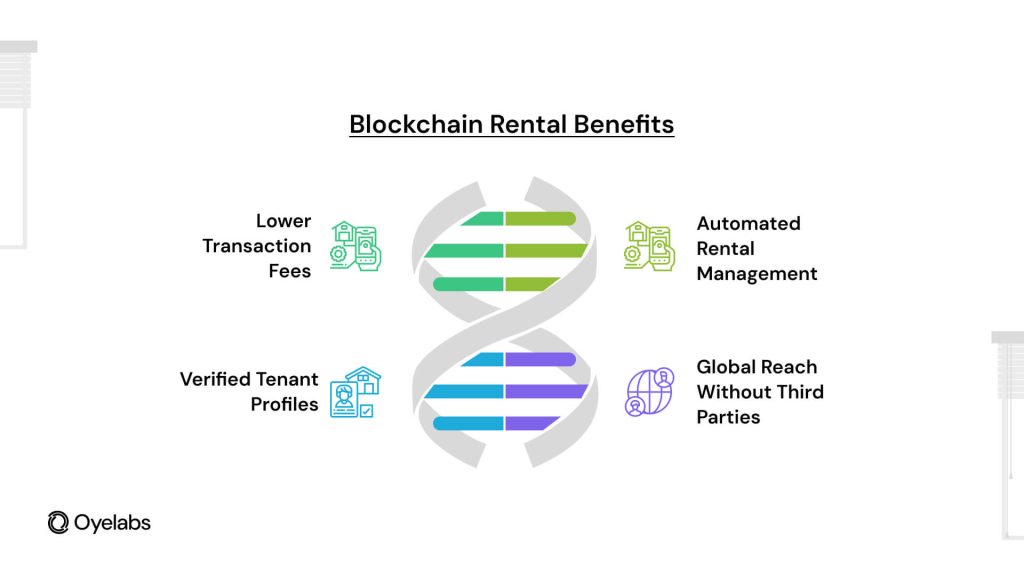
Transfer USDC from an exchange to your self-custodial wallet. Ensure you have enough native token for gas fees.

Send USDC directly to the landlord’s wallet or use a card/bridge service to pay the property management portal.
4. Track and reconcile
Save the transaction hash (TXID) from the blockchain explorer. This serves as your proof of payment. If using a card or bridge, save the confirmation email. Reconcile this with your bank or crypto portfolio tracker to ensure your balance reflects the deduction.
FAQs on stablecoin rental payments
Stablecoin adoption is accelerating, but using crypto for rent introduces unique questions about security and yield. Here are answers to the most common inquiries regarding USDC rentals and income optimization.
Is it safer to hold USDT or USDC?
For institutional-grade safety, USDC is generally preferred due to its conservative reserve management and regulatory oversight. According to A.G. Ratings, USDC holds an A-equivalent credit rating, reflecting a straightforward balance sheet and strict compliance. In contrast, USDT carries speculative-grade credit risk due to its more complex reserve composition. When paying rent, holding USDC minimizes counterparty risk compared to other major stablecoins.
Which strategy is most effective for maximizing rental income?
To maximize income from rental properties, the focus should be on operational efficiency rather than just yield generation. Key strategies include screening tenants thoroughly to reduce vacancy costs, optimizing lease terms for market rates, and investing in proper insurance coverage. Additionally, calculating the optimal rent per square foot and charging for add-ons can significantly boost net returns. While USDC rental payments streamline transactions, the underlying property strategy remains the primary driver of income.
Can I pay rent with USDC directly?
Yes, you can pay rent with USDC if your landlord or property management company accepts cryptocurrency. This is typically done via direct wallet-to-wallet transfers on the Ethereum or Solana networks, or through third-party payment processors that convert crypto to fiat for the landlord. Ensure you understand the transaction fees and settlement times, as these can impact the total cost of the payment.
What are the tax implications of earning USDC rental income?
In most jurisdictions, cryptocurrency is treated as property for tax purposes. This means that any USDC received as rental income must be reported at its fair market value in USD at the time of receipt. If the value of USDC fluctuates between the time you receive it and the time you spend or sell it, you may also incur capital gains or losses. Consult a tax professional to ensure compliance with local regulations.
Helpful gear
Use these product recommendations as a starting point, then choose the size, material, and price point that fit how you actually use the gear.
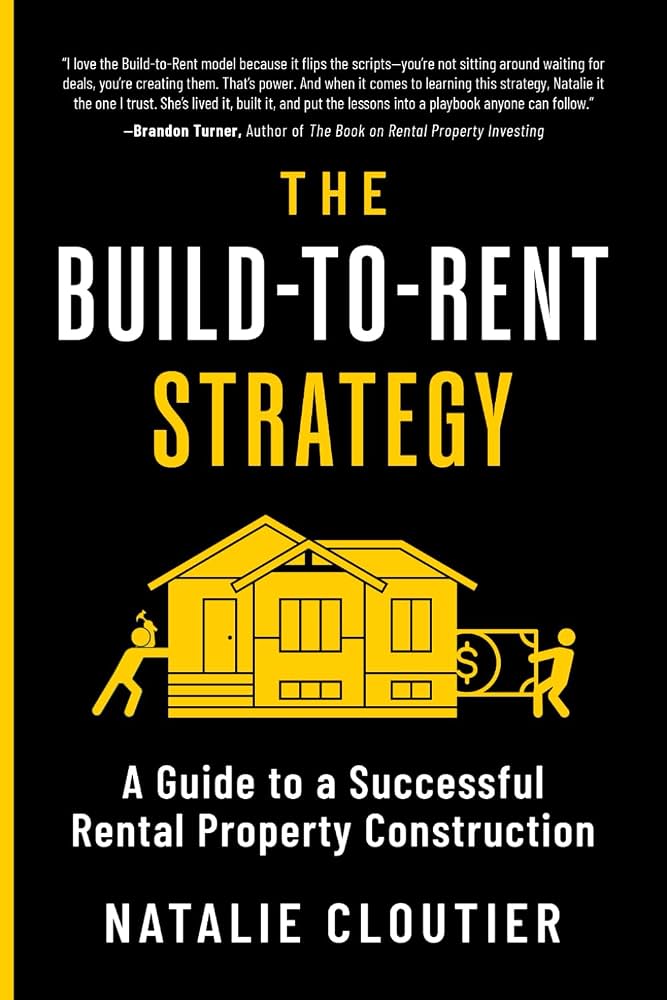

As an Amazon Associate, we may earn from qualifying purchases.
No comments yet. Be the first to share your thoughts!