Why USDC dominates rent payments
For property managers and tenants, USDC has become the default choice for crypto rent payments. The reason is straightforward: it behaves like cash. Unlike Bitcoin or Ethereum, which swing in value based on market sentiment, USDC is pegged to the US dollar. This stability removes the guesswork from monthly budgets. You know exactly how much rent costs today, and you know exactly what the landlord receives.
The fee structure is another major advantage. Paying rent with a credit card typically incurs a processing fee of 2.5% to 3.5%. Even paying with volatile crypto can be expensive if you need to convert assets quickly or if the payment processor charges high spreads. USDC transactions, particularly on efficient networks, often have near-zero fees. This means the full amount goes to the landlord without being eaten by intermediaries. Source: Reddit community experiences
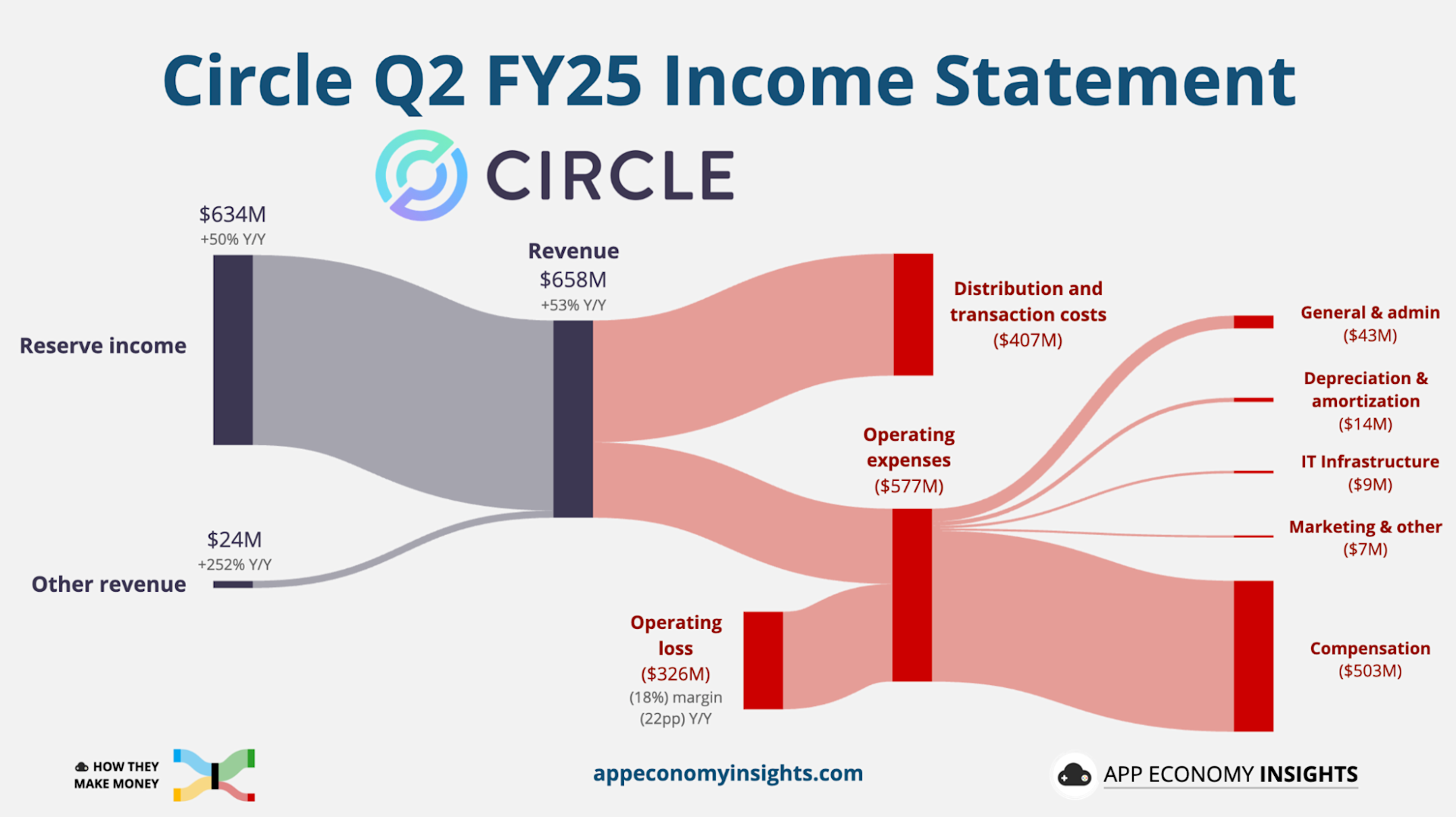
Regulatory clarity also plays a role. USDC is issued by Circle, a regulated financial institution that publishes monthly attestation reports. This transparency reassures landlords who are wary of "wild west" crypto projects. It’s not just about technology; it’s about knowing the asset is backed by real reserves and complies with financial standards.
The Settlement Bridge Infrastructure
Tenants pay in USDC, but landlords receive dollars. This separation is the core of the infrastructure, handled by regulated fiat settlement bridges. These bridges act as the intermediary layer, converting stablecoin payments into traditional bank transfers. Without this step, landlords would face significant hurdles in managing crypto assets directly.
The bridge process begins when a tenant submits a rent payment in USDC on a supported blockchain. The payment processor receives the transaction and verifies its validity. Once confirmed, the processor initiates an immediate conversion of the USDC to fiat currency through regulated exchange partners. This conversion happens in real-time, ensuring the landlord receives the exact amount due in their local currency.
For landlords, this setup eliminates the volatility risk associated with holding cryptocurrency. The funds land directly in their existing bank accounts, just like a standard ACH or wire transfer. This means no need to set up crypto wallets, manage private keys, or deal with complex tax reporting for digital assets. The bridge handles the compliance and regulatory heavy lifting, including KYC (Know Your Customer) and AML (Anti-Money Laundering) checks on the tenant side.
USDC Volume on Major Chains
Liquidity depth is critical for these bridges to operate efficiently. High volume on major chains ensures that conversions happen instantly without slippage. The chart below shows the trading volume of USDC across key networks, indicating where the most liquidity resides for seamless settlements.
Why This Matters for Property Managers
The infrastructure is designed to be invisible to the end user. Landlords see a standard deposit; tenants see a crypto transaction. The complexity of blockchain technology is abstracted away by the bridge. This allows property managers to offer modern payment options without disrupting their current accounting workflows. It bridges the gap between Web3 payments and Web2 banking, making crypto rent payments a practical reality for 2026.
Cost comparison: Credit cards vs USDC
Paying rent with a credit card is convenient, but the processing fees add up quickly. Most third-party payment platforms charge landlords or tenants between 2.5% and 3% per transaction. On a $2,000 monthly rent, that is $50 to $60 lost to intermediaries every month—$600 to $720 annually. USDC sidesteps this entirely by moving value directly on-chain with negligible network fees.
The difference isn't just about avoiding a percentage cut; it's about transparency. With credit cards, the fee structure is often opaque, buried in merchant service agreements or passed directly to the tenant as a "convenience fee." With USDC, you pay the gas fee for the transaction, which is typically a few cents on stablecoin networks like Solana or Polygon, or a few dollars on Ethereum during low congestion. The principal amount arrives intact.
The table below breaks down the real costs for a standard $2,000 monthly rent payment across three common methods.
| Payment Method | Typical Fee | Cost on $2,000 Rent | Annual Cost |
|---|---|---|---|
| Credit Card | 2.5% – 3% | $50 – $60 | $600 – $720 |
| ACH / Bank Transfer | $0 – $10 | $0 – $10 | $0 – $120 |
| USDC (Stablecoin) | ~$0.01 – $0.10 | ~$0.01 – $0.10 | ~$0.12 – $1.20 |
ACH transfers are the cheapest traditional alternative, but they lack the speed and flexibility of crypto. USDC offers near-instant settlement with costs that are effectively zero for most users, especially when using layer-2 networks. For property managers processing multiple units or tenants, these savings compound significantly, making USDC the most efficient infrastructure for rent collection.
Compliance and tax reporting realities
Accepting USDC for rent is not just a tech upgrade; it’s a compliance minefield. In the EU, the Markets in Crypto-Assets (MiCA) regulation sets the baseline for stability and consumer protection. If your payment provider isn’t MiCA compliant, you risk exposing your property management business to regulatory friction, especially when dealing with tenants who expect stable, regulated fiat settlement.
In the US, the IRS treats crypto transactions as property. Every time a tenant pays rent in USDC, it’s a taxable event for both parties unless handled through a regulated bridge that settles in fiat. This means you need to track the fair market value at the time of payment. Without proper infrastructure, you could end up with a mountain of 1099s and K-1s to manage manually.
The key is to use a regulated fiat settlement bridge. These services convert USDC to USD (or EUR) instantly, handling the tax reporting side so you receive a clean bank deposit. This removes the burden of tracking crypto price fluctuations and simplifies your accounting. Always verify that your provider offers clear tax documentation to avoid surprises during audit season.
Setting up your first USDC payment rail
Implementing a USDC rent payment system requires a structured approach to ensure compliance and smooth tenant onboarding. The goal is to establish a reliable infrastructure that settles funds in fiat while accepting stablecoins, minimizing friction for both property managers and residents.

Identify a payment processor that offers regulated fiat settlement bridges. Platforms like UrbanPay or Mural Pay connect directly to your existing accounting software, ensuring that USDC payments are converted to USD or EUR for your bank account. Verify that the provider complies with regional regulations, such as MiCA in Europe, to avoid legal complications.
Connect the chosen provider to your property management platform. Most modern solutions offer API integrations that sync with tools like AppFolio or Buildium. This step ensures that lease agreements automatically reflect the option to pay in USDC and that rent ledgers update in real time as transactions clear on the blockchain.
Set up the digital wallet connection process for your residents. Since most tenants do not hold USDC initially, enable options for them to purchase stablecoins directly through the payment portal using a credit card or bank transfer. This "on-ramp" feature is critical for adoption, as it removes the barrier of requiring tenants to navigate external exchanges.
Before going live, conduct end-to-end testing with a small group of staff or friendly tenants. Verify that the payment triggers the correct lease credit, that the fiat settlement reaches your bank account within the expected timeframe, and that receipts are generated accurately. This step prevents revenue recognition errors during the first billing cycle.
Once the rail is active, monitor the first few transactions closely to ensure the exchange rates and settlement times meet your expectations. Most providers offer dashboard analytics to help you track volume and success rates as you scale this payment method across your portfolio.
Helpful gear
Use these product recommendations as a starting point, then choose the size, material, and price point that fit how you actually use the gear.

As an Amazon Associate, we may earn from qualifying purchases.
No comments yet. Be the first to share your thoughts!