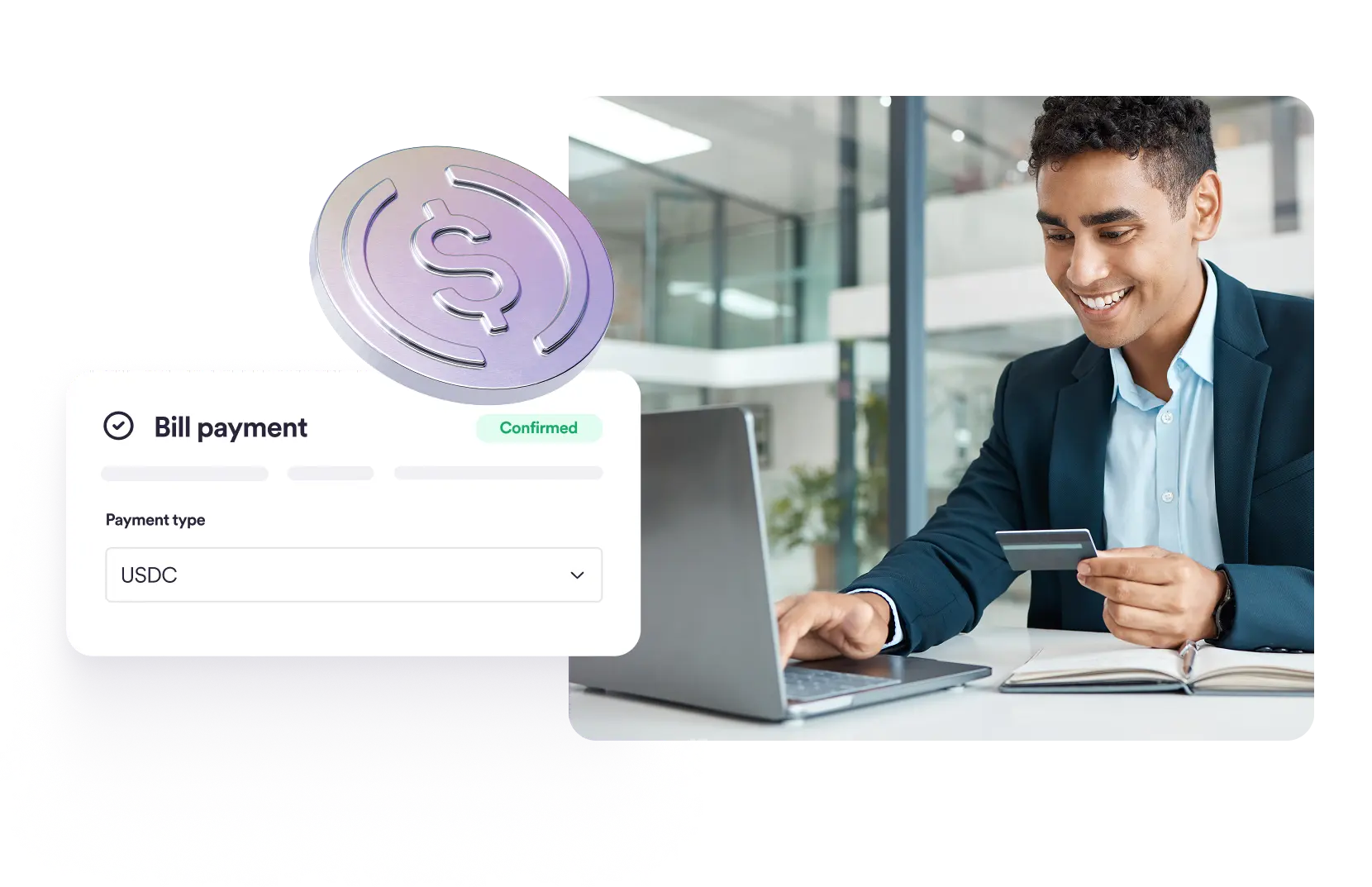
The stability of USDC in the current market
Before looking at the specific infrastructure for paying rent with USDC, we need to establish why this stablecoin is the foundation of the current market. Unlike volatile assets, USDC is designed to maintain a tight peg to the US dollar, providing the predictable value necessary for recurring obligations like housing.
The reliability of this system hinges on liquidity and transparency. Circle, the issuer of USDC, publishes monthly attestation reports from independent accounting firms, verifying that every token in circulation is backed one-to-one by cash and short-dated US Treasuries. This structure distinguishes it from algorithmic stablecoins that have collapsed under pressure. For renters and landlords, this means the asset retains its purchasing power without the wild swings seen in Bitcoin or Ethereum.
Market data confirms this stability. While broader crypto markets fluctuate, USDC/USD has remained remarkably flat, typically trading within a fraction of a cent of its $1.00 target. This consistency is what makes it suitable for "Rent With USDC infrastructure," allowing parties to transact without immediate hedging strategies.
This peg stability is not just theoretical; it is reflected in daily trading volumes and redemption rates. When users convert USDC back to fiat, the process is straightforward, ensuring that the asset functions as intended: a digital dollar. This reliability reduces the friction for landlords who need to pay mortgages or vendors in traditional currency, bridging the gap between crypto holdings and real-world expenses.
Settlement rails for landlords
Accepting USDC rent is straightforward for the tenant, but the landlord needs a reliable bridge to convert that digital token into spendable cash. Without this infrastructure, you are holding a volatile or restricted asset rather than receiving payment. The settlement rail is the technical and operational layer that moves value from the blockchain into your bank account.
Most modern platforms act as regulated fiat settlement bridges. They accept USDC on-chain, handle the necessary compliance checks, and push fiat to your connected bank account. This process effectively neutralizes the volatility risk of holding crypto while keeping the transaction speed and low fees of the blockchain. You are not trading crypto; you are using crypto as a payment method.
Choosing the right rail depends on your tolerance for fees, settlement speed, and compliance requirements. Below is a comparison of the primary settlement options available to property managers in 2026.
| Provider Type | Typical Fee | Settlement Speed | Compliance Load |
|---|---|---|---|
| Direct Bank API | $0.50–$1.50 per tx | 1–2 business days | Low (KYC handled by bank) |
| Dedicated Crypto Pay Processor | 1.5%–2.5% | Same day or instant | Medium (Platform handles AML) |
| Self-Custody Bridge | Network gas + withdrawal fee | Variable (hours to days) | High (Landlord handles all tax/reporting) |
The direct bank API route, often provided by traditional fintechs, offers the lowest friction for landlords who want to stay within the familiar banking ecosystem. Fees are minimal, and the compliance burden is largely offloaded to the bank. However, these rails can sometimes be slower during high-volume periods or weekends.
Dedicated crypto payment processors offer faster settlement, often same-day, which is critical for cash-flow management. They handle the anti-money laundering (AML) checks and MiCA compliance, allowing you to focus on property management rather than regulatory paperwork. The trade-off is a slightly higher percentage fee per transaction.
Self-custody bridges require you to manage the private keys and manually convert assets. This approach offers the most control but shifts the entire compliance and tax reporting burden to you. For most landlords, using a regulated processor is the safer and more efficient path to stable fiat income.


As an Amazon Associate, we may earn from qualifying purchases.
Compliance and tax implications
Use this section to make the Rent With USDC Infrastructure decision easier to compare in real life, not just on paper. Start with the reader's actual constraint, then separate must-have requirements from details that are merely nice to have. A practical choice should survive normal use, maintenance, timing, and budget. If a recommendation only works in an ideal situation, call that out plainly and give the reader a fallback path.
The simplest way to use this section is to write down the must-have criteria first, then compare each option against those criteria before weighing nice-to-have features.
Adoption trends and user experience
Use this section to make the Rent With USDC Infrastructure decision easier to compare in real life, not just on paper. Start with the reader's actual constraint, then separate must-have requirements from details that are merely nice to have. A practical choice should survive normal use, maintenance, timing, and budget. If a recommendation only works in an ideal situation, call that out plainly and give the reader a fallback path.
The simplest way to use this section is to write down the must-have criteria first, then compare each option against those criteria before weighing nice-to-have features.
Key takeaways for market participants
The Rent With USDC infrastructure is shifting from a novelty to a standard operational layer for property management. For landlords, the primary advantage is instant liquidity and predictable cash flow without the friction of traditional bank clearing times. Tenants benefit from lower transaction costs and the ability to move capital that has already appreciated or earned yield in DeFi protocols. This creates a circular economy where money moves faster than the underlying settlement rails.
However, this efficiency comes with distinct risks that stakeholders must manage. The reliance on stablecoin infrastructure introduces smart contract risk, even if USDC is widely regarded as the most compliant option available. Also, the tax implications of receiving crypto assets can be complex, requiring robust accounting practices that many traditional property managers lack. The regulatory landscape, particularly under frameworks like MiCA, is becoming clearer, but local enforcement varies significantly.
Success in this market requires a hybrid approach. Most participants are adopting a self-custodial to fiat settlement bridge to mitigate volatility and ensure compliance with local landlord-tenant laws. This method allows landlords to hold USDC for operational flexibility while settling expenses in traditional currency. It is not just about accepting payment; it is about integrating a new financial layer into an existing business model.
To navigate this transition effectively, property managers should focus on education and security. Understanding the technical aspects of USDC transfers is no longer optional. As the market matures, those who integrate these systems early will find themselves at a competitive advantage in attracting tech-savvy tenants and optimizing their treasury management.
Questions about USDC safety and yields
Renting with USDC infrastructure relies on trust in both the asset and the platform holding it. USDC is issued by Circle, which publishes monthly attestation reports confirming that reserves are held in cash and short-term U.S. Treasuries. While not FDIC-insured, this transparency makes it one of the most regulated stablecoins available.
Interest rates on USDC vary significantly by platform. Some services offer high yields, such as the 8.75% APY mentioned in recent user reports, but these often come with lock-up periods or higher risk profiles. Always verify the source of the yield; if it seems too good to be true, the underlying asset may not be as stable as claimed.
No comments yet. Be the first to share your thoughts!